I am a horticulturist, writer and photographer who lives on Tamborine Mountain, one of the world's beautiful places to live with plenty of sunshine, good rainfall, moderate temperatures, lush rainforest, splendid views of both the ocean to the east and the mountains to the west. I love writing about the place in which I live, in all its moods and seasons. Besides gardening I love good literature and poetry, bushwalking, birdwatching, history, Japanese language and culture, and music of several kinds.
Though Kenya is famous for its wild game the island of Mombasa has always been rather poorly equipped with wildlife, if you exclude marine creatures. Mongooses were plentiful, and birds and reptiles but no antelope or elephant or zebra and certainly no large feline predators.
Until, that is, the Day of the Leopard. Or, to be more correct, a couple of weeks of The Leopard because once, a long time ago, a rumour went racing round the island that a leopard had crossed from the mainland and was on the prowl. I can’t exactly remember the year but it was possibly 1959 or 1960, and I missed all the excitement because I was at boarding school in Nairobi.
*
Africans on their way home at night reported a large, spotted cat – a chui for sure, glimpsed slinking through gardens or following them at a discreet but still nerve-wracking distance. An Indian shopkeeper thought he saw the same creature skulking about when he was emptying some food bins one night. Soon sightings were coming from all parts of the island and these gained credence among the scoffers – such as my father – when pug marks were found in the grounds of the Church of England cathedral. The protestants of Mombasa considered this a definite triumph over the Papists down the other end of Fort Jesus Road and some wag suggested that the Provost of the Cathedral (not sure if it was still Rex Jupp at that time) buy himself a rifle! The pug marks were identified, by those who knew how, as being definitely those of a leopard.
After that the search was on, but the leopard proved elusive which, consider how crowded was our little island, without a lot of natural bush left upon it, is a tribute to the ability of big cats to conceal themselves from human view. We were not, in fact, particularly frightened of this particular big cat because leopards were not known to attack humans unless seriously provoked. However, a leopard is still a formidably strong and well-armed animal and who knew what it might do if it became hungry enough. Children were warned not to wander too far and dogs were kept indoors at night. As it was, any dogs that disappeared at that time were considered to have become leopard food and a couple of gung ho types actually sat up at night with native pi-dogs bought especially for the purpose and tied up as bait nearby, until the RSPCA put a stop to it. Men – European men at least – seemed to consider the whole thing a good joke but women and Africans – who were of course less-securely housed and more likely to be out on foot at night – were frightened. Indians were frightened too or at least the man behind the counter of our grocer, Beliram Parimal was, because, as he told us, “leopard is terrible man-eater”. In India, said my father, that’s quite true, for there leopard are larger than ours and also seem to be fiercer. He was a great fan of the books of the Indian hunter Jim Corbett, whose brother lived at Bamburi, and had not long since read The Man-eating Leopard of Rudraprayag. Unfortunately others in Mombasa had read this book too, borrowed from the British Council Library at Tudor, which probably helped fuel the general hysteria.
Leopard were, of course, quite common on the mainland wherever there was heavy forest. I myself saw them a few times – one on the roof of a cottage at Jadini Hotel, one crossing the road not far south of Malindi. When calves were taken at Kilifi Plantations a leopard was the suspected culprit and when I lived at Port Reitz my servants were afraid to walk home after dark because leopard were often seen in the vicinity. But a leopard on Mombasa Island would have to have either crossed the causeway, or Nyali Bridge, or swum across Tudor Creek or possibly the lower mangrove reaches of Kilindini Harbour. Suggestions that it might have crossed on the ferry from Likoni were generally disregarded! It all seemed so unlikely and even the reported pug prints in the church ground were regarded with suspicion by some – Mombasa was never short in those days of young practical jokers and some still remember the night a few of us drove all over Nyali pulling out name posts (remember those?) and swapping them around to confuse home owners and visitors. And then, suddenly, the leopard did something quite unexpected.
We lived in Kizingo Road and not far from us was a collection of small, cheap, thatched houses known collectively as “the bandas” and inhabited by the lower-ranking white local government employees. Among them was a woman I shall call simply “Mrs R”. She was married to a mechanic employed in the council workshops and her Lancashire origins were very obvious in an accent so broad that those of us who spoke “home counties” English could barely understand her – and thus she was much imitated behind her back. For Mrs R was not popular. She nagged her husband, gossiped spitefully about her neighbours, had few friends and was feared not only for her uncompromising opinions, loudly expressed in that harsh accent, but for her constant trouble-making. She was particularly unpopular with the neighbourhood children because, childless herself, she was always shouting at us to stay well clear of her house and garden and “keep roody noise daown”. I may be libelling the poor woman who has been dead many years now and thus unable to defend herself – but this is the way I (and others) remember her.
Mrs R was of that type and class – fortunately a tiny minority in Kenya – who went out to Africa purely for the job – and perhaps the sun – and appeared to get very little out of it. They never learned Swahili, never went into the bush or even a game park, never in fact stirred very far from their government-supplied house. They lived frugally in order to save to go “home” one day and buy a small bungalow at somewhere like Hove. They employed only one servant to do everything and as their houses usually contained little besides the basic PWD furniture this little was not much. In fact they feared and despised Africans and were, in turn, despised by those who did work for them and who preferred their bwanas and memsaabs to not interfere in the kitchen or lock up the pantry or dole out groceries with parsimony.
Mrs R was a case in point – she had a succession of servants from tribes who did not take well to domestic service and she treated them with rudeness and suspicion. Worse, she raised her voice to them in a way that other memsaabs would consider ill-bred as well as likely to be counter-productive. Possibly she did this because she had never bothered to learn any Swahili and believed, in true British fashion, that the only way to get a foreigner to understand you was to shout at them. Again, I am being rather harsh, and more than a teeny bit snobbish! But that’s the way it was. People like Mrs R never felt any kind of affinity with Africa, never felt the deep love felt by the rest of us, never tried to understand it, longed always for the day when she could finally return “home”. Where, no doubt, she would bore her friends and relatives with tales of her glory days as a memsaab. And people like Mrs R never took any interest in wildlife nor learned to tell one animal from another.
Ironic, therefore, that it was to Mrs R that the Mombasa leopard made its most famous appearance. According to two close neighbours, they were awakened late one night by a scream and a terrified voice calling out “Wilf, Wilf, it be taiger! It be taiger!”. When they rushed outside they realised the voice they were hearing was that of Mrs R, emanating from the conjugal bedroom. “Wilf, wake up!” she called. “It be taiger!”.
The way it was reported to me (and to many around the neighbourhood) Mrs R had been lying awake in bed when she saw a large, spotted, bewhiskered face peering right in her bedroom window. “When I realised what t’thing was,” she confided to my mother, “I were raight terrified”. Mrs R might not have known her animals but she did know a big cat when she saw one in her window, and had then woken up her sleeping husband. Loudly enough so that every one else in the neighbourhood (the bandas were very close together) could hear. The Story of Mrs R and the “taiger” winged its way round the island next day and she may well not have been believed except…that one of the neighbours who rushed to her aid reported later that his dog, an Alsatian known for its savage nature, had cowered whimpering at his side. And…the clincher…several pug marks of an unmistakable leopard nature were found in the soft sand of the garden bed outside Mr and Mrs R’s window.
The search was intensified but though expert trackers were brought in they found it difficult to find a trail through the little roads and gardens large and small that comprised the area between Kizingo Road, Prince Charles Street (as it was then) and Ras Serani Drive. However a couple of days later an African wandering under a baobab tree not far from the Likoni Ferry looked up and got the fright of his life, for there, draped nonchalantly over a branch, was the leopard. I got a fright too, when I heard about it, as did some of my friends, because this tree was a favourite play spot of ours and we’d even built a small cubby house in its thick, protective branches. The big cat was then captured, caged and (I think) released on the mainland. Nobody ever knew, conclusively, how it had got on the island, let alone why. The rumour mill ground out theories by the day – it had been brought on to the island deliberately as a joke; it was an escaped pet; it had escaped from one of Carr-Hartley’s zoo shipments at the port. The first might just possibly be true, albeit unlikely, the other two were obviously ridiculous because any escape would have been reported. And you don’t keep a large creature like a leopard in your home without friends and neighbours knowing about it…I’m just repeating this now to show how so many people don’t bother to think before they theorise!
We kids, of course, happily believed all the rumours in turn and even came up with a few of our own. One, I remember, was that the leopard (we always thought of it as “he”) would for sure have had a mate somewhere who would look for him everywhere and, through starvation and revenge, would prey on those who had taken him. Which shows that, back then, we knew little more about the habits of leopards than did poor Mrs R!
A Baobab tree, found all over eastern Kenya in the dry nyika country between the Nairobi uplands and the coast. Mombasa island was covered in them and legend had it that under each one was an Arab soldier, slain during the wars with the Portuguese who occupied Mombasa for a while. Baobabs are useful trees; the fruit is edible (though not particularly palatable) and a good substitute for cream-of-tartar, birds and other wildlife find refuge in the branches, some people even made temporary homes in them and we kids made cubby houses in them. We had a big specimen in our garden and I (with help from our gardener) made a snug little refuge there, impregnable to my ayah and most adults but not, alas, to my agile father!
Our cook, Mboji, was, by Kenya standards, better than average at his job.
There is a tendency today among the ci devant bwanas and memsaabs to eulogise the skills of the cooks of their youth, and to remember the meals they prepared more fondly than is warranted. The truth is, we ate very plainly in those days, at best, and very badly indeed, at worst.
My parents were both rather keen on their food and demanded a reasonably high standard of their cook. By “reasonably” I mean that meat should be tender or at least chewable and cooked to the right degree, neither overcooked in the case of beef nor undercooked in the case of pork. Vegetables should not be boiled to a fare-thee-well. Custard should not be lumpy. A cook should have a reasonable repertoire of recipes, be prepared to try new things and have some understanding of how to creatively use condiments and spices.
Mboji met those standards, which was more than could be said for the mpishis employed by some of my parents’ friends. Down the road lived my friend Irene, whose mother was not very interested in housekeeping and whose father knew better than to protest. They employed a truly awful cook. His idea of that perennial nursery favourite of our youth, macaroni cheese, was to use spaghetti instead of the more usual macaroni, cover it in a lumpy cheese sauce and then bake it in an oven until it dried out to the consistency of a pudding, with the pasta all crisp and crackly. We’d pour HP sauce all over this and I, for one, used to think it yummy and be very happy to be invited down for supper on a Sunday evening (as with most people we knew, they had dinner on six nights a week but a light lunch – usually out somewhere – on Sundays and “supper” in the evening). My mother, however, ate it once and could never be persuaded to do so again. This cook also used to do a “curry” every Saturday which, like most Kenya curries served in European households was a stew with curry powder added. I liked this a lot because it had potatoes in it, which Mboji’s curries did not have. Mboji, in fact, made a pretty good curry. I say this after years of learning about and cooking Indian food. His curries would not have passed muster in an Indian household but at least he used fresh spices and authentic condiments and they bore an acceptable resemblance to the real thing, especially his prawn pulao. Mboji did not believe in putting potatoes in a curry. He would serve them as a side dish, cooked in ghee with appropriate spices.
I had another girlfriend, Ann, who lived across the road, and she also had a mother who was not interested in housekeeping. In fact this woman had no interest in her family at all and, in my memory, was rarely home. I shan’t mention her name here because she was very well-known in the Mombasa of the late fifties and early sixties. Her husband did something obscure in the PWD and they were rarely seen about together. Their bungalow was dreary beyond belief, furnished only with the ugly PWD furniture common to many Kenya houses back then. My mother would have had cheerful covers made for the furniture and put vases of flowers everywhere but in this home there were few books or ornaments; no pictures on the wall except a calendar; no comforts anywhere. The bedrooms were bleak and barely furnished beyond a couple of iron beds in each. I stayed the night there once, as girls do even though they are only a stone’s throw from home, and hated it. Even though I wasn’t much concerned with comfort and decor at that age and thought my own parents rather finicky because one couldn’t drop food on the floor or put your feet on the furniture in our house.
In my friend’s house, the cook-cum-houseboy (they only had one servant; how odd we thought that!) was worse than awful. He barely cooked at all but seemed to be employed merely to throw an occasional broom around the painted concrete floor (no rugs) and open a can. Every time I ate there, we had baked beans on toast. Now this was a popular dish in our house, too, at least for my brother and I who were of course fed separately in the evening from our parents (at least until we were in our teens). These suppers consisted mainly of baked beans on toast, sardines on toast, tinned spaghetti on toast, cheese on toast and scrambled egg on toast. We did sometimes have other things – I remember tinned salmon salad and also tinned corned beef (which we called “potted human”) and salad. But it’s the somethings-on-toast I remember because these were our favourites and, like most kids, we detested salad.
Ann’s family cook, however, rarely seemed to adventure beyond the baked bean for the evening meal and they didn’t always have a hot lunch, either. The mother, a career woman, ate out a lot, and the rest of the family survived on tinned stuff and the occasional flavourless stew or – when spoiling themselves – a leathery roast topside or chicken.
So I was considered very lucky by some of my friends and my home a haven of comfort, with good meals and well-trained servants. They loved to come and stay over, or just have a meal, and my mother – and Mboji – were always happy to lay an extra place at the table.
When I look back, our meals were very simple. The delicacies we take for granted today were just not available to most of us in those days, or cost too much for the average household. Meat was abundant and cheap but usually of poor quality and tough. I remember Ginger Bell’s butchery in Mombasa, where the carcases used to hang overhead, so that I would avert my eyes when buying meat there, which I did when I grew up and had a home of my own to run. He was a good butcher but the quality of the meat, while flavoursome, was not what we would tolerate today. Every week Mboji used to order a large piece of topside and this was roasted on Monday and served with roast potatoes and usually fresh carrots and tinned (later frozen,) peas. Fresh peas, like so many other “English” vegetables, were difficult and mostlyimpossible to get in Mombasa. Cabbage was rare and cauliflower almost unknown. My parents used to reminisce happily about the brussels sprouts and parsnips of England, which were only well-flavoured if they’d “had the frost on them” . As neither of my parents knew anything about horticulture and had never grown a vegetable in their lives, I doubt they really understood what this meant, but I remember them saying the same about “new” potatoes.
Back to the beef – this was our standard weekly fare. On Tuesdays we had cold beef with salad and boiled potatoes. On Wednesdays it was served as shepherd’s pie. Thursdays were a bit exciting because this was Mboji’s day for spontaneous creativity and we never knew what we’d get, though it was always delicious. I remember the remains of the joint being cut into thick slices and recooked in the oven in a casserole dish, with a flavoured sauce made from tinned tomatoes and onions poured over it. Or chopped into a tasty hash and served with rice. Friday’s meal was often fish, not because we were Roman Catholic but because it fitted in with all the other meals. Fresh fish of course was freely available in Mombasa, from the markets, but when frozen food became available we used to have Tilapia from Lake Victoria, packaged and frozen by Tufmac. It seems wicked now that with all the parrot fish and kingfish in the sea at our door, we ate frozen fish! But so we did sometimes, served either grilled or in a mornay sauce. We never had it fried – for fish and chips we went to the Rocco fish bar in Kilindini Road and either ate it there or brought it home wrapped in newspaper. That was often a Sunday night supper and we considered it a great treat.
Saturdays my parents either entertained or ate out. When entertaining, the meal would usually be soup, then something with prawns and/or fresh fish, followed by a roast of pork. Pork was a great treat then, brought down from up-country. If my parents were REALLY putting on the dog we had a leg or saddle of Molo lamb. Sundays were always less structured in our household, due to it being Mboji’s day off. Mukiti, our houseboy, used to do the honours instead but he could only cook a bit and in any case we usually went to the beach for the day. Either to picnic, when we children were small or, when we grew up, to lunch at one of the beach hotels. The Sunday evening meal was always quiche, which we called egg-and-bacon pie back then, or, as stated, fish and chips or a takeaway curry from town. But Saturdays live on in my memory as the special day of the week for meals. Of course, we children didn’t take part in the dinner parties when we were small and were given the usual early supper – but on Saturdays we got a treat. This was usually sausages, but not any old sausages. These were Walls skinless sausages and we adored them! My father did too so we sometimes got sausages on other days too – but usually they were a Saturday night treat for the kids.
Best of all, though, were those rare Saturdays when my parents were neither going out nor entertaining. We usually had a curry then, with all the trimmings. Or else we had Mboji’s signature dish – roast chicken. My father maintained to the day he died that Mboji’s roast chicken was the best in the world and it, too, was served with all the trimmings – bacon on the top, roast potatoes, assorted vegies, sage and onion stuffing (from a packet) bread sauce (home-made the traditional way) and gravy. We sometimes ate chicken in other ways; in curries for example, or a casserole. These were the tough village birds that were brought live to the house, purchased after much argument with the sellers by Mboji, and then killed by Kaola our garden “boy” under the Neem tree near the kitchen door. When we had roast chicken, though, the bird was especially purchased from our grocers, Beliram Parimal, and for a higher price that guaranteed it to be tender and succulent. The comparatively high cost is what made it a treat for special days.
The smell of that chicken roasting had us salivating all morning as it drifted right through the house and across the garden. To this day it remains my favourite dish, even in this age of TV superchefs and cooking contests and sundried tomatoes and aioli and truffle oil. Mboji, dressed in his spotless white uniform and beaming with pride, would bear in his kuku on a large platter, and we would all murmur with delight and anticipation. Visitors (for we sometimes had close friends or casual visitors to lunch on Saturdays) would be similarly impressed by the sight of this glistening, golden brown bird on its big white plate. Few other homes in Mombasa, we smugly believed, could boast such a bird – or such a cook. My father would carve with ceremony, legs for the children, breast for the adults, the parson’s nose (for some reason considered a delicacy) retained for himself. I longed for the white breast meat but knew it as a right of passage that one day I, too, would be serving up such a bird and would be able to eat whichever part of it I liked!
Mboji worked for us for many years, but not without a brief hiatus. He was a Taita, from near Voi, so was able to get back to his family often, apart from the usual two weeks holiday a year. We had quite large servants’ quarters and the wife and two small girls came down to live with us from time to time, but Mboji preferred them back in the village tending to the family plot. He seemed always to get on very well with our other servants, who were Wakamba, but perhaps he was lonely because though in all ways clean, cheerful, competent and decently-behaved he did occasionally go on a bender and my father would be called in the middle of the night to go and bail him out of the local clink. For the next few days he would skulk about the kitchen, reddened eyes lowered in shame, having assured my father he would never disgrace us all again. But of course he did, though never more than once a year. One year, however, when my father’s responsibilities for the finances of the province were weighing heavy, he received the familiar call in the middle of the night and THIS time he refused to go. Instead, he left Mboji to enjoy Kingi Georgi’s hospitality for another day before paying the fine, and then he sacked him. We were all very shocked and my mother was livid; where, she said, in the tones of The Mikado’s Kadisha, Will I Get Another?! But my father would not be moved and the household went into a sort of subdued mourning because Mboji was, to us, part of the family and we missed him. We also had to make do with Mukiti’s cooking for a few days, with some necessary but reluctant assistance from my mother.
Then, with as much self-assurance as an angel sent from Heaven, Andrea appeared. He was from the Congo, of some tribe unknown to us, and spoke French as well as a very correct Swahili in a strange accent. He came to us by way of a friend of a friend, and was said to have worked for the French Ambassador in Nairobi, or at least for a Frenchman of high standing in the colony. Certainly he had impressive references. My father took him on at once and our mealtimes were transformed! Andrea was not just a cook, he was a CHEF par excellence. His cassoulet was a poem, his casseroles sublime. His pastry was perfect and for afternoon tea we got éclairs instead of scones; tortes instead of Victoria sandwich or fruitcake. And as for his soufflés…well…let me just say that I have never tasted anything so light and perfect since – certainly I have never myself quite managed to attain that standard. My mother was in ecstasy and her reputation as a hostess shot up to new heights. To be invited to our place and eat Andrea’s cooking was considered a great privilege. My mother reviewed her entertainment schedule and decided she could risk bigger and bolder dinner parties. Andrea responded to this with great enthusiasm, helping her plan wonderfully exotic menus, giving her new ideas that her simple English (well, and Italian too) soul had never dreamed of, telling her of a fine foods emporium in Nairobi that imported cheeses from France, at a cost. For the first time we tasted brie and camembert. It is not an exaggeration to say that our family was the envy of Mombasa – or at least the European section of it.
Oh, and Andrea could do a pretty good roast, too. True, it had flourishes that were strange to us. Gone was the familiar weekly joint of topside, replaced by sirloin served very rare. Lamb, too, that most precious of meats, was served up gigot in style and rather more rare than my father liked. Pork, for some reason, Andrea despised. And yes, he could (at our request) roast a chicken. And a very fine chicken dinner it was, too. And yet, as my father used to say, it was not QUITE as good as Mboji’s. My mother vigorously denied it but secretly we kids agreed with our father. Maybe it was the garlic, which though not entirely strange to us was nonetheless used sparingly in our household. Maybe it was the exotic stuffing – chestnut puree, celery and walnut – that took the place of the dear old packet sage and onion. Maybe it was the lack of bread sauce, which Andrea did not know and refused to make when it was explained to him.
We children, too, benefitted a bit from Andrea’s haute cuisine though he made it obvious he was not frightfully keen on wasting his talents on the nursery supper table. Gone were the baked beans (le baked bean! Quel horreur!) and the tinned sardines. Instead we got eggs scrambled in orange juice or poached over spinach (which we hated). Sardines were served rather deliciously in a baked dish over potatoes, which we loved.
There was, sad to say, a definite downside to all this culinary euphoria. Andrea, like all great chefs, was temperamental to a fault. He despised the other servants and bossed them around in a tone as deadly as a cobra. In fact he despised our whole household and made it clear he was accustomed to better things, like some Upstairs, Downstairs butler who finds himself forced to work for a socially inferior family. He launched into furious tirades which went right over my mother’s head; for one thing she was rarely around to hear them and, when she was, dismissed them airily as “temperament”; understanding neither French nor much of Andrea’s high-flown up-country kiSwahili she really had no idea what he was going on about. She continued to be his champion, despite the fact that he was always criticising the kitchen and bullying her into buying expensive culinary gadgets that had to be purchased in Nairobi or even from overseas. I remember an omelette pan that had to be ordered from Johannesburg.
Andrea was also rather fond of fitina – ever ready with a complaint. These were generally about the other servants or we children, especially myself. He was quite gentle with my often-sickly brother but found my rambunctious tomboyish ways not at all to his taste. He particularly disliked me going into the kitchen and helping myself to cheese from the ‘frig, or sitting on the back stoep and chatting with Kaola, who was a great friend and occasional companion in adventure. Andrea’s complaints were made to my father, generally when he came home from the office at lunchtime, and always began with: “Ah Bwana, shauri kidogo….”. My father learned to dread these complaints which always led to unpleasant confrontations with either his staff or his children. In any case, after a short honeymoon period of fabulous feasting, he was not quite so keen as the rest of us on our new cook. My father liked French food well enough, in a restaurant, but at home he preferred plainer English fare. Also, Andrea (who had demanded, and got, higher wages than Mboji and probably any other cook in Mombasa at that time) was proving very expensive. The grocery bill had shot up and there were always extras being brought in from elsewhere. My mother did not like to rein in Andrea’s enthusiasm because he sulked if thwarted and implied that no hostess of HIS wide experience would quibble about such bagatelles as the cost of importing pate de foie gras direct from France – or at least from Leopoldville!
Certainly we were eating well, but our formerly happy household was becoming a place of strife. The servants were grumpy, we children were constantly being chastised, my father was irritated and even my mother was becoming increasingly anxious. Over it all presided Andrea; tall, thin, supercilious and constantly critical. Then, after some months of this, my grandmother arrived to stay. Andrea, though he would not have thought it when he first encountered this small, apparently insignificant woman, had met his match.
My grandmother’s visits were regarded with apprehension by all the household, except myself who unreservedly loved her. Days before her arrival Mboji and the rest would be scrubbing the kitchen from top to bottom and turning out the cupboards. Our kitchens were plain places then and not at all like the fancy “hostess” kitchens of today. Usually they were furnished with a large wooden table, a stainless steel sink and draining board, a white electric stove/oven with two round and one rectangular hot plates, a meat safe, a charcoal water-purifier on a stand, and a few dingy cupboards painted pale green or cream or possibly a combination of both. There would be a large pantry in one corner and a scullery near the back door. It was a room for preparing food, without pretension. No decor to speak of except a fly paper hanging from the ceiling, and a generally inadequate single-bulb light either naked or with a plain shade. This somewhat dreary part of the house was the cook’s fiefdom and memsaabs rarely ventured here. My grandmother, however, had an unusually un-memsaab-like preoccupation with hygiene, and was contemptuous of women who never set foot in their own chikoni. How else would you know whether it was being kept clean? How else prevent your family from being poisoned by germs? Our Kamba servants feared her but were accustomed to her ways; she lived near Machakos and spoke quite a bit of Kamba as well as functionally-fluent and often pungent kitchen Swahili, so during her first day or two with us there was always much warm Kamba greeting and exchanges about families and acquaintances back in the Ukumbani – Kenya could be a small country like that and servants that worked for you were often related to those working for members of your own extended family. Nonetheless, however hard our lot had worked to put the kitchen into tiptop shape, Memsaab Susu (as they called her – it means “witch”l) was never satisfied and it all had to be done over again until she was. My mother, considerably irritated by this bald attack on her housekeeping standards, kept well out of the way. Like most memsaabs we knew, she was content to leave her servants alone and not worry too much about what they did with their time, provided they were always there to tend the family as and when required. She liked a comfortable and aesthetically pleasing home but otherwise maintained a benevolent distance.
My grandmother, however, was different. When she’d done with our house she’d go and inspect the servants quarters and they, too, would have to be scrubbed down and disinfected. Servants’ children would be inspected for headlice and ringworm, stern lessons would be given on personal hygiene, hands would be inspected before preparing and serving food to ensure they had been properly washed with yellow Sunlight soap. The smell of Dettol and Jay’s Fluid was everywhere. Worse, my grandmother had an obsession with constipation; the state of our bowels was checked daily and all of us, servants included, were liberally dosed with Milk of Magnesia or Andrew’s Liver Salts.
Mboji and my grandmother had always enjoyed a wary (on his part) but amicable (on both parts) relationship. Though not a Kamba, he was a Taita, which she considered the next best thing. Andrea, however, she detested from the start, and it was reciprocated. Firstly, my grandmother did not appreciate his cooking, which was an insult to his pride so severe as to be almost mortal. For the first time we saw his self-esteem droop when she casually waved away his most tempting dishes. The truth was, though I don’t expect anyone bothered to tell him, that my grandmother rarely ate what my mother would have called “a normal meal”. She had a small appetite and preferred merely to nibble between meals, on cheese and biscuits, fruit, celery and pickles, anything that could be cut into small pieces and eaten anywhere but at the dining table.
When I look back, we ate a lot then, though we were all thin. Breakfast was always eggs cooked in one of several ways, with cereal and juice and toast as well. Kippers, too, when available. Mid-morning snacks were rare, but lunch was always a two-course meal, even if (when we were adults) we also had a full dinner in the evening. This meal was usually served no earlier than 8pm so between lunch and dinner we had afternoon tea at four o’clock, between work (or school) and whatever activities (usually sport) were planned for the late afternoon and evening. This “tea” always consisted of at least one kind of sandwich, biscuits and/or scones and a cake. Children had “supper” at about 6 – 7pm and this, too, was quite substantial; the something-on-toast already mentioned.
My grandmother didn’t bother with any of this, except on high days and special occasions, but stuck mainly to her cheese and bikkies, or the brown bread she bought specially in Nairobi. “I never eat,” she would say grandly and my mother would mutter something like “Well of course she doesn’t ever eat a proper meal, she’s always nibbling between meals.” Mboji used to make up little trays of things he knew my grandmother would like to pick at but often she would go into the kitchen and cut herself some cheese and take an apple from the ‘frig. This infuriated Andrea, who didn’t like memsaabs in his chikoni and had already suffered the indignity of having it cleaned, and himself along with it. For my grandmother was the type of Englishwoman who believed that only the English really understood cleanliness. And I mean the English, not the British, because though she might have accepted the Welsh (she was herself Welsh) and the Scots as practicing suitable standards she was very dubious about the Irish. She certainly had no high opinion of the French as a nation of clean-livers and any African trained by them must in her mind be in need of some strong instruction on the subject of both kitchen and personal hygiene. Domestic espionage was my grandmother’s forte and one day she caught Andrea not washing his hands before making his perfect pastry. Some pithy views were exchanged on both sides. And when my father came home for lunch that day, Andrea was waiting for him with his familiar: “Ah, bwana, shauri kidogo”.
This time he went too far. My father might often have found his mother-in-law irritating but he was not about to have her dissed by a servant. That would indeed have been letting the side down because though he was not a hard employer my father did expect both respect and obedience from those paid to serve us. So he very sharply put Andrea in his place and the latter, not over-endowed with humility, promptly resigned. A short while after he rather sullenly apologised and said he hadn’t meant it, but my father was not one to miss so good an opportunity and remained adamant. My mother was upset but not as much as the rest of us might have expected because even she was getting tired of Andrea’s tantrums and unfavourable comparisons of our household with others for whom he’d worked.
For a few days we had to put up with Mukiti’s efforts once more, and we ate out a lot, or fetched in fish and chips from Rocco’s or Chinese from the Hong Kong Restaurant. Then, in the mysterious way of Africans, Mboji arrived at the back door, asking for his old job back. To say our family was happy is to understate it. We were ecstatic! He must have been gratified by the warmth of our welcome. Of course, he fell off the wagon a few times after that and had to be bailed from gaol, but we put up with itfor the sake of his cheerful face and plain but honest food, and above all his roast chicken.
As I said at the beginning, my father maintained to his dying day that Mboji’s roast chicken was the best in all the world and for him no other, however wonderfully cooked, would do. Of course, he was quite wrong. I make a much better roast chicken than Mboji ever did, partly because I’m a better cook but mainly because chickens today, though perhaps not quite so tasty as those leggy, free range African kukus, are a lot more reliably tender and succulent.
And yet, like so many of my African memories, Mboji’s chicken has become sanctified by time and distance and, as with Proust’s little cake, one sniff of a chook roasting in my own oven and I’m back there in Kizingo Road waiting for our proudly smiling cook to bring his masterpiece to the table.
The sea was sparkling blue beneath the summer skies
And all alone with you I was in paradise
We wandered hand-in-hand, along the golden sand
Into my first love affair
That song was a big hit back in the late fifties when I was at boarding school in Nairobi. It was made famous, I think, by an English singer named Craig Douglas (possibly not his real name; very few English boys were called “Craig” back then); a milkman who had enjoyed a brief flare of fame before sinking back into obscurity. I feel I have a small claim on Craig Douglas because my cousin Susan, who lived (and still lives) on the Isle of Wight knew a girl who went out with him. Presumably while he was still a milkman. His songs, of which I can only remember two (the other is the more famous She Was Only Sixteen), seemed to echo the clopping sound of a milkman doing his horse-drawn rounds, or so my father once commented. Though by the late 1950s I don’t suppose there were many milkmen still driving horses, not even on the Isle of Wight.
For those of us who WERE about sixteen when the bland but boyishly pleasant-looking Douglas (he didn’t smoulder like Cliff or have the cheeky charm of Adam) enjoyed his brief hit-parade success, it was a song for our time and place. I was slightly younger but already well awake to the possibilities of love. It was no accident that Shakespeare made Juliet fourteen; we forget as we age that the most intense love is felt in our teens, when our hormones are most urgent and our emotions untempered by reality.
To live in Mombasa, back then, and walk along one of those endlessly pefect beaches, beside the Indian Ocean which ALWAYS sparkles, hand-in-hand with the boy of our choice (and who had, oh bliss! chosen us) really was paradise enow! True, our sand was white rather than golden, and all the better for that. Our cousins in England, poor pale things, could only enjoy that gold for a brief summer each year, and that fleetingly. Whereas we Kenya kids had our white beaches always there for our delight.
And so, for the teenagers of Mombasa, and those older than us who, for reasons which we found incomprehensible and faintly revolting, still insisted on romance in their lives, the beach was an essential factor in our love affairs. So it was for me, and I still remember those moonlight walks and frenzied gropings in the sand with great affection. But my first love affair was not with a boy – it was with Mombasa itself; the town and the coastlines north and south. Mombasa was the first great love of my life; like all great loves the memory still warms my heart and like all lost loves it haunts me still.
I still remember the day I fell in love. My father had taken up a new post and so we packed up the house in Nairobi and headed for the coast. We were, I remember, all ecstatic about this. Nairobi had come to seem grim with the dark shadow of Mau Mau still upon it. We didn’t doubt that the British Government and the stalwart nature of the settlers on their fortified farms would ultimately prevail over a handful of disaffected and witch-ridden tribesmen but there was nonetheless a strong sense of unease in the European community, sensed even by children at a time when children were seen and not heard and certainly not informed about adult affairs. It is not of course the done thing to say this now, but we felt betrayed by those we considered in our trust and wondered whether we could ever feel safe in that beloved country again. Too, the winds of change were beginning to blow just over the horizon, perceptible to those astute at reading political weather. Terrorism was all but defeated but those of us who thought we had won the battle were soon to find we had lost the war; within a decade we would no longer rule the land and our way of life would be gone forever.
None of this weighed on my small family, however, as we took the red road to the coast. We knew what to expect because we had holidayed at Jadini where the simple thatched banda with its iron beds and primitive bathroom, sited between the jungle and the splendid beach, was all that up-country folk expected of a holiday in those simple times. But to actually live there with the beach forever at the door and the palm trees waving and the warm, moist seawind blowing over the island was unimaginable bliss. Especially after Nairobi which seemed colourless and dreary by comparison.
I should admit here that I never did really care for Nairobi. Most Mombasa people didn’t. Perhaps I associate the Kenya capital with boarding school (which I loathed and where I always felt I’d been exiled from my coastal heartland) and also the earlier period of Mau Mau with its curfews and alarms. Beyond that, however, I always sensed (and still do in memory) a darkness at the heart of the city which Ewart Grogan once described as “that miserable scrap heap of tin”. Of course it had changed a lot since pioneering days and had its revered icons – the Norfolk Hotel, the New Stanley bar, the markets, the game park at its boundary – as well as some fine social and civic developments such as theatres, shops, cinemas and Ledgco. For me, though, there was always a faint sense of depression to be found in the neat suburbs where so many of the houses were built of a grim grey stone, imprisoned by dense hedges of cypress or kai apple. I felt this most keenly on those Sunday afternoons when I was taken out of school on one of the precious exeats by well-meaning aunts who took me to their homes and tried hard to feed and amuse me. The homes all seemed to be filled with a kind of sad Sunday silence . Even the gardens were darkened by overhanging trees which seemed vaguely threatening to me; occasionally leopards were seen in those trees, hunting the suburbs for dogs. Such leopards, the servant of one of my aunts once told me, were really were-creatures and therefore dangerous because they had no fear of people and were particularly fond of the flesh of children. He was a Kikuyu and thus believed strongly in such things and I believed too, because it seemed quite natural that Nairobi would harbor black horrors behind its sombre hedges.
The coast, by contrast, was all lightness and sun and happy glitter. We arrived there as eager new residents after the long drive which at that time was still an adventure. Traffic was low enough that when you passed another car, in a cloud of red dust, everyone waved and sometimes we would stop and exchange news of conditions ahead of us. Animals large and small crossed the road with insouciant frequency; everything from tiny ground squirrels by the dozens to buck and gazelle of various types, zebra and wildebeest on the Athi Plains as far as the scarp above Hunter’s Lodge, then rhino and elephant in the hot lowlands of the nyika. The mandatory stops were Kibwezi and Mtito Andei where there was a passable roadhouse; Voi if you needed fuel or felt you couldn’t go any further.
On this occasion we drove across the Causeway and on to Mombasa Island late in the afternoon, our car covered in red dust that also lay thick and gritty in our eyes and throats. Our first stop was the office of “Uncle” Peter. This was a courtesy title only; he and “Aunt” Kay were friends of my parents and no relation at all but it was common then for children to address close family friends by familial titles. The Japanese do it too, and the Australian aborigines. It’s one of those little social niceties that we have now lost in an age where even very small children call all adults by their given names.
Uncle Peter worked for the government and though I don’t know exactly what he did it must have been reasonably high-ranking because he and Aunt Kay had rather a splendid house on the seafront, next-door-but-one to the Golf Club.
And it was there, sitting outside his office, in the back of our brand-new albeit dusty Morris Oxford, that I fell in love. I remember the moment perfectly, though I can’t remember for the life of me exactly where we were. Somewhere around Treasury Square I should imagine. My father had gone inside to announce our arrival and while he was there I looked up and saw a coconut palm, heavy with fruit, leaning over the pavement. This tree, in all its slender elegance, repeated itself in shadow upon a white wall. And that was it! That’s all it took! Something about the tree and the quality of light and the feel of the air pierced my young heart as surely as Cupid’s arrow and skewered it firmly into the sandy soil of the Kenya coast. Seven decades or so later I remember the moment quite clearly.
We then drove round the seafront where the usual afternoon breeze freshened the humidity. The grass on the golf course was bright green patched by the sandy bunkers. Palms framed the large houses up on the cliff, huge baobabs spread their sparse branches below. The sea was as blue as only the Indian Ocean can be on a fine day. A large ship in the dove grey and red colours of the Union Castle Line lay just off-shore awaiting the services of the small white pilot boat that bobbed over the waves towards it. Apart from one or two cars and a couple of golfers the whole expanse before our delighted eyes was devoid of human activity.
Just think, said Uncle Peter. I can walk out on to that course and play golf whenever I like – it hardly costs a thing.
Could you swim, I wondered? Swimming was new to me and associated with waterholes in the Athi River where you had to watch out for crocodiles.
Not here, said Uncle Peter. It was all coral cliffs and no beach. But you could walk round to the ferry and back one way, or to Fort Jesus and back the other way and hardly see a soul. And there were plenty of good beaches north and south of the island.
I was to do those walks many times, as child and adult. The seafront was to become focal to my life; a place to play in the baobab trees and the ruins of the wartime gun emplacements; to drive around for coolness of a Sunday afternoon and watch the bright-coloured Indian families debouch from their small cars; to buy peanuts in cones of newsprint from vendors pushing small carts; to ramble from end to end while pondering everything from failing relationships to major life-changing decisions; to swim away the school holidays in the Florida pool and, when it became a night club, to dance away the small hours. It was here that my beloved island met the sea head-on; beyond lay a world which, back then, I had absolutely no desire ever to see.
We spent our first night in the Manor Hotel. It was old and a bit fusty, with large and heavy wooden furnishings. My brother and I went to the first sitting for dinner, the only people in the dining room and the only children in the hotel at all. The waiters wore the standard uniform of white kanzu and red fez and served us with the kind, slightly irreverent deference with which African servants treated white children in those days. I remember there were four courses and that we ended with floating puddings which we thought a great novelty. Perhaps, like bread-and-butter pudding, they’ll make a come-back one day and be all the go in fashionable restaurants.
That night we slept for the first time under mosquito nets; these had not been necessary in our Nairobi house and we found them strange and a bit claustrophobic when the hotel ayah tucked us in. Funny to think that for many years after I left Mombasa I was unable to fall asleep easily because I missed the security of a net over me. Large ceiling fans stirred the air, another novelty. My parents, all dressed up to dine, came in to bid us goodnight. Isn’t it exciting?, said my mother looking happier than she had for ages because she was recovering from a serious illness that had left her thin and gaunt and very nervy. I thought it was exciting and knew myself already besotted by this new home, though I couldn’t have put my feeling into words.
Next morning I awoke and saw the sunlight glinting through the heavy shutters and, once again, that already-familiar silhouette of the coconut palm with its fronds gently shivering. The day would be full of new things; a house, a school, a different life. I don’t remember feeling even the tiniest regret for whatever I had left behind. I knew I was home.
In the years after that I came to know my island intimately, even to its furthest and least likely corners. I walked everywhere, to school, to town, to visit friends on the other side of the island. And where I didn’t walk, I cycled. It was nothing to us then to cycle all around the island and across the ferry to the south coast or over the bridge to Nyali. I’ve sailed down Kilindini Harbour and up the further reaches of the creekways beyond Port Reitz where even African fishermen didn’t go. I’ve explored the upper reaches of Tudor Creek, too, in the small and unstable canoe made by my father. There was a world of adventure for children in those places and nobody told us we shouldn’t seek it out, though the waters were full of sharks, especially around the Kenya Meat Commission and the port. I’ve swum across from the old Swimming Club to the Mombasa Club and back and cycled through the African townships and the commercial go-down area at Chamgamwe. I’ve trapped fish in the mangroves along the edge of Mbaraki and explored the forgotten caves near Fort Jesus. I’ve walked to town down Cliff Avenue when the Poinciana trees were in full bloom and wandered the streets of the Arab old town where street vendors were generous to children and old women swathed from head to toe in black bui-buis would scold us and tell us to go home.
Here, the old harbour could be glimpsed through narrow gaps between the pastel houses, busy with dhows in season, a glimpse of an earlier and more romantic epoch. We learned about this time in school; of conflicts up and down the Zinj coast, of Portuguese adventurers and Arab sultans, of slavers and missionaries and the explorers who ventured into the interior for ivory and the renown of discovering the sources of great rivers. The names of Speke and Burton, Grant and Thompson, Krapf and Rebmann were as familiar to us as were the names of Columbus and Magellan and Drake to children elsewhere. There were missionary graves just north of the island and the remains of the old Freretown slave market. Fort Jesus was a stalwart reminder of past battles; the small mosques dotted around the island a reminder that such battles had ended in compromise. We were taught that Mombasa meant “island of war” and Dar es Salaam meant “haven of peace” and that both had been havens for the pirates who sailed the waters from the Horn of Africa to Zanzibar, long before the slavers came.
I absorbed all this as if it was my birthright but strange to tell, when I learned all these things, it did not occur to me that there was anything extraordinary about the place in which I lived. I used to sit in the hot classroom at Mombasa Primary School, head on one hand, and dream of places that I considered truly exotic; Pago Pago, Rangoon, Rio di Janeiro, and great, slow-travelling rivers such as the Irrawaddy, the Brahmaputra and the Amazon. When I pictured pirates they were always walking planks in the Caribbean. Those were the faraway places with strange-sounding names of which I dreamed; it never occurred to me that the Kenya coast was in any way exciting or exotic. Like children everywhere we played at pirates and at one time our games were centred on an old wrecked boat that we found in the mangroves far up Tudor Creek. We shouted “ooo aarrhhh” at each other in the accents (or so we thought) of Devon and wore eyepatches and made swords out of timber and made each other walk the plank. We were always Blackbeard (a film that came out of Hollywood about that time) and never Sinbad. It was a triumph of culturism over geographical reality; who we were – little colonial Bwanas and Memsaabs – was more powerful with us than where we were.
Looking back like this it can be seen that I had soon learned to take my great love for granted. And yet I do think that one of the genii of the place had writhen its way into my spirit so that I “belonged” to the island in a way that my parents and other adults could not. Adults of my own kind, I mean, who had come to Mombasa too old to fall wholly under its influence. They liked it for its easy working hours, its obvious beauties, its pleasant life of clubs and sport and parties and beaches. I – and I know others who grew up there feel the same – knew something much older and deeper. It came to me in strange moments but the feeling is impossible to describe though it has something to do with Kundera’s unbearable lightness of being; a sublimity of soul envoked by a full moon over the sea, the sun shining in a certain way on a white wall, a dusty track between mbati-roofed shacks, the shocking contrast of white sand and green dune-plants and blue water, rain washing the squalid streets down the far end of Salim Road, the elegant stone fretwork of Islamic architecture, the rattle of the planks on the old Nyali Bridge, the song of the men pulling a ferry across a sun-splashed creek.
And there is a feeling more powerful than all the rest that today, long-exiled, I associate with Mombasa. It’s a purely personal feeling rather than one which others might share and though it manifests itself in the guise of memory it is not of any one particular memory but rather a synthesis of recollection that stands for a time and a place precious to my soul. I call it my “red lamp feeling” for want of any more telling description. There is a room, at that point of darkness which comes just after sundown on the equator, and in it are a mother, a father and two children. I think they are reading or listening to one of those old fashioned radios with a cloth piece at the front – I can’t quite be sure because, as I say, this is not quite a memory and not quite a feeling but something in-between. In that room there is a red-shaded standard lamp whose light shines kindly on them all and is also reflected in a nearby window. The room has window bars and the general appearance of my childhood home in Kizingo Road; beyond that I recognize and remember nothing. I have no idea what triggers this feeling/memory today but when it comes it washes over me with indescribable intensity – a sort of hot flush from the past which is at once painfully nostalgic yet deeply comforting. “This is absolutely the right time and the right place” it seems to say. I’m an atheist and a rationalist but if I believed in Heaven I would want it to be back there and back then for eternity!
So deep was my attachment to Mombasa that throughout my youth I could not bear to be anywhere else. I didn’t care much for going on long leave with my parents; the sea trip either way was fun but Europe – and England especially – seemed grey and cold and dreary to me in those years after the war. Who could find pleasure in bathing in a grey sea where the beach is full of stones, when they had known the soft white sand and coral pools of the Kenya coast? Who could enjoy the dull and rainy streets smelling of wet wool and the dank garden laurels of London suburbia when they were accustomed to dusty red-brown roads and flame-red poincianas and the beloved silhouette of palm trees? How could anyone LIVE in England, I wondered? France was a giant gallery of art and architecture intimidating to children, Italy a place of ruins both ancient and modern inhabited by voluble fat women in flowery penziones who fed and minded my brother and me while our parents went out to dine in little cliff top restaurants overlooking the sea. Well if that’s what they wanted they could do it just as well at Nyali Beach was the way I looked at it then. All I wanted was to get back home where I belonged.
Even worse was being sent up-country to boarding school. Again, it was as if all the colour had been taken from my life and I hated it! I pined and wilted and begged my parents to let me stay and finish my schooling at the coast where the old Loreto Convent seemed to embody the spirit of every such school in every tropical colonial outpost, its deep verandahs shaded by frangipani and Poinciana trees, the sound of chanting softening the wet and heavy air. Eventually I got my way; on the day when I was sent home by train, in disgrace, though fearing (justifiably!) the retribution that awaited me all I could think of was that I would soon be back in Mombasa Island’s safe and sunny embrace.
And so the years passed and in my memory we danced them away with no concern for the future. Dancing was very much part of our lives; we started when young at the Railway Club’s school holiday Wednesday night rock ‘n roll sessions for teenagers , graduating to the Sports Club at New Year and the Sunday night live band out at Port Reitz. While my parents and their friends danced sedately at the Chini Club we younger folk did the twist on the floor under the stars at Nyali, or at the Sunday tea dances further up the coast, or at private parties on Saturday nights. Nightclubs opened, seedy and mildly wicked, and we danced there, too. We danced on New Year’s Eve and at Government House on the Queen’s birthday, and on board ships in the harbor. We drove to the dances in open cars with the soft wind of the ocean blowing our hair, and back from them late at night on the long, empty roads, spoiled children of Empire who would dance forever as long as they never left the Enchanted Isle.
Yet leave we did, most of us. The problem with all great loves, whether they be for people or for places, is that they change. And so do we. When this happens we either try and accept the changes and grow old together, wrinkles and all. Or we part and go our separate ways. When Independence came to Kenya and Mombasa began to change, not dramatically at first but in small, insidious increments, I knew I couldn’t stay. The reasons for leaving were all commonsensical but in my heart I felt that a serpent had entered Eden and I and my kind were being cast out and that Eden itself was about to be despoiled. Fanciful, I know, but then love is not a reasonable emotion.
Sad to say, so disenchanted had I become with my Enchanted Isle that when I finally left I did so without a twinge of sorrow. All I can remember is driving one last time through to Tudor to say goodbye to a friend and thinking how dull and flat everything seemed on a Sunday afternoon. The very palm trees that I’d always so loved seemed to droop with lethargy. I, by contrast, was filled with the vigour of seeking new and larger horizons and I felt quite sorry for those whom I was leaving behind! It was only later, quite a bit later, that the soft and sweet memories stole over me and I wept for all I had given up, even though I knew that what it was I missed was gone from me forever, stolen by time as well as politics.
In time I learned to love a new land where the beaches, like those of my childhood, go on forever. True the sand is not quite so white nor the sea quite so brilliantly aquamarine; the coconut palms have been planted and there is no protective line of reef. Yet still it’s a fine place where I can wander the tideline safely and alone, and where I can still recapture something of my magical childhood.
Because the essence of your first great love is that you never forget it. Never, ever, quite manage to tear it from your heart. In memory, Mombasa is never very far from me and because I have not been back that memory is pristine and preserved in time as perfectly as an insect in amber.I began this story with a song and I’ll end it with another; one that, when it came out, I felt had been especially written about Mombasa. When I sing it today, it still makes me cry!
Laura, the narrator of Lyrebird Mountain, reconstructs here beloved grandmother’s life from diaries, letters, newspaper clippings and her own memories.
Here are some extracts from the book, to tempt your interest:
The Bachmann family come to Lyrebird Mountain…
They first saw the mountain on the second day, a dull, smoky blue wedge against the hard, pale sky of a rainless July. In any other land but this it would have been considered merely a hill of no great height but it had grown to match the family’s expectations and those of the settlers who had first named it.
To Anna, aged eight, it seemed ethereal, as if it might disappear as suddenly as it had come into sight. Which it did from time to time as the scanty forest intervened. “Ho oh!” cried Freddy, always wanting to be first in everything. “There it is. Isn’t it Papi? Our mountain? Isn’t it?” And he ran ahead of the horse team, striking at rocks and tree stems with a stick he’d picked up along the way. The children had heard so much of this mountain, which their father had never visited but, on a sudden whim, bought land there.
They had travelled from river flats and farmland to open forest and grassland already browning under the winter sun. The forest was a dull collection of eucalypt and thin-leaved shrubs, brightened in patches by yellow wattle and the bronze florescences of scrawny pea plants which, to a discerning eye, indicated a possibility of harvesting their leguminous properties to help enrich the shaley buff-coloured soil.
Such an eye was possessed by Martin Bachmann, father of Anna and Freddy and leader of this small group of travellers whose hope of good things to come grew with each hour of plodding progress. Martin knew many things and his brain was like a great cabinet where he stored his knowledge in many carefully-labelled drawers, where it could be drawn out when required. Or so Anna came to fancy in later years when she tried to remember what she could of her father and his accomplishments. He always seemed to be putting new and useful things into this cabinet and had recently added to it an understanding of botany and horticultural practice.
The mountain which was to become their home was his latest and dearest undertaking into which all the energies of mind and body could be channelled. The children had heard so much of this mountain yeti it seemed scarcely real to them; its mysterious forest and wild creatures invested with myth because Papi was such a taller of tales and dreamer of splendid dreams. He had taught them to long for it but still they couldn’t quite believe in it or the possibility of living there.
And now, as they continued to move towards it, they could see that there was such a mountain, first visible as they came to the stop of a steep pinch, then hidden again by smaller, closer hills and the increasing density of forest. The early afternoon sun was warm, the track dusty despite recent light rain. The long ridgeline that marked their destination as an upraised plateau rather than a true mount seemed so far away and yet, Martin assured them all, they would be at the top by tomorrow night.
He drove the horse wagon which contained the family’s smaller possessions. His wife Berthe sat beside him, round and substantial as a dumpling, nursing a baby of five months. Between them sat three-year-old Laurie. The second and larger wagon was drawn by a span of oxen and driven by a man hired for the occasion and with him Liza, seven years older than Laurie, who did not like to walk along the rutted track with the trees so close either side. Liza’s particular task was to mind her younger brother Steve whom, his mother considered, was far too adventurous for a boy of five. So constantly did he fight against any restraint that he had to be tied to the buckboard.
“You will fall out and go under the wheel and be crushed like a beetle,” Freddy told him several times throughout the journey, grinning at his brother’s torment. But Liza’s heart was already maternal, soft as a sponge for soaking up the suffering of others and she put her arm around the child’s squirming shoulder and hugged him close.
The other children hopped on to the wagons when they grew tired but mostly they liked to be on the ground where they found plenty to amuse them along the way. Joe, christened Johannes-Martin, for his father and called Joe by everyone except his mother, walked soberly by the ox wagon, conscious of his responsibilities as the oldest son. Anna and Freddy were quick, restless children who found natural wonders along the track – an unrecognised flower, an oddly shaped stone, a cast-off snakeskin hanging on a branch – and brought these back to the wagons to be admired. Anna went constantly to the heads of the horses and talked softly to them, stroking the broad noses which huffed constantly from exertion. The cart, she cried several times, was too heavy for them! They were too tired, poor dear things, they must be rested more! Martin agreed with her but did not say so. The wagon was piled too high and bore too great a weight. So many possessions, ach! But a new life required the necessities of civilised existence.
Mrs. Kurcher, or Madame Kurcher as she liked to be called, was very much a woman. Her looks were the kind thought of as typically Spanish, so it was no surprise to discover that she had an Argentinian mother. A fact which Anna learned soon and pondered later as something significant. Madame had shining dark hair, coiled high, very white skin and very full, red lips. Perhaps not quite naturally so. Her eyes were dark and the eyelids very plump and white. Her nose was strong. She kept her waist taut with whalebone, pushing up the bosom to an unnatural height that drew the eyes of men. Like Berthe, she dressed in sombre shades but bared her straight, white shoulders in the evening and carried a shawl vivid with flowers and parrots. She smoked little dark thin cigarillos.
This new quartet of exotics became regular visitors to The Excelsior. Anna barely noticed the other three for they were quiet, intense people and only came into themselves when Madame Kurcher was not in the room. When Madame was in the room, or anywhere around the place, other guests, however interesting and smart, seemed to disappear into the background. What made Madame and her friends exotic was their being avowed Theosophists, which was where the Scott-Dunns had first become acquainted with Martin. This acquaintanceship now became an intimacy and there was many a long, deep discussion in the guest lounge after dinner and the visitors were even invited into the family cottage which no other guest ever was or would be.
Anna, looking back, was never sure just how much her mother enjoyed these people. She had little to say at the gatherings but would appear to listen interestedly, when not brewing tea or passing plates. Or she would sit for long periods, always with some sewing or knitting in her hands, taking it in, while her husband and Madame Kurcher discussed the hope of greater world enlightenment to come. “We are old souls, you and I,” Madame said frequently to Martin, for her more passionate avowals were nearly always directed at him. As well as being ancient of soul Madame had another attraction for Martin Bachmann, she was a medium. In New York where she had lived for many years and also in India, where she had stayed for a time, her power to connect with the other side had been greatly appreciated.
“Must be the backside!” said irreverent Freddy and though the other children, even solemn Joe, giggled at this rudeness they were nonetheless impressed by Madame, even though they could not exactly like her. They were aware of their parents’ belief in a world beyond their own, where spirits resided. Not Heaven, for they had no concept of a particular or personal god. But a parallel dwelling place which housed a further existence. Or perhaps where the unborn waited; souls newly shuffled off and seeking incorporation. They did not believe Freddy when he said that Mrs. Kurcher, as he alone insisted on calling her, was a witch. They believed in witches, well, the little girls did, but witches were evil and physically repellent and lived in the forest. The doors of the guesthouse were never locked at night for there was nothing corporeal to fear but sometimes Anna and Liza, who shared a room, would creep into each other’s beds and assure each other that the night sounds of possums and birds were nothing more sinister. They didn’t name their fears. But they knew, from fairy tales, that witches devoured children.
Exactly what it was that made the forcefully fascinating Madame Kurcher so welcome at the Excelsior remained a mystery to Anna and her sister. They didn’t like her, that was for sure. Not even the infant Harry, whom Madame insisted on calling by his given name, really took to her. She embraced him too fervently and was too lavish in her affections towards all the children except Joe and Freddy, whom she ignored. When Madame and the Theosophists came to visit, to talk of developing self-knowledge and observation without evaluation, there was usually a séance and this would involve other guests if they showed an interest. And many people were interested in such things, back then. It may have been, certainly it seems so now, that as the restless and rebellious century turned, the heirs to western civilisation knew and feared that their very world, rotten as an infected wound, would soon erupt into agony. Religion seemed to be failing them so they looked elsewhere for solace and explanation.
How the séance were conducted and exactly what happened in them Anna never knew. Madame K, as the children called her, would make arch allusions. Martin seemed embarrassed when asked by Freddy about Mrs. K’s magic and warned his second son not to try any of his verdammt tricks in the small parlour where, presumably, the spirits were invited to visit. Berthe told the children she would explain when they were older. What prophecies were made, what messages were passed from the dead to the living, were apparently too awesome for dinner-table discussion. Only tea and lemonade were drunk before and after each session; there would be no accusations of spiritous summonings by those poor sceptics who recognised only the kind of spirit that manifested itself in a glass!
Anna didn’t like Madame K but she found her fascinating in a weird way. “You will follow your father,” the woman would tell her, flashing her large, white teeth and her large, dark eyes which she could invest with so much soulfulness (her own description) that the little girl felt both compelled and repelled at the same time. Anna knew she wasn’t talking about Martin’s many talents and questing intellect. Madame K would question her about the strange dreaming, the wachtraum, which still came sometimes and always the same. Of all the children Anna was Madame’s pet and she brought with her every visit some nice little gift. Always something which Anna would have chosen for herself and because the Bachmanns did not often give presents to their children, except for books and pens and serious things, Anna was grateful and responded by embroidering the waking dream with details from her imagination. These were of the goblin and fairy kind and if these were believed she never really knew.
Denali – the very name has magic. To the Athabascans who speak the Koyukon language it means ‘The High One’, a fitting name for the highest mountain in North America.
Donald The Trump wishes it to be once again called Mt McKinley, named for a particularly dull president of the Republican persuasion, distinguished only by his assassination. But most Alaskans I have met, and those from the Lower 48 states, prefer the original name for its musical quality.
Denali is a magnificent mountain and all the more powerful and mysterious for being rarely seen. I am one of the lucky few who have seen it, three times this past June, and I have a badge to prove it – now worn proudly on my down puffer jacket.
The mountain is the crowning jewel in the splendid crown that is Denali National Park and Preserve, 24,464 square kilometres (9,446 sq miles) of mostly unspoiled wilderness. It’s all mountain and tundra and boreal forest, the latter consisting mainly of skinny Black Spruce. This latter treescape would be monotonous if not for the backdrop of snowy peaks and the pale glaciated waters running through.
The tundra, by contrast, is undulating and varied by grasslands, swamps, mixed forest and thickets of alder and willow – the haunt of bears black and brown and much other wildlife besides. Wolves live here and elk and moose and caribou. Wolverines, too, and squirrels and Snowshoe Hares. Even bison. In Denali the wildlife is plentiful because this land is too harsh and underlaid with permafrost to permit agriculture or horticulture of any other kind of culture. For the indigenous peoples it’s always been a source of bounty in summer but the long, harsh winters are an endurance test.
Today, those Alaskans, indigenous and of European origin, who remain in their small, scruffy, hardship communities all year round have got snowmobiles and wi fi and frozen/tinned food and TV and alcohol and drugs and social services of various kinds to get them through. Planes, too, when the weather permits flying which it often doesn’t. But it’s still an isolated few months.
My first day in Denali was a long bus ride to the little town of Talkeetna (below), where most expeditions to climb Mt. Denali take off. On YouTube it looked like a pretty little town in summer but the reality is less appealing; a rackety tourist trap with dirty toilets. The buildings have an appealingly traditional look and the inhabitants are friendly…well, they would be, wouldn’t they, when there is little except tourism to keep the township going. In the siding was something that interested me more, the Denali Star stop-and-go train that as its name implies runs through from Fairbanks to Anchorage. Many people choose to live off the grid along the route, close to the railroad tracks and when they want to board the train they just flag it down.
My tour group took the Gold Star service which doesn’t stop anywhere but instead offers comfortable seats in bubble-top carriages, a good lunch, clean loos, snacks and cocktails while the hosts in each carriage offer historical and other information. In truth, this route is scenic but the scenery gets monotonous after a while because the boreal forest, its Black Spruce trees dying for long stretches from attack by looper beetles, offer little variety. The rivers are dramatic but they are gone in a glimpse.
That’s not our Gold Star train at top left but me at Talkeetna siding in front of the stop-and-go Denali Star service. Our Gold Star service was much posher, as you can see from the other two pics – including a very talented cocktail bar host. Lower pic shows some of the more spectacular scenery.
Here below you can ride the rails with me a little way. It’s a fun trip but you can see what I mean about the monotony of all those Black Spruces.
Still, there is something rather wonderful about sipping a fine local gin and tonic while watching the world rush by.
After a night at the Grand Denali Lodge, set high on a ledge with great views of mountains and the Nenana River, I was up early for my first full day in the Denali National Park. There is only one road through here so your chances of seeing a lot of wildlife are limited, especially when you are on an old school bus full of people. The guide and driver (both women on my trip) do their best but on a hot day (as it Was, in early June) the animals stay under cover.
The brochures, of course, show bears walking along the road and caribou everywhere but the reality is that, like Denali itself, exciting wildlife is not so easily glimpsed. I remembered younger days when I and my husband would have hiked and camped that country but for most of us it’s a matter of riding that single road, quite busy with tour buses and settling for splendid scenery and the fun of passive “hunting” for wild creatures with binoculars. Mine were the most powerful on this trip (I’m a birdwatcher) and so only I got a reasonably good glimpse of Dall Sheep high up on the crags – for the others on board the sheep might as well have been white boulders. We saw a Snow-shoe Hare and, to my delight, a Willow Ptarmigan by the side of the track. And that was all. But there were other treats, such as the marvellous Athabascan woman, Shirley, who entertained us with stories about the park and her people and showed us, with appealing irony, a tribal dance.
Shirley, who keeps Athabascan history and customs alive for the children of her own people, as well as tourists, picks a member of our tour group to give her the beat while, tongue firmly in cheek I suspect, she performs a native dance. What a character!
Usually I dislike this kind of faux native experience, put on for tourists; us condescending to the locals, them laughing at our gullibility. But Shirley was different and what she had to say was worth hearing. Several times on the journey our driver/guide kept assuring us how much the Alaskans “loved” their native peoples. She said it so many times I wondered why she felt the need to do so. It came across as patronising though I know she didn’t mean it that way.
And it’s simply not true or, rather, wishful thinking. I met a few white Alaskans who felt that the Athabascans, Klingit and other indigenous inhabitants were idle hangers on to the coat tails of American society – getting education, health, plane transport etc for nothing while white Alaskans were doing it tough.
“Easy to say we took away their land and their traditional ways but we have given most of those back, and more,” one man told me when I sat next to him on a park bench in Anchorage. “Every aspect of life is easy for them today – store-bought food, snow machines, aeroplanes, boats with motors, high-powered guns, free health care and education, entertainment. They get everything we get and more – and don’t let anyone tell you differently. And yes, they also get the bad things, like drink and drugs. But, as with our kids, they make their choices. There’s a fair bit of murder and domestic violence and brawling in those so-called native communities.”
This last claim is born out by local media bulletins. And in Anchorage, at least, the homeless street people appear to be mostly indigenous. But then, I ask myself, what is an Alaskan? I met some in Anchorage but the hotel staff consisted of Russians, other Europeans and Asians. Chinese and Indians run most of the shops and eateries. The guides and drivers in Denali are usually students from the lower 48; the wonderful naturalist guide who took me on a long hike through bear country was Bolivian. Hunters and recreational fisherfolk can hire indigenous guides from the interior but I never got to meet one.
Only in the little coastal tourist towns on the fjords do you get to meet boat crews and others who are Alaskans born and raised – and even there the shops, despite their “locally manufactured” signs, are operated by Chinese, Japanese, Indians (from India) and other outlanders.
But…back to Denali. The park tour is still exhilarating but on our tour we were offered two highlights. One was a talk by Jimmy Hendricks (yes, he’s heard all the jokes), a true local who has climbed Mt. Denali. He turned out to be one of the most inspiring speakers I’ve ever heard, yet so simple and down-to-earth in his presentation. Denali, I discovered, can be more dangerous to climb than anything in the Himalayas, mainly because of the unpredictable weather. It’s killed a lot of people over the years. Jimmy and his two companions, one a woman, took a month to reach the summit. A month! Thank goodness they filmed it; I found it quite the most interesting climbing video I’ve ever seen – and I am not usually interested in mountaineering.
It’s been said that the state bird of Alaska is the mosquito! Big as eagles, the locals will tell you, and twice as fierce. They weren’t in plague proportions when I was there in June, and though they hovered around us in the forest, their whine was worse than their bite!
There are plenty of good hikes around the small Denali tourist village and I did a couple of them, one with a guide. No bears but the scenery was great and the plantlife fascinating. We saw half a moose; the front half was stuck in a bush, eating, so all we got was the bum.
The township itself is dusty, hot (on a fine summer’s day) and uninspiring. A tourist trap where I had the worst sushi ever – had to throw it in the bin. To be fair, I then went down the street (it’s not long) and had an excellent crepe. Made and served by students. And all around are the mountains and forest and the river rushes through, milky with snow melt.
All tours of Denali start with an introductory talk in the visitor centre, perched overlooking a lake. Fluffy little Willow catkins are everywhere in June, including around the Grand Denali Lodge, high above the town. We toured the park in this bus.
An evening hike through the forest with guide Adrian revealed all sorts of wonders – squirrels nests and food storage, wildflowers galore, botanical curiosities, a rushing river and a few birds – but no bears or moose.
I left Denali felt that I had not really been able to do it justice. I had expected too much from it and too little from myself. I should have seen it when I was younger and could venture further and experience it all more fully.
But I’m glad to have seen even a small part of it – one of the few really wild places still left in the world.
(This post is an ongoing project with new Australian rainforest plants – and new information about those plants – being included as I find the time to do so. I am always happy to answer questions.)
Syzygium leuhmanni or Riberry, with and without coppery red new growth.
Lillypilly is the name given to several trees and shrubs in the genus Syzygium, though several of them also go by the common name of satinash because the inner bark has a satiny texture.
Lillypillies occur in most rainforest and closely associated habitats in Australia; one species, Syzygium wilsonnii, is found along the Gippsland coast and Wilson’s Promontory in Victoria, extending north to just over the Queensland – New South Wales border. S. paniculatum is found in coastal scrubs around Woollongong and Sydney but no further north while the lovely S. oleosum can also be found that far south but extends north to the border. The area from the mid north coast of New South Wales through to south east Queensland boasts many lillypilly species but by far the greatest number is found in north Queensland where the rainfall and humidity are high and a rich feast of soil nutrients readily available year round.
Yet despite their obvious preference for moist environments most Syzygium species can tolerate long, dry periods and some do well in the low rainfall dry scrubs, such as Queenland’s Bunya Mountains, provided they get plenty of rain in summer. This is because their roots, like those of so many Australian rainforest plants, are well adapted to seeking out water. They have no tap root (except for very young seedlings)but rely, instead, on a wide spread of fibrous roots that grow thicker as the tree/shrub grows higher and the canopy develops. A growing tree is a thirsty tree! This spreading root system, extending in mature trees beyond the canopy, also adds stability.
Leaves and fruit
The genus is readily identified in the field by certain features. Leaves are small to medium in length (with some exceptions), opposite, simple, margins entire, distinguished by many close, parallel lateral veins, central vein clearly visible, lots of oil dots which may or may not be visible without a lens, tips either blunt or drawn out to a long “drip tip” point.
One of the most attractive features about all species in this genus is the new foliage which, depending on species, can be deep red, copper, bronze or gold.
The fruit, too, is attractive. Most have bright pink or magenta berries though some species have white, purple or blue. All these fruits are attractive to birds and other wildlife; some are palatable to humans especially the popular Riberry (S. leuhmanni) whose fruit makes excellent jam.
Lillypillies are close to the top of the list when it comes to attractive plants in the rainforest – they are good-looking from top to toe, with interesting bark, lush and spreading canopies full of leaves, colourful with flowers and berries and new growth throughout much of the year.
This means of course that they make excellent garden plants, particularly if lightly but regularly pruned when young to make a good, compact shape. They can be temperamental when it comes to flowering (and thus fruiting). Some years they are prolific and a sight to behold. Other years the flowers and fruit are sparse or non-existent. The cause is not really known – wet spring, dry spring, other seasonal factors – theories abound but no consistent theory has yet evolved. My own observations over many years indicate that dry springs DO bring on more flowers but then again I have known periods of almost no rain for three months in the subtropics when certain lillypilly species haven’t produce a single blossom! And unusually wet late winter/springs when they have. When it comes to climate, trees know things that we humans don’t!
Pests and diseases
The only pests that worry lillypillies are psyllids, tiny little critters that show up as pinkish-brown pimples on the leaves, making the plant look unsightly. It’s been claimed that unhealthy plants are more prone to psyllid attack and maybe that’s true but in my experience perfectly healthy specimens suffer attack. One that’s already suffering stress may give up and die but this is rare; the main problem is that a tree/shrub with gnarled and pimpled leaves looks unsightly. White oil or Confidor can be sprayed on affected leaves; my own method is to trim off unsightly growth in young plants when I see it (this requires a daily patrol!) and otherwise leave it to run its course. Until the next infestation! Birds and beneficial inects do a good job in my garden at keeping psyllid infestation to a minimum.
And now let’s take a look at the most familiar members of this fascinating genus…those that we see in the forests around us and those that we grow in our gardens.
Syzygium australe(Brush Cherry, Creek Satinash)
This is the most common lillypilly found in our gardens and it comes in many forms, shapes and sizes because it has proved a versatile breeder from seed and clone. And it’s very, very easy to grow, in the production nursery and in the home garden.
Vital statistics.
Leaves vary variable, elliptic to obovate with a blunt tip or small point. Up to 8 cm long. Lots of lateral veins. Surface dark green and glossy, undersurface paler, new growth varies from pale green to pale coppery reddish-pink. Oil dots scattered and visible with a hand lens. Flowers white and fluffy, born at the end of branch. Fruit roughly pear-shaped, small, pink, fleshy with a single seed.
It’s found mostly in coastal and nearby mountain forests from mid south coastal New South Wales to just over the Queensland border, which means it thrives in several different soil types and temperatures.
In the garden
This makes it very handy for the home garden so your first decision is how big do you want it to grow? The average garden centre will have several from which to choose and each variety will have a different height estimation, so read the label. I use the word “estimation” because while a lot of work goes into breeding these shrubs/trees through selection, it’s impossible for anyone to forecast just how high an individual plant will grow – much depends on soil and climate.
Syzygium australe is a battler, able to thrive in any kind of soil, once established, and tolerant of dry periods. It’s fast-growing in the early stages and will grow faster and thrive better in good soil with plentiful watering – like any plant. Fertilising is not really necessary in reasonably good sandy loam soil which is regularly mulched but a bit of liquid feeding in the first year after planting, during spring-summer, will speed up growth and improve leaf quality.
It takes sun or shade but will form a more compact shape and better leaf colour with plenty of morning sun. All llillypillies grown in full sun develop bushier shapes and don’t grow as tall as they do in the rainforest where they have to compete with other trees for sunlight. So it makes an attractive single feature tree.
Syzygium australe has one big weakness – it’s prone to attack by psyllid insects which distort the foliage. They don’t kill the tree/ shrub but do make it look unsightly and a severe attack on new growth can set growth back for an entire season. For years I tried various remedies, none (except pruning off the galls) of which were truly effective. Now there is at least one remedy, a pill containing Confidor which I used to use on azaleas to control lace bugs. It’s said to work really well.
Also, there are no varieties on sale which are said to be psyllid-resistant. I remain sceptical about such claims but they may be worth trying.
This is a good plant for hedging or as a single feature shrub/tree and prunes well. Trim regularly, and lightly when young to promote good form.
Syzygium leuhmanni (Riberry)
This is one of the loveliest trees to be foun anywhere and though if left unchecked it can grow too large for the home garden- to 30 metres where water is readily available it can easily be kept in check by regular pruning when young.
It makes a good hedge, as well as a handsome feature tree and is not as prone to psyllid attack as S. australe (above). The white flowers are pretty but when the bright pink new growth covers the tree in spring it’s truly magnificent. And the fruits (below) are the most edible of all the lillypilly fruits being crisp, juicy, sweet and full of pectin so that it makes good jam. Fruit should be picked young, before the bugs find it.
Vital statistics
Leaves (see photo below) are usually obovate, gracefully rounded into an almost globular shape, or they may also be narrower and lancelolate, drawn out to a long, narrow point. They are a glossy green, darkening with age, smooth and hairless, paler underneath, lateral veins close and parallel and slightly angled towards the tip. Oil dots are numerous and easy to see with a hand lens.
Fruit is a bright pink, round, very juicy and crisp when young. It makes excellent jam.
In the garden
Unless you have a garden of half a hectare or more this tree needs to be kept low and trimmed. It can be used for hedging if trimmed regularly. It needs little care beyond light fertilising in its first year; mulching will also help it establish strong roots. But these roots can be a problem because this lillypilly needs a lot of water (though it will survive up to three months without) and the roots will go searching for it. So don’t plant it near the house!
Syzygium wilsonii– Powder Puff Lillypilly
The large red fluffy flowers of this species makes it one of the prettiest small lillypillies for the home garden.
Syzygium wilsonii comes from far north Queensland but does pretty well, once established, anywhere there is plenty of available water and no severe frost.
This plant usually grows no higher than three metres but should be kept trimmed to develop an attractive shape.
Vital statistics
Leaves are typically lanceolate, mid to dark green and quite tough. Lateral veins are numerous, with large oil dots visible under a lens. The branches usually develop an attractive drooping habit and the lovely pink new growth also hangs down which makes this plant spectacular in spring.
The flowers are spectacular too; big and pinkish red pompoms that, like the new growth, hang down from the branches.
In the garden
Choose a spot in sun or light shade that’s protected from cold winds. Mulch and fertilise lightly in the first year until you are sure the s shrub is growing well. When it reaches about two metres high, begin regular tip pruning to promote density. Do this in autumn. You’ll be rewarded with a mass of red flowers in summer.
Fruit are unusual in that they may be drupes (one seed) or berries (several seeds). They are white, slightly pear-shaped and palatable – but only just! You can make jam with them but it will need a lot of sweetening.
A hybrid of S. leuhmanni and S. wilsonii, sold as “Cascade” is a lovely smallish shrub for the home garden – it has the best qualities of both its parents with attractively drooping foliage, bright pink new growth and big, fluffy pompom flowers.
Syzygium oleosum (Blue Lillypilly)
A young Blueberry, still at the shrub stage and needing trimming for a tighter, more rounded shape.
After Syzygium luehmanni, the Riberry, the Blue Lillypilly is my favourite in this outstanding tree/shrub species and proves my point that there is a Lillypilly for just about any garden except snowy climates and deserts. Blue Lillypilly is a neat little tree with dense, glossy foliage that has a delightful fragrance.
Vital statistics
Leaves are small(to 10 cms), narrow to rounded in the middle with a long point and los of faintly visible lateral veings. If you hold them up to the light you can see lots of little, bright dots. These oil dots are common to all lillypillies but are most easily visible in Blue Lillypilly and are responsible for its strong perfume. The berry ispurplish blue when ripe, not really edible unless you are starving! There is a little crown of sepals on top. Flowers are white and fluffy. New growth is a bronzy red.
In the garden
This tree takes most soils and conditions but grows fastest and best in well-drained basalt soils where underground water is available most of the year. Mulch when young and water regularly until established, after which it will look after its own water needs. Trim saplings so that in time they form a tight, shapely tree. This lillypilly makes a good hedge if trimmed regularly to increase density.
Syzygium smithii (Lillypilly, Satinash)
This was long considered the definitive “lillypilly” and still carries that common name without any addition. The same goes for the common name “satinash” – several lillypillies carry this name but always with some other descripor e.g. “Creek Satinash”. Goodness knows why because the inner bark of lillypillies does not appear all that “satiny” to me and the genus owes nothing to the European Ash except early whitefella nostalgia. Nor do the simple leaves bear any resemblance to those of the European Ash which are compound and serrated.
If I was to be given the task of renaming this plant for common use I’d probably call it Smith’s Lillypilly or Garden Lillypilly or name it for one of the great Australian nursery propagators who have done so much to bring this plant into our gardens and parks.
It’s just SO useful for many purposes and grows west of the Great Dividing Range as well as from southern coastal Victoria to the tropics. In fact it amazes me that when I wrote Gardening With Australian Rainforest Plants, back in 2001, with Ralph Bailey, that we didn’t give this plant more of a mention. In any case, in the past couple of decades I have learned to love it a lot more!
Vital statistics:
S. smithii has three common forms, “normal” with the usual lanceolate to obovate Syzigium leaves up to 16cm long, narrow-leaved (about half that length and linear to a fine point) and small-leaved (small, sometimes almost rounded leaves with blunter points). Oil dots and lateral veins are visible. Flowers are small and white, fruits are purplish pink and edible but not as palatable as, say, Riberry fruits.
In the garden:
One advantage of this plant – which rarely grows to more than four metres high – is that it makes a good substitute in warmer climates for traditional northern hemisphere garden hedges. The small-leaved form is particularly good for outlining parterres in formal gardens.
Trim regularly to make dense hedge. A good plant for pots. In the ground, mulch when young, sprinkling an all purpose fertiliser such as Dynamic Lifter on the soil before you lay the mulching material. Water well during the first few months. No care is needed after that.
Syzigium moorei (Rose Apple)
Although this tree is rather too large for the home garden I have included it because it is becoming increasingly rare, due to habitat destruction, and thus encouraging people to grow it on their own land will help preserve the species. If you have acreage, make sure you plant it because it is an attractive tree.
I don’t know why it is commonly known as “Rose Apple” because the fruits are white with a pale green tinge and look nothing like apples, though they are large for a Lillypilly.
Vital statistics
The trunk of this large tree can be brown to grey and features distinctive soft tissue-like scales if you look closely. Leaves are typically “Lillypilly”; simple, opposite, obovate to oblong-elliptical with a small, blunt point; lots of oil dots (seen through a lens) and parallel veins. Plus a fairly obvious intramarginal vein. Fluffy flowers are a gorgeous watermelon red, cauliferous (born along the branches) in clusters. Fruit is edible but boring.
In the garden
Give Rose Apple plenty of space and don’t plant too close to buildings. It can be part of a boundary or cluster planting but also makes a fine single specimen out in the open where it won’t grow as tall. Prune the tips lightly and regularly to keep it low (6 – 8 metres) and bushy. Water well and fertilise lightly with blood and bone or chook poo when young.
Of course all rainforest trees bear flowers. Many of them are too large for the home garden but some are just the right size and will reward you with beautiful flowers in season. It may take some years – up to seven – for the trees to bear their first flowers and fruit – but they are worth waiting for!
(NOTE: The trees on this page are well suited to growing in the warmer parts of the United States and other parts of the world where there is no ice, snow or heavy frost. If you need further advice, just email me or use the comments section below).
Beach Acronychia, Logan Apple (Acronychia imperforata)
This is a nice little bush tucker tree, growing to about 15 metres, very common in coastal areas north from Port Stephens in New South Wales.
Vital statistics
Flowers are a bit like apple blossom, born in creamy-white clusters throughout summer to the end of April, four-petalled and very attractive to bees and butterflies.
Leaves are simple, opposite and 1-foliate (bump/joint at the bottom where leaf joins petiole); stiff, very bright green, elliptic to ovate, up to about 12 cm long with a notch at the end.
Fruit is a pale yellow drupe, rounded to slightly pear-shaped. Tart but edible and very good for making jam and chutney, or cooked with sugar into a syrupy dressing over ice cream.
Bark is distinctive; smooth but with fine vertical cracks.
In the garden
This is a tough customer! It will grow almost anywhere but does best near the coast with sandy soils, tolerating long, dry periods as well as sea winds and salt spray. An excellent screening plant.
No need to fertilise, nor water once established. Prune lightly for good shape and desired height.
The similar North Queensland tree/shrub Acronychia acidula (Lemon Aspen) has creamy white, round, usually slightly ribbed fruit which is even tastier than A. imperforata.
Blueberry Ash – (Eleocarpus reticulatus)
Vital statistics
Flowers: Small, pink or white and fringed, like delicate little lampshades or ballerina skirts. The variety sold as “Prima Donna” in garden centres has pink flowers.
Leaves: Oblong or obovate, elliptical, up to about 12 cm long with strongly marked lateral veins. Domatia form small, reddish pockets in the vein angles, tough. 1-foliate, though the swollen joint where it joins the stem may not be prominent. As with all Eleocarpus the leaves turn an attractive red when they fall.
Fruit: An oval drupe, small, a bright blue that attracts birds.
In the garden
This plant occurs naturally in most types of rainforest and also adjoining wet sclerophyll (eucalypt) forest so will tolerate most conditions including light frost when established. Quite easy to propagate from seed.
Give it plenty of space from other trees/shrubs and once it gets to a couple of metres high start pruning the tips so it develops a good growth habit. This tree or large shrub grows very tall and straggly, like most rainforest species, if it is allowed to grow untrimmed or is planted too close to other trees. This may inhibit flowering when young but once it has reached maturity it will reward you with a spectacular burst of colour every spring.
FLAME TREE (Brachychiton acerifolius)
A familiar tree to Australians everywhere because it is one of the few of our rainforest trees to really make it big in the cultivated landscape. The name “Flame Tree” is also used for the African Tulip Tree (now a week in Queensland) but the only thing the two species have in common is red flowers. In winter to early spring this gorgeous tree warms and brightens our streets and gardens wherever it’s planted, while in the tropical and subtropical forest it stands out like…well…a flame among all the greenness of the canopy.
Vital statistics:
The large, simple, alternate leaves, margins lobed or entire are borne on long stems (petioles). They are shed in winter. Flowers can vary from vivid scarlet to a deeper red and are very showy,each one a little five-petalled bell borne in clusters. The seed pods are shaped like boats and can be used in floral decoraion. The yelowish seeds are edible. The bark is distinctive; smooth and lightish green with fawn-coloured roughish horizontal lesions and blotches.
In the garden
This tree is too large for most home gardens though it takes a long time to reach maturity and tends not to grow taller than about 20 metres when in full sun. Pruning when young will keep it under control and promote denser branch growth. It grows almost everywhere except snowy and very arid areas. Propagation is easy from seed or cutting and in warmer areas young plants often seed themselves and pop up in the landscape.
Lacebark is another rainforest species of Brachychiton and though not common in cultivation it is a better size for the home garden. The flowers are a velvety pink and very pretty. This tree needs plenty of careful pruning when young to stop it becoming straggly; if managed in this way it makes a delicious garden specimen. It tolerates up to three months without water, once established.
Oh what a delight this tree is when it reaches the age of full flowering, usually at about six years old. And every year after that it gets bigger and better – a shower of gold and creamy white cascading down from the top every spring.
Vital statistics
Small tree or large shrub that grows northwards from the Blue Mountain forests, in rainforest and close by open forest. Leaves are bright green, growing in whorls around the branchlet, obovate to a sharpish point, veins strongly marked, to about 16 cm in length. Fruit is a capsule containing brown two-winged seeds.
In the garden:
Very easy to propagate from seed. Tolerates all soils. Likes plenty of water when young. Does best in areas with good rainfall but can survive short droughts, up to 3 – 4 months. Young plants susceptible to frost.
This is a good tree for all but the smallest gardens but if space is limited keep to about three metres with trimming. Regular pinching out of new growth when young will form a neat, rounded shape.
This tree was pruned when young to make it bushy.
GOLDEN PENDA(Xanthostemon chrysanthus)
This golden treasure of a garden tree is well named – gold in colour, gold in overall size and appearance, gold in trouble-free growing. What’s not to like about this lovely North Queensland tree that grows anywhere that’s frost free and has good rainfall – or at least plenty of available water in dry seasons.
Vital statistics
Leaves are simple, alternate or whorled, long (to about 20 cm), thick and leathery, usually eliptic with a blunt point and yellowish mid-vein. Flowers are born prolifically in panicles of golden petals containing many long bright yellow stamens. Flowers may appear at any time but are most spectacular in summer to autumn. When the tree is not in flower it still looks good, with a naturally tidy habit and bright green leaves
In the garden
Very easy to grow in most conditions but does best with a reasonably loamy soil. It doesn’t need fertilising, just regular mulching with leaf litter or sugar cane. It makes a spectacular single specimen in full sun or light shade but like most rainforest plants it grows faster when it has a few companions around such as low growing shrubs. If you border it with annuals or other plants that require fertilising, be careful, because this is another plant in the Proteaceae family that can’t take too much high-phosphorus fertiliser. It’s best to give your flowering annuals light sprays of liquid formulation that doesn’t seep to deep into the surrounding soil.
IVORY CURL (Buckinghamia celsissima)
This north Queensland rainforest beauty can be grown as either a tree or a shrub. In the forest it stretch to 30 metres but when it is grown as a single specimen out in the open where it doesn’t have to compete with other trees the Ivory Curl will multi-stem and grow to the height of a tall shrub or tree to about eight metres. It’s a very popular street tree in Queensland and northern New South Wales but is also comfortable in Melbourne gardens.
Vital statisics
Leaves are long (to 20 cm), simple, young plants with lobes but margins entire in mature plants with a strongly marked mid-vein. Flowers are typical of the Proteaceae; creamy white, in pendant clusters, each long raceme made up of tiny flowers. These appear for a long time during autumn-winter and the tree can be so thickly covered that from a distance it looks like snow! Seed pods are green and clustered along the stem after the flowers have gone, turning first a greyish-buff colour and then a dull black. They have a little tendril-like appendage at the tip and are very attractive when dried.
In the garden
Ivory Curl will tolerate the worst clay and rocky soils though growth is faster in richer, loamier ground. There is no need to feed when young but if you wish to give your seedling a boost, make sure to use a native plant formula because plants in the family Proteaceae are sensitive to phosphorus overdose, having evolved on soils deficient in this nutrient. Water regularly when young; as the plant matures it can tolerate long periods without rain. Prune for a neat, rounded shape.
This really is one of the best and toughest and prettiest small trees for the home garden. Plant them in a row and you’ve got a spectacular hedge.
Lemon Myrtle (Backhousia citriodora)
This is a MUST for any home garden. It’s a small tree that can be encouraged to multi-stem and remain at shrub height, the flowers are pretty and bright green leaves are lemon-scented and flavoured – in my opinion it’s the best source of lemon flavour to use in cooking apart from lemons themselves. A lot more palatable than, for example, lemon grass.
If I could choose only one rainforest tree/shrub for my garden, this would be it!
Vital statsitics
Leaves are simple, opposite, light green, narrowly elliptic to a drawn-out point, margins can be lightly toothed, oil dots typical of rainforest plant leaves in the Myrtaceae family (myrtles) and give out a strong lemony smell when crushed. Flowers are creamy white and fluffy. The fruit has a flower-like appearance because of the five sepals arranged around the central capsule.
In the garden
Lemon myrtle is a tough performer in all climates except the coldest and driest. It tolerates any soil but grows faster and with brighter, lusher foliage in moderately deep, loamy soils. Water regularly when young, mulch with sugar cane or any vegetative matter at least once a year in spring, feed with any general tree/shrub fertiliser. Prune early and regularly to limit height and encourage bushiness.
This is a hard plant to propagate from seed; cuttings will take but very slowly. Leaves can be harvested for cooking when needed, or dried and kept bagged. Both fresh and dry leaves make a fragrant tea.
In the home
Lemon myrtle leaves can be used in the kitchen whenever you want a lemon flavour. The leaves are especially useful in infusing dishes made with either milk or cream as they don’t cause curdling. They can also be used in pickles and chutneys.
And there is one more thing about this marvellous plant – the essential oils in the leaves have disinfectant and biocidal properties. When distilled they are used a great deal in homeopathic medicine and also in mainstream products for treatment of minor skin problems and household cleaning. Using the leaves as an infusion in hot water MAY help with intestinal parasites and maintain good health in the digestive and urinary tract. There is no hard scientific evidence of this but it won’t do you any harm! I have a friend who for years has drunk infusions of leaves (fresh and dried) three times a day for years and claims she owes her excellent health and digestion to this. I often drink lemon myrtle “tea”, from my own tree, and chill infusions to make a lightly-flavoured, slightly astringent lemonade, with whole leaves and lemon slices floating in it. This infusion can also be frozen into ice blocks.
Grey myrtle, Carroll (Backhousia myrtifolia)
The Grey Myrtle doesn’t possess the lovely lemony qualities of its better known Lemon Myrtle cousin but it is still an attractive shrub with a light, spicy-sweet aroma. It looks very similar, though the leaves tend to be shorter and more ovate with more tapered tips. It’s a small enough tree for any garden if trimmed to an appropriate height. The leaves can be used in cooking, in the same way that you would use nutmeg or cinnamon.
Tree Waratah (Alloxylon flammeum)
Now here’s a showy spring-flowering tree for the larger home garden, which is quite easy to grow in warmer, wetter areas. It doesn’t usually flower until it’s about ten years old but when it does the big, red blooms are worth the weight.
Vital statistics
The leaves are handsome: large, shiny, simple, alternate and often lobed when mature. Flowers are rather like those of grevillea species, large and clustered, bright orange-red with long, tubular perianths arranged in a corymb. The seed pods are interesting too, long and rectangular containing flattish, winged seeds. These pods can be dried and used in floral arrangements.
In the garden
Not a tree for small gardens but a lovely as a specimen tree or in a cluster of other trees and shrubs. It’s frost-tender when young and needs plenty of water at this early stage. Some light feeding with a low phosphorous native plant fertiliser for strong growth will help too though is not essential except in very poor soils. Trim new growth regularly to stop the young tree becoming straggly.
Propagate from seed or hard wood cuttings (slow!).
The Dorrigo Waratah (Alloxylon pinnatum) has proved difficult to propagate past the seedling stage but if you can find one in a native plant nursery it’s worth growing. For one thing, it’s not as tall as its more flamboyant cousin. The flowers tend to be less prolific but are an attractive pinkish red and look great in a vase.
Golden myrtle (Thaleropia, formerly Metrosideros queenslandica)
Thaleropia is a lovely tree from the mountain forests of far north Queensland and it doesn’t grow very large, 10 metres at most, making it suitable for the home garden.
Vital statistics: The glossy green simple leaves are slightly serrated with a prominent mid vein. They are born close to the stem and have typically pointed rainforest species “drip tips” at the apex. The bright golden flowers are five-petalled and slightly cupped from the centre, with long and prominent stamens.
In the garden: Thaleropia will do well in any warm climate garden and, once established, needs very little care. It can be pruned every autumn to control height and promote bushiness, if desired. Regular watering is required in dry periods – just a good soaking with the hose once a week will do.
Pink Euodia (Melicope elleryana)
This is a very pretty small tree which is sometimes used in street plantings – unwisely, in my opinion. This is because it needs more careful positioning and management than most local authorities are able to give it when young. In the home garden, it is much more rewarding.
Vital statistics: Leaves are opposite, compound, three soft, pale to mid green leaflets, the central one usually larger than those at either side. The tree originates in lowland subtropical forests, often swampy areas, north from the northern New South Wales coast to north Queensland, coastal Northern Territory and Pacific Islands. The flowers are a soft, bright pink, born in panicles on short stalks along the branches. Fruits are little capsules, carried in clusters and containing black seeds which are quite easy to propagate.
In the garden: A very suitable tree for even a small home garden provided it is, like all trees and large shrubs, kept well away from buildings. Once established it requires regular watering during dry periods, will grow in most soils and is capable of withstanding short periods of waterlogging. The most important thing is to prune the tips regularly when young, to shorten the internodes (length of branch between lateral branching). This will promote bushiness and a good, tight shape. Otherwise the tree will have a sparse appearance. Such regular pruning also promotes flowering, which occurs during summer.
Warm climates only. Pink Euodia is very susceptible to cold winds and should be given a sheltered position.
I based the early part of Lyrebird Mountain, and the character of Anna, on the lives of Australian naturalist-photographer Hilda Geissmann and her family.
The Geissmanns did indeed come to Tamborine Mountain, south of Brisbane, in the 1890s and established a famous guesthouse there, Capo di Monte, the name of which is perpetuated today in a building, a retirement community and two streets.
I wrote a short biography of Hilda, published in 2023, and put the research material gathered during the creation of that book to good use in the early chapters of Lyrebird Mountain.
Capo di Monte, like The Excelsior, was an instant success that lasted several years and did indeed attract visitors from all over Australia and the wider world – artists, writers, naturalists, scientists, theatre folk, politicians, graziers and wealthy merchants, minor royalty and the governors who represented the British Crown.
The Geissmann children served these luminaries, learned from them and, in the case of Hilda and her brother Barney, acted as guides through the rainforest that they knew so well.
Hilda, like Anna, loved the forest and always felt at home there. She learned to be an excellent ornithologist, orchidist and all-round naturalist, her photographs and articles appearing in many newspapers, magazines and learned journals.
The character of Berthe almost exactly corresponds with what we know of Elfriede Geissmann, whose second name was Berthe, and her physical description matches the photos of Elfriede I have in my possession. Her husband, William Felix, did indeed run off unexpectedly to Paraguay, never to be seen again or heard of by his family. The scene that takes place in the Brisbane Botanical Gardens, during World War 1, when his effects are handed over to his abandoned wife by a mysterious German woman, is exactly what happened in real life. And though “Madame Kurcher” is a character of my creation, the Geissmanns did become very involved in Theosophy and Hilda herself, as well as her siblings, was influenced by it all her life.
Once I have got Anna through her childhood, so like Hilda’s, my book takes flight and the Geissmanns are relegated to true history. Anna’s story and that of her brothers and sisters bears little resemblance to that of Hilda and her family, though facts do intrude here and there. For example, the guesthouse did burn down (though two years after the date in Lyrebird Mountain) and though one of the Geissmann brothers went to the 1914-18 war he returned only slightly wounded. Hilda and her sister Elsie married local farmers but they were cousins, not brothers, and though Hilda’s husband, Herbert Curtis, was wounded and did indeed convalesce in the English Lake District, and their house was named Windermere, he was a kind and good husband (or so I’ve been told by those who remember him) and Elsie’s husband, Willie, was certainly not a money-hungry philanderer.
I doubt very much Hilda ever had a love affair like Anna’s but her long friendship with the naturalist/journalist Alec Chisholm, very much her mentor, was reimagined by me into the friendship between Anna and Arnold Clemens. Chisholm, however, did not end his days on the mountain. His death was terrible to Hilda and she paid a moving tribute to him in a speech she gave to the Queensland Naturalists’ Club in 1976.
Again, Hilda’s lifelong closeness to her sister Elsie is mirrored in Anna’s with her sister Liza who lives close by to her on Lyrebird Mountain. Elsie was very musical – taught music in fact – just like Liza and there is some hint in my research material that she gave up a potential concert career to come home and help her mother run the guesthouse. I doubt, though, that Elsie was a lesbian or even knew what one was! She and Hilda grew cut flowers commercially, just like my Anna and her sister and were each other’s confidantes in all matters.
The character of Freddy does draw somewhat on that of Hilda’s best-known brother, Barney. Barney’s memoirs show him to be a charmer with a fine turn of phrase and a great sense of humour – and indeed, when the family first went to the mountain, he was for some poorly-explained reason left at the bottom overnight and had to find his own way up the next day. Imagine that, for a twelve year old town boy! And there was no part-aboriginal guide, either. Barney Geissmann was always a resourceful man who could turn his hand to most things. He is still remembered on the mountain today though, like his briefly famous sister Hilda, there are very few left who actually knew him. And they themselves are now old.
The character of Deirdre Bell is very loosely modelled on a sort of composite of the artists Daphne Mayo and Vida Lahey, both good friends of Hilda’s (especially Daphne) and both connected with Tamborine Mountain. In her, I have tried to convey some of the New Woman, often deliberately naughty and outrageous of prevailing morals, that appeared in Brisbane’s tiny, self-consciously kultured art community of pre-World War 1 Brisbane. A stuffy little city in a huge, barely populated state dominated by the competing values of graziers and blue-singlet unionised labour. Neither of them particularly sympathetic to the arts. Daphne and Vida were not really like Deirdre in character but their independence was unusual for the time and research shows there are some similarities
Arnold Clemens, in Lyrebird Mountain, is very obviously based on the writer/journalist/naturalist Alec Chisholm who is now almost forgotten in Australia, except by dedicated older naturalists. He was a self-educated prodigy with a childhood love of nature that became his life’s passion. He befriended and mentored Hilda early in the twentieth century and their friendship lasted until his death, despite the fact that both could be sharp-tongued and outspoken. Chisholm, in fact, could be downright cranky! And you see a touch of that in Arnold!
After I had published Hilligei, Hilda’s biography, I realised that aspects of her life would make the basis of a novel; in Anna I found the Hilda that my imagination had wanted her to be – more successful, more interesting, more desirable to men. I have set a mystery in the heart of Lyrebird Mountain – the death of Jack Resnik – and there was a mystery at the heart of Hilda’s life, too. Which was that, having achieved modest fame and recognition from the natural science world over a decade or so, she just packed it in. Her name no longer appeared in journals and she stopped taking photographs. Her correspondence with leading naturalists of the day dwindled. She remained a lifelong member of the Queensland Naturalists Club and continued to host and help organise club expeditions to Tamborine Mountain but the Hilda whose knowledge of birds and plants was so respected, who could find the elusive Albert’s Lyrebird nest and photograph it when nobody else could, who wrote articles about her interests that were full of charm and refreshingly non-stuffy, took early retirement. She lived to be almost one hundred, as a farmer’s wife, flower grower and pillar of her community. But by the time she was in her forties, these mundane activities had become her lot.
And as far as I know, she was quite happy with it. When I started my research for Hilligei I interviewed several people who had known her, both family and friends. They all remembered her as a nice old lady. But none of them had more than a vague awareness of her youthful fame and contribution to Australia’s natural science. Sic transit gloria and all that. The captains and the kings depart.
And I like to think that a little of Hilda Geissmann lives on in the Anna of Lyrebird Mountain.
Well, it’s not a murder mystery. Though there is a mystery at the heart of the book and that mystery may – or may not – be the result of a murder.
It’s not a romance novel. Though there is romance woven through the story, not just of the kind between humans but the romance of natural things; the romance that’s around us everywhere, every day, if we only learn to look for it.
It’s not a crime novel. Most of us go through our lives, thank the Powers, without being directly affected by crime, though we know it is out there and that we must try to avoid it. A crime may have been committed in Lyrebird Mountain – a terrible crime. And if it was, who dunnit?
It’s not a historical novel although the history of Queensland, Australia and the wider world is recorded through events that affect the characters in the book – over more than a century.
It’s not a family saga – in the usual sense of the word. It is essentially the story of one woman’s life but her story carries the reader through six generations of women with whom her life is linked, from mother to daughter.
It’s not women’s fiction even though the main character is a woman and the story looks at life through a woman’s eyes. I don’t pretend to know the hearts of men; I can only experience them from the outside. But there is other stuff in Lyrebird Mountain besides the affairs of women…war gets a mention and politics and historical events and…yes…even cricket.
An author is by trade and inclination an observer of life and my observation is that novels rarely tell about life as it is. Of course they don’t; the job of the novelist is to shock, excite, thrill, entrance, intrigue, move you to laughter or tears. It’s entertainment, baby, not real life.
And yet, I have learned more in my life from novels than I ever learned from a non-fiction book.
So Lyrebird Mountain is not a genre novel. I did not want my characters to be larger than life, I wanted them to be the kind of people we encounter in our own lives. Life is not well-organised like fiction and people do not always have clear motives. Nor behave logically. Situations go unresolved, mysteries remain unsolved. It’s not neat, it’s not tidy, it’s LIFE.
So when people ask me what Lyrebird Mountain is about, I find it hard to answer. I say it is about love and loss, strength and resilience in the face of misfortune, the power of passion and the even greater power of place. It’s about the relationship between grandmothers and granddaughters and the cruel impact of war. And it’s all set against the historical evolution of a still-young nation finding its place in a sometimes terrifying world. (Yes, yes, I knew it’s an old continent with an older set of inhabitants but I’m talking about nationhood.)
I have often relied on allusion to tell my tale, rather than spelling it all out. As much as possible I have tried to treat cliches like potholes in the road – to be avoided. I don’t insult my readers by telling them the bleedingly bloody obvious! I prefer to let them work it out for themselves. Those who can’t are welcome to discuss it here on my blog.
There is, for example, a constant allusion to the mystery of the rainforest, especially higher-altitude forest like that of Lyrebird Mountain, where mist throws a gauze over the trees and clouds of vapour float up the gullies. I have always found rainforests of any kind – from the mighty Tongass of Alaska to the jungles of Africa – to be mysterious places. Spirits lurk there, ancient as the trees, though spirits of what I am never sure. Like Anna, I sense them, I feel them around me. Whispering. The life of the rainforest, whether in the canopy or on the littered floor, is secretive. If you listen, there is always a scuffling or a rustling or the cries of birds that often have a wailing eeriness to them. As if song or cackle belongs only to sunlight.
Such mystery, such hints of a magic powerful but unseen, can affect people in strange ways. Men have gone mad in rainforests; especially those who have gone there to cut timber and found themselves alone among the tree shadows, their axes suddenly falling from their hands. Women, in my experience, have a better understanding that keeps them safer; visiting as they do mostly to seek and examine plants and birds, doing no harm.
In many ways Lyrebird Mountain is an old-fashioned book. Deliberately so. I’ve gone against the contemporary trend to recast history through modern eyes and ears, in film, in television in books. Where characters speak and act as they do today and not as they did then. For I have lived through much of the timespan of Lyrebird Mountain and know, too, how my parents and grandparents spoke and behaved. And those of earlier generations. And there are, quite simply, things they didn’t do or say because of the prevailing standards of behaviour. Some bold few might have said and done things that broke the code. But most people didn’t. And those are the people I’m writing about. People who set a high price on reticence, restraint, fortitude, good manners and self-control. And who understood the difference between compassion and sentimentality. This is how they coped with the tough stuff. Looking back, it seems amazing to me that they could be happy in a world where even the rich did not have the comforts, conveniences, services, safety measures, medical treatments, social support and readily-accessible entertainment that we take for granted.
But, by and large, they were. Like Anna and her family, they bore it all and carried on.
This is not, I know, the stuff of great drama. But I wanted to write something real. For the kind of readers who like it that way.
This page is very much a work in progress. I have spent many decades watching birds in my local subtropical rainforest and on this page you’ll meet some of my favourites. I hope to expand the page so that rainforest bird lovers from around the world can post their pictures and descriptions here.
Bird list so far:
King Parrot
Regent Bowerbird
Satin Bowerbird
Wonga Pigeon
Noisy Pitta
Pale Yellow Robin
Sooty Owl
Lewin’s Honeyeater
Bassian Thrush
Yellow-throated Scrubwren
Eastern Whipbird
More birds to come…
All over the world, jungles or rainforests have always been home to some of our rarest, most colourful and least known bird species.
Ever since Long John Silver and other pirates took to walking around with parrots on their shoulders, we’ve coveted those brilliant and talkative birds, to the point where some species have been driven to extinction in the wild. Parrots, which are not of course limited to jungles (think Australian Budgerigar, think New Zealand Kea) are the poster species for those deep, mysterious places where the trees grow tall and the vines grow thick and the constant heat and moisture fosters rampant vegetative growth. Where the shadowed forest floor conceals furtive creatures and serpents can grow to monstrous size. Where insects buzz and seek blood or scuttle in the litter.
Birds are the true beauties of such an environment and some of the most interesting can be found in the rainforests of Australia, east of the Great Dividing Range.
King Parrot (Alisterus scapularis)
The sweet whistle and chatter of the King Parrot rings out across the rainforest, and the adjacent wet sclerophyll woodland, and you’ll look up to see a flash or red and green as they alight nearby, usually in pairs but sometimes in small flocks.
This bird is as friendly as it is beautiful, with a gentle face and nature that makes it more lovable than many other parrots, which can be rather beady-eyed and spiteful.
The male has a red head, breast and belly with vivid green wings, banded at the top with turquoise, vivid blue feathers on the rump area above the blue-green tail. As is often the case with parrots, the female is a little more muted with greenish head, yellowy-green breast and crimson from breast to belly.
King parrots are sedentary but after breeding in the denser forests and mountains near the coast they wander further afield into drier lowland areas.
Call is a high-pitched one note whistle (males) usually accompanied by harsher chattering sounds when flying. Alarm call is more of a metallic screech, like “aaark”.
Breeding is from about September through to midsummer, and the birds nest high up in deep eucalypt hollows. Some of these holes go right down inside the trunk so the young chicks are pretty secure from predators. The nest is a layer of wood chips chewed or naturally decayed to a soft consistency. The female broods the eggs (usually 4 – 6, lustrous white), for three weeks while the male fetches food for her. When the chicks hatch they are fed by both parents for about five weeks until they are able to look after themselves, though they usually stay with the parents until it’s time for them to mate.
King Parrots have a varied diet of seeds, flower buds nuts, fruit and insects. They are frequent visitors to my garden and, though I do not feed wild birds, are tame enough to come and sit on my veranda chairs and look at me hopefully.
Regent Bowerbird (Sericulus chrysocephalus)
Few rainforest birds are as striking as he Regent Bowerbird, pictured here. This bird is slimmer than most bowerbirds, and while the female, poor thing, is rather a drab the slightly smaller male is a masterwork of black and golden yellow. He is yellow from bill and eye to neck to mantle and then again on the primary and secondary wing feathers. The rest is a dense jet black. On the forehead is a tiny tuft or patch of a bright, sub-irridescent sunrise orange-yellow quite impossible to describe and not seen in any painter’s palette.
Females are dull brown on the back with a few arrowhead-shaped pale spots on the shoulders, a black neckband, crown patch and darker-feathered cheek line. Bill is dull brown too. Breast and belly are off-white, with scalloping on the breast and fain dark wavy lines on belly. Juveniles are like females but without the black neckband and facial markings.
The Regent Bowerbird is a shy, retiring type who, like its nest and bower, is rarely seen. When you do see the male, it’s because of the yellow flash as he dives for cover. The bower is a modest two-sided affair, slightly less “finished” in appearance than its cousin the Satin Bowerbird. He decorates it modestly too, with a few pale petals and sail shells and sometimes blue artifacts placed carefully inside the bower. Rather than depending on this collection to attract his temporary mate the splendid Regent courts her up in the nearby trees and shows her the way to the bower of seduction where, once the deed is done, he goes looking for another. And she goes off to build a nest, lay a couple of eggs and raise the chicks.
The nest is very hard to find, usually (but not invariably) high in thick leaves and branches of tree or thick vine, shallow and made from thin sticks and twigs. Eggs are a delicate greenish or greyish white with darker streaks and blotches. Breeding season is October to January-February, before the usual onset of the subtropical wet season.
The Regent Bowerbird occurs mostly in the coastal and montane rainforests and adjacent wet sclerophyllof northern New South Wales and Southern Queensland, plus Eungella inland from Mackay and some isolated coastal rainforest north of Bundaberg.
The Regent BB is not much of a vocalist: the male communicates alarm calls and warnings to other males (and possibly come-ons to females) with typical harsh, raspy bowerbird calls. Those with keen ears may hear him apparently serenading the females with long, soft, meditative songs that mimic other birds. The female is usually silent.
Food is mostly fruit, with the native tamarind (Diploglottis australis) being a favourite.
Nest is a shallow saucer of long, thin sticks, less robust than that of Satin Bowerbird. Usually well above ground and in thick vines or tree foliage. Eggs: usually 2, Creamy white with faint tinge of grey or green, “painted” with wavy lines and spots and blotches and scribbles, dark brownish, olive and tinges of pale mauve.
Satin Bowerbird(Ptilonorhynchus violaceus)
The Satin Bowerbid is familiar to most people who live on the east coast of Australia from the forests of south eastern Victoria to southern Queensland. This is a handsome, confident bird which boldly sets up bowers in parks and home gardens just as easily as it does in the forest, braving domestic pets, lawn mowers, people and cars to pursue its construction goals.
In fact I know a male Satin Bowerbird who has, for some years, persistently built and rebuilt his bower within ten metres of a house wall on one side and a busy barbecue/entertainment area on the other, right by a path and close to a well-maintained lawn. He prudently hops out of the way when people pass, or flies to a low nearby branch but is quite happy to hop around if you come with an offering of bright blue objects such as clothes pegs or Evolvulus flowers. (NOT ringed bottle tops!).
Male Satin Bowerbirds are chunky and smoothly rounded and always look rather pleased with themselves. They are a rich black all over, with an iridescent bluish sheen and lovely violet eyes. Beak is white. Females are greenish all over with dull brown wings and creamy buff breasts and bellies with a definite but sometimes hard to see greenish band around the chest. Beak is dark grey, appearing black in the field. Juvenile birds are similar but lack the breast band and have brownish foreheads.
The nest is shallow and made of small twigs and dry leaves, well-hidden in upright tree forks in outer foliage of treees, or in clumps of twigs or mistletoe. Casuarina trees are specially favoured. Eggs: 1 – 3. Dark cream or brownish cream with blotches, spots, streaks and wavy lines in dull brown or brownish green or pale mauve.
Wonga Pigeon (Leucosarcia melanoleuca)
These big, plump pigeons can drive people mad! True! In the summer when the males are calling their long, monotonous, medium-pitched call, repeated over and over, causes some folk to shut their windows, curse, and wish for a shotgun! And indeed, in days of yore, they were commonly shot for food though as they are usually solitary birds a single Wonga, however juicy of breast, wouldn’t provide much of a feed/
Wongas are usually found on the edges of rainforests (and inhabit wet schlerophyll forests too) where they can be seen waddling along peacefully, head down, pecking. They are dark grey on the head and back with a grey neck and chest dramatically decorate3d by a long, vee shaped collar. The underparts are white with many markings that from a distance look like spots but are in fact little “u” shaped patches.
Seeds, fruits and berries are their food and they forage for them on the ground rather than in trees and bushes.
They are true love birds, mating for life. The next is quite a large flat arrangement of twigs, on a tree limb or in a fork, very simple and without embellishment. Eggs: 2. White.
Noisy Pitta (Pitta versicolor)
(Photo courtesy of Geoff Eller)
The Noisy Pitta really isn’t all that noisy and in fact is no noisier than any other pitta but its distinctive “Walk to Work” whistle rings through the forest when it is breeding time and the males are proclaiming their territorial boundaries. This is a splendid bird to see as it hops along the rainforest path, poking into the tree litter for grubs. It will also eat small fruits and lizards and is particularly partial to snails, which it cracks open on rocks with workmanlike skill.
This is a truly beautiful bird of brilliant colour with its chestnut cap, black face and throat, vivid green and blue wings, buffy yellow-to-apricot breast and bright orange to scarlet vent.
Though the Pitta is quick to flee at the sight of a human it doesn’t go far on its stubby wings and if you stay still and quiet you will see it alight not too far away, watchful but happy to continue with its eternal search for food. The strong, longish bill is a useful tool for poking and prodding bark and tree roots.
There are two other types of Pitta found in Australia; the rare Red-bellied Pitta, much sought after by birdwatchers, is found in the far north of Cape York and the Rainbow Pitta is limited to the top end from Darwin across to the Kimberley. All have similar habits.
The Noisy Pitta is the most common, ranging from North Queensland down the east coast to south of Sydney. It’s a true rainforest bird but sometimes strays into adjacent wet sclerophyll forest or drier scrub.
Breeding season is shorter in the north of its range, from late spring through February; further south it starts in July. The number of eggs is usually four but can be half that, or as many as five when breeding conditions are good in the south. The southern eggs tend to be larger, too, than those of northern birds. Strange, because the northern rainforests offer better food and the heavier rainfall that brings out the big forest snails.
Nests, built by both sexes, are usually on or very near the ground at the base of roots, rocks or tree stumps. They are made, rather nicely, from locally available materials such as bark, twigs, plant fibres and moss, with feathers woven in for insulation and lined with soft material such as grass and lichen, bound with animal dung. Some birds make a little ramp at the entrance, from sticks and mud or dung. A spacious yet snug “home” is obviously important to parent Pittas who raise their brood together during the height of the wet season.
Pittas that inhabit and breed in montane areas usually migrate to lower, warmer ground in winter. In some areas numbers are believed to be decreasing due to human encroachment and disturbance.
Pale Yellow Robin (Tregellasia capito)
This shy little bird is a true denizen of the deep rainforest (though sometimes found in adjacent woodland) and is very easy to overlook as it flits quietly from tree to tree, often perching sideways on a vertical sapling to check you out. It’s certainly a lot less bold than the better-known Eastern Yellow Robin and in fact the two are not closely related.
The Pale Yellow Robin has a drab greyish green back with a white throat to just above the short, sturdy bill. The belly is pale yellow down to the vent and the legs are an inconspicuous buff. The head is quite large compared to the body; tail is short and squared at the end. The alarm call is a sharpish repeated chah and its other call is a quick, sharp whistle of three to four notes, sometimes more and best heard at dawn. Though a quiet bird, in the mating season the call rings out and may be followed by soft little tweets exchanged between the mated pair.
Range is limited to the forests of the coastal fringe from south east Queensland to norther eastern New South Wales; there is also a population in far north Queensland and, as often is the case, these northern birds are smaller.
This bird stays in the lower shrub layer of the forest and from its perch it can pounce on the small beetles and grubs that make up its diet, pecking at them with its strong little beak.
It nests in the forks of saplings or, more commonly, in the thick, well-protected cover of lawyer vine (Calamus muelleri), using leaves from the vine and other plant debris, including lichen, to build the little cup-shaped nest. It breeds once or twice in the July to December season, producing two pale green eggs with brownish markings.
Human encroachment on its habitat is reducing the numbers of the Pale Yellow Robin.
Sooty Owl (Tyto tenebricosa tenebricosa)
This is one of the most dramatic owls in looks and behaviour. It’s the third largest Australian member of the family though a fully mature female Sooty is close in size to her counterpart the Rufous Owl, found much further north.
The rainforest is not the prime habitat of this big owl; it prefers wet schleropyll coastal forests from south east Queensland to southern Victoria but where rainforest is adjacent it will hunt there, it’s long, descending, harsh whistle sounding like a falling bomb, often startling unsuspecting campers and forest dwellers on hot summer nights.
This is an owl more often heard than seen by humans as it is both stealthy and highly secretive. It’s darkish grey colouring conceals it well among the shadows and the big, mournful eyes set in a wide, pale, heart-shaped face can only easily be detected by torchlight, when they give off a ruby red shine that’s diagnostic.
The grey (with hints of russet) plumage is speckled with small white spots which give the bird a sparkling appearance when looked at by torchlight. The grey breast is also spotted with white. The pale facial disc is rimmed with darker feathers, the legs are thickly feathered like white leggings and the talons are massive, capable of seizing prey up to the size of a rabbit. Rabbits, small gliders and rodents are this bird’s main prey.
The secretive Sooty Owl likes to roost in deep tree hollows and trees that have become hollowed out from the inside. Here it also nests, as well as in caves. Breeding is usually March- June and again in spring. Eggs are large and white, usually two but only one chick survives to fledge – though two surviving chicks have been reported, at least in captivity. They don’t leave the nest until at least six months old.
There is a Lesser Sooty Owl in far north Queensland which is similar in most respects, though smaller and the sexes closer in size.
I used to do a regular walk where the track went right through an old, hollowed out Argyrodendron tree. A few metres up in this tree lived a lone Sooty Owl, or at least I never saw another owl with her. Every time anyone walked under the tree she would scream! Louidly! In fact it was quite fun to sit quietly nearby and watch the shock on the faces of hikers as they triggered this ghostly shriek! Sometimes I’d sit there at dusk and wait for her to emerge and you had to look hard because she would emerge like a silent dark shadow, wingbeats barely audible unless you were listening for them. And then she’d be away through the darkening trunks of the Bunya Pines, off to hunt. I’ve also listened to the Sooty Owls in my nearby forest at night and when their calls give them away I can sometimes catch them in the spotlight, sitting on a branch. It’s the red eyeshine that gives them away.
This bright, energetic small honeyeater can often be seen darting out from flower to flower in search of nectar, often hanging upside down from blossoms and dabbing at them with its curved black bill. It’s quite aggressive and the males will see off competitors in the breeding season (early spring to midsummer) or else engage in lively chases with females – for the casual observer it’s hard to tell the difference!
The call is unmistakable, a piercing staccato, frequently uttered and because this is a common bird in its habitat, the rainforests of the east coast from north Queensland to Victoria, any birding trip in those areas will yield several pairs of Lewin’s Honeyeaters in close proximity.
Sexes are similar, with olive, grey-green backs, greyish buff on the breast, more richly olive on the wings. Feathers around the eye are dark and the most conspicuous feature is the pale-yellow ear patch and creamy white line (gape) along the bill to the eye. Two north Queensland species, the Graceful and Yellow-spotted Honeyeaters, are very similar but smaller, with smaller ear patches and different calls.
The nest is a strongly built cup made from leaves, moss and bark strips, lined with down from the parents’ ‘breasts and woven with spiders’ webs. It is cunningly secured by the rim on one side to a thin branch, hidden among thick foliage. Eggs are two, sometimes three, creamy white with brown blotches at the fat end.
Though a common bird of rainforest, the Lewin’s Honeyeater is also found in wet eucalpyt forest and sometimes in adjacent lighter woodland.
Bassian Thrush (Zoothera lunulata)
The Bassian Thrush (Zoothera lunulata) has a very large range – and yet it’s rarely seen and almost unknown to all except those birdwatchers who spend their time looking for it in the forests of Eastern Australia.
This is because its colouring is the typical brown-beige-olive of birds who spend their lives grubbing about in the rich litter on the forest floor. What’s more, it’s a remarkably self-effacing bird that seems perfectly content with its own company. It needs to keep quiet in order to listen for insects scuttling among the leaves and its own call.
In colour it resembles the feral Song Thrush though its undermarkings are a much stronger pattern of black and white rather than the dark-on-buff streaks of the latter. Its bill is much stronger and longer, too. They are both in the same overall family, the Turdidae, but apart from appearance their habitats are very different.
The Bassian Thrush inhabits the denser forests – rainforest and wet sclerophyll – of the eastern coast and mountains, from southern Queensland round to western Victoria and the Mt Lofty and southern Flinders Ranges in South Australia. It is also found in north Queensland. There has been a good deal of argument as to whether there are several races or even different species of this bird, known commonly as Olive or Russet or White-tailed. Different bird books will tell a different tale and the common name in former years was “White’s Thrush”! To my mind, they are all one species for general birdwatching purposes, with any perceptible differences reflecting differing habitats, individual feather patterns and even song.
The song is rather like that of a feral Song Thrush but truncated to a few strong notes, heard usually only at dawn or on heavily overcast days. In my experience it varies quite a bit from bird to bird.
Not much is known of its habits. Breeding is mid-to-late winter (depending on area, earlier in the north) and lasts until midsummer – or a bit later. The nest is a rather clumsily-assembled moss-covered open bowl of dried grass, leaves, bark flakes and other such matter. Eggs are a pretty pale green or bluish green with red-brown blotches, usually 2 – 3. Both parents contribute to nest-building and raising the chicks. Once this is over, the adults appear to go their separate ways.
You normally find them on a rainforest path where they forage among the litter, occasionally giving a little hop like an introduced thrush. When humans approach, they usually run a little way and either stand motionless, relying on camouflage to conceal themselves, or disappear into the surrounding cover.
Continuous clearing of forest means they are inevitably threatened and because they are so little seen, or understood, their numbers are unknown. That’s the problem with such shy birds – they can cease to exist as a species before anybody realises it! Let’s hope that doesn’t happen with our only true native thrush!
This is a dear little bird that can be hard to spot as it scuttles busily about the rainforest floor, usually in mountainous areas. Yet around camping rounds and houses it quickly makes friends with humans and comes hopping around hoping for handouts.
Once known as the “Devil Bird” for its black mask, this largest of the mainland scrubwrens is also the most distinctive but it is very particular as to habitat. It needs just the perfect mixture of vegetation and running water in order to breed.
For example, Yellow-throated Scrubwrens are common in the general region where I live, because there is a lot of upland rainforest. Yet on my mountain, its flanks covered in the usual rainforest of the region and with several protected areas of national park, the bird dwells only in one small part. And this has been the case since the first birding records from the late 1800s so we can’t blame increasing urbanisation.
Strange to tell, this limited YTS territory includes one of the busiest parts of the mountain in terms of human traffic!
One of the easiest ways to find a YTS is the distinctive nest of large, domed nests, bound with dark moss, which overhang creeks or, sometimes, forest paths. In earlier times another name for this species was the “black nest bird” because of these nests.
Breeding takes place any time from mid-winter to the end of summer. Eggs are two or three, very pretty, pale beige to mauve, deep brown at the fat end, lustrous, sometimes with dark flecks and blotches. Mating pairs are thought to return to the same nests which are often used also by Large-billed Scrubwrens.
The song is distinctive but delicate and hard to hear, full of airy trills and warbles. Alarm calls are much like those of other scrubwrens; a scolding chatter of two or three harsh notes. There are reports that these little birds, with their distinctive masks, yellow throats and reddish eyes, also mimic other small birds.
Usually found in pairs of small family groups.
Eastern Whipbird (Psophodes olivaceus)
Almost everyone knows the sharp crack of the male Eastern Whipbird, it’s a sound familiar to all those who walk in the rainforests and wet sclerophyll forests of eastern Australia, from Queensland to Victoria.
It has sometimes been called the Coachman or Coachwhip Bird because its plumage resembles the uniforms often worn by the drivers of horse-drawn coaches in earlier centuries.
And indeed it is a very smart bird, mostly olive-brown (a colour that used to be known as “olive drab” back in coachman days) with black head and sharp crest, black throat and black-and-white striped breast, with a long white patch down either side of the neck. Neat but not gaudy, as a friend of mine used to say.
These birds forage among low shrubs and leaf litter for their insect prey and always seem busy. And always together. Whipbirds form permanent couples and are rarely parted. The long, whistling call, ending in a decided “crack” is that of the male and the female instantly responds with a double whistle. Why they do this so continuously I’ve no idea. They are most vocal in the early morning, when they are at their busiest and all the other birds are calling too. Whether the constant calling is territorial, as is so often the case, has not been ascertained. And it can’t be their standard mating call because they do it at all seasons. Just as likely is that they are constantly keeping in touch because its hard to stay in sight in the thick brush of their natural habitat.
Besides the well-known whipcrack, the birds have a sharp, chattering alarm call.
I often sit and watch whipbird couples. They’ve been called shy” but I think that’s more about the habitat in which they live and where they are so well-hidden. In fact, I find they habituate themselves to people quite easily, as anyone lucky enough to have them in the garden will know. Certainly, if I stay still and quiet, they will come close and, after a couple of inquisitive looks, continue foraging.
Young Whipbirds are particularly curious. They stay with their parents for several months, before flying away to establish their own territories, though sometimes a couple raises a second brood if the July to December breeding season enjoys reasonable rainfall. I’ve never heard them call during their juvenile stage but presumably they are listening hard and know instinctively how to use their voices when they leave home. To find four Whipbirds, parent and their young in full adult plumage, hunting through the undergrowth happily together, is not unusual.
Recently I spent more than an hour watching a pair of Whipbirds busy at the edge of the rainforest, flying from the shrubbery to a thick patch of bracken and back again. After a while I could see that after each exchange of calls, one bird would fly or hop to where the other was calling and they’d both hunt insects together for a while. It made me wonder whether the calls are a way of trading information, with one summoning the other by calling “Hey, look what I’ve found”!
They maintained a circuit, investigating an area thoroughly before flying on to the next and doing this so continuously and following an obvious pattern that I was able to observe what I believed to be their territorial boundary, because they never crossed beyond a certain point in any direction. I had to move with them, of course, but not all that much, so perhaps the territory is not large. I shall go back and watch them again, as I have done with other Whipbird couples over many decades now.
I also observed that this pair was quite alone. Either they had failed to breed or any chicks from that season had long since fledged and gone out into the world.
Nesting is solely the task of the female who builds a solid cup of bark and twigs, disguised on the outside by bits of bracken if that fern grows in their territory. This nest is very well-concealed; if you want to find one you have to sit patiently and wait until it’s obvious that building is underway or else there are chicks to be fed – both parents do this. The only time I’ve ever succeeded in locating a nest is when, after a lot of stealthy investigation, I heard the baby birds cheeping! (And of course, after a quick peek, I went quickly away).
The eggs are attractive; a delicate pale blue with dark spots and blotches towards the fat end.
The best time to hear Whipbirds is early on misty mornings in some quiet mountain spot, when their whipcracks echo down the gorges and up the hillsides. For me, it recalls campfires and coffee and many a happy birding adventure.
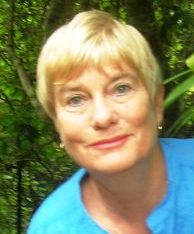
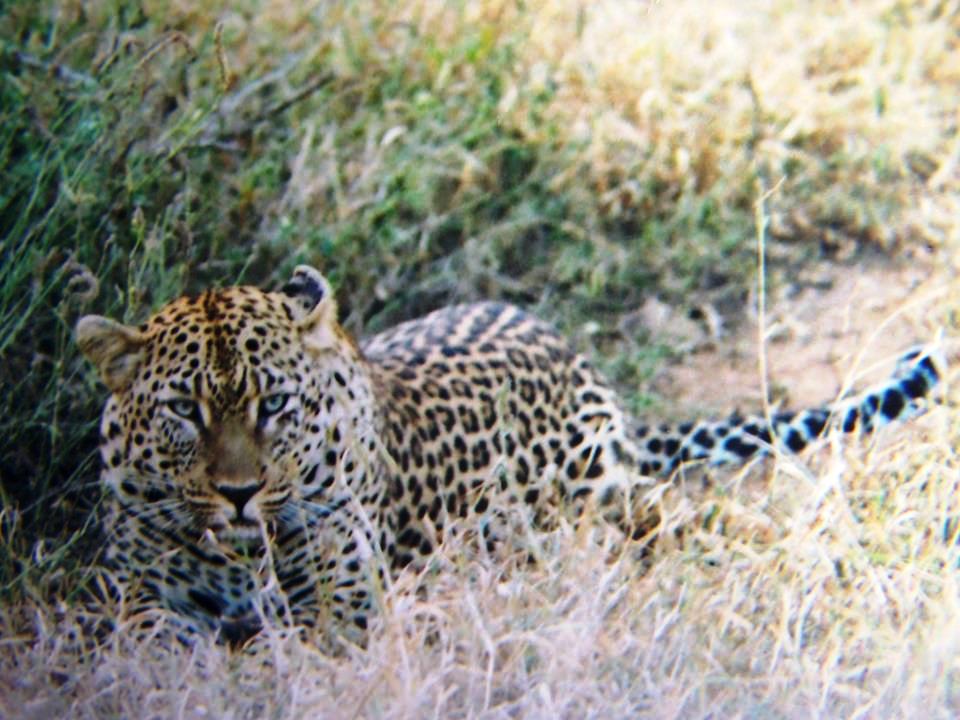


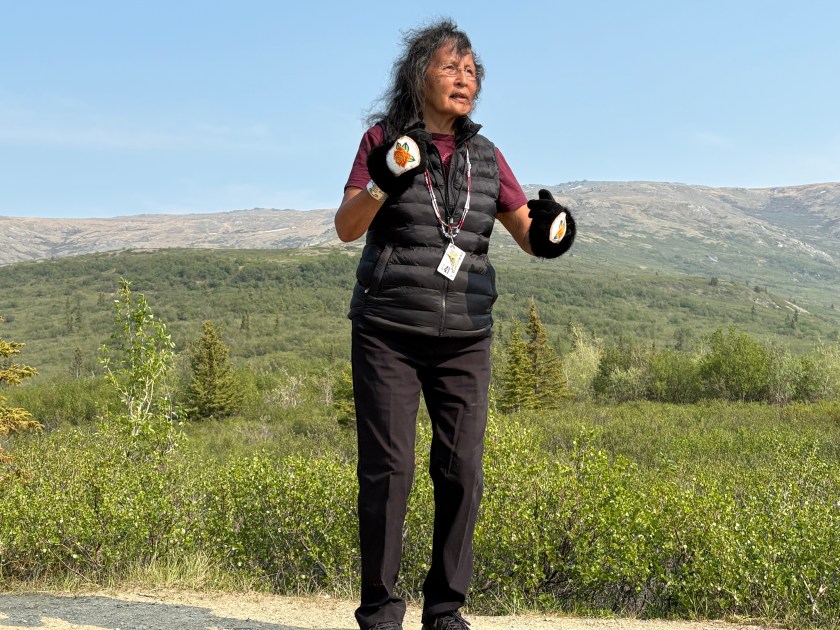

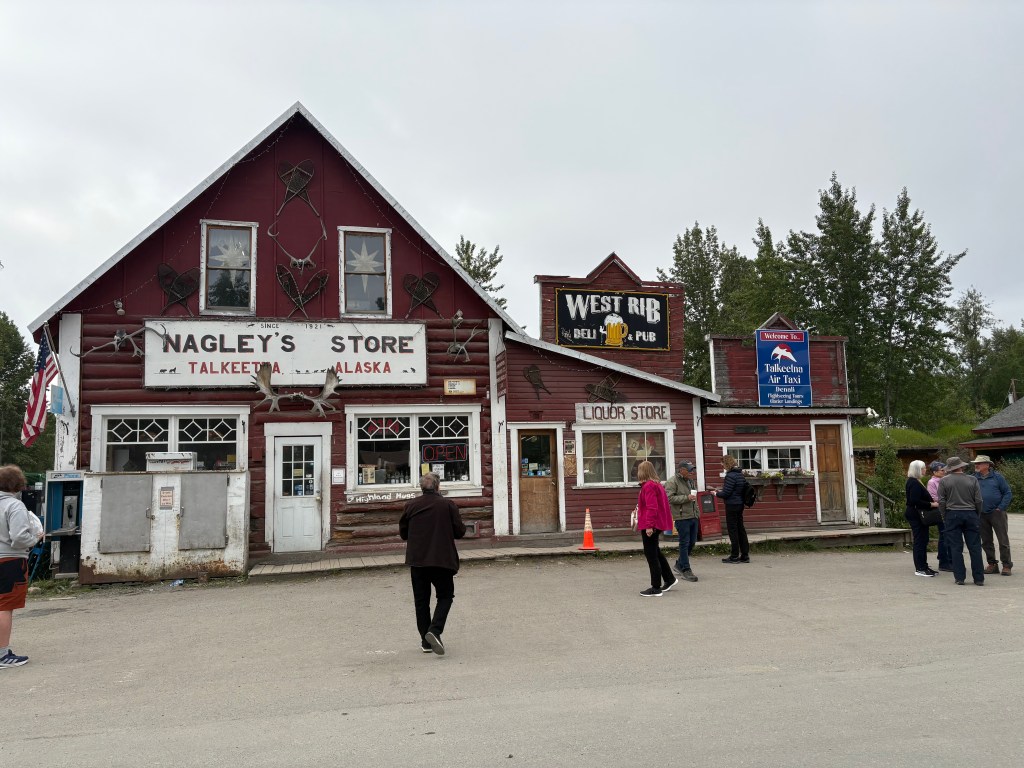

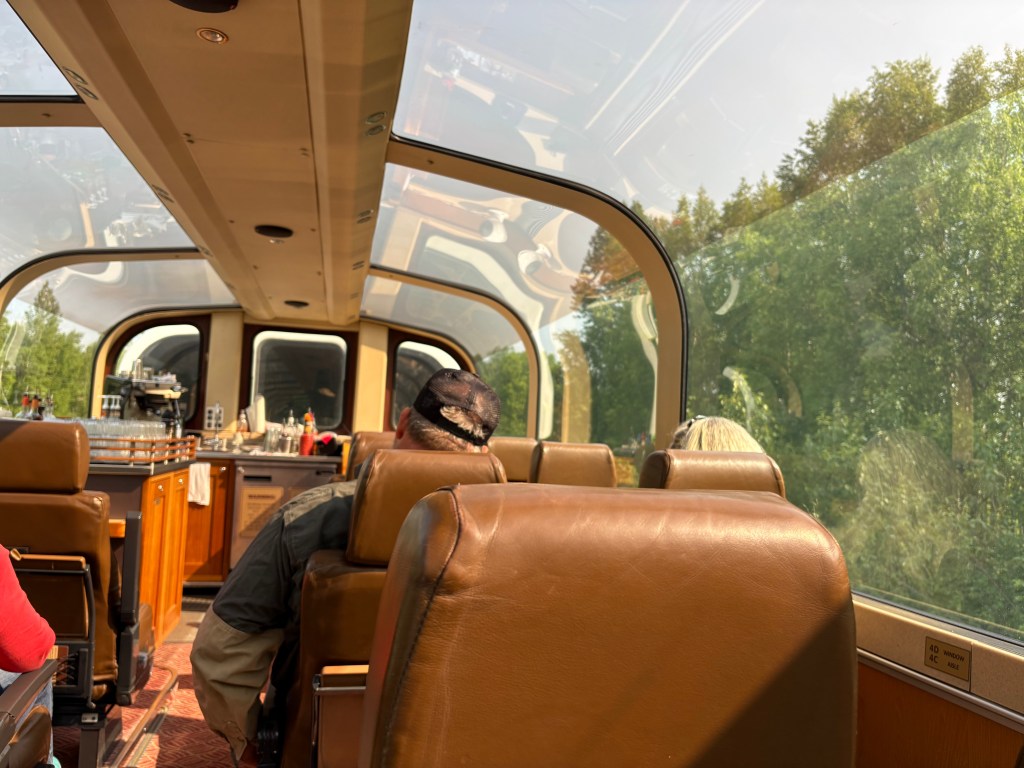
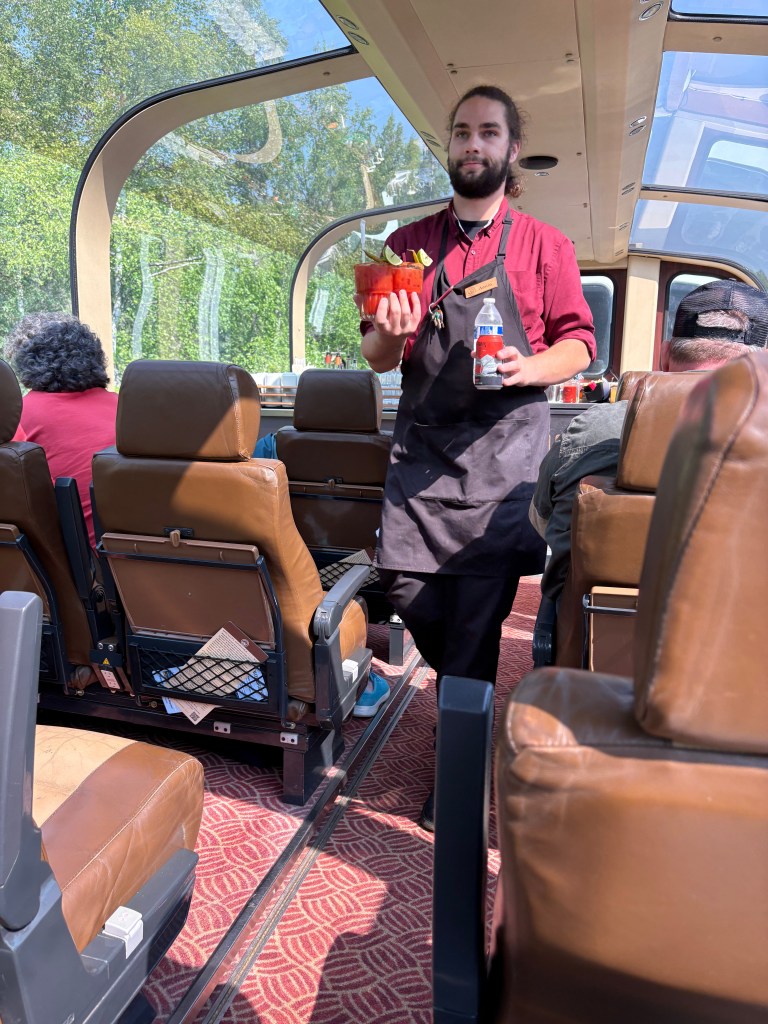
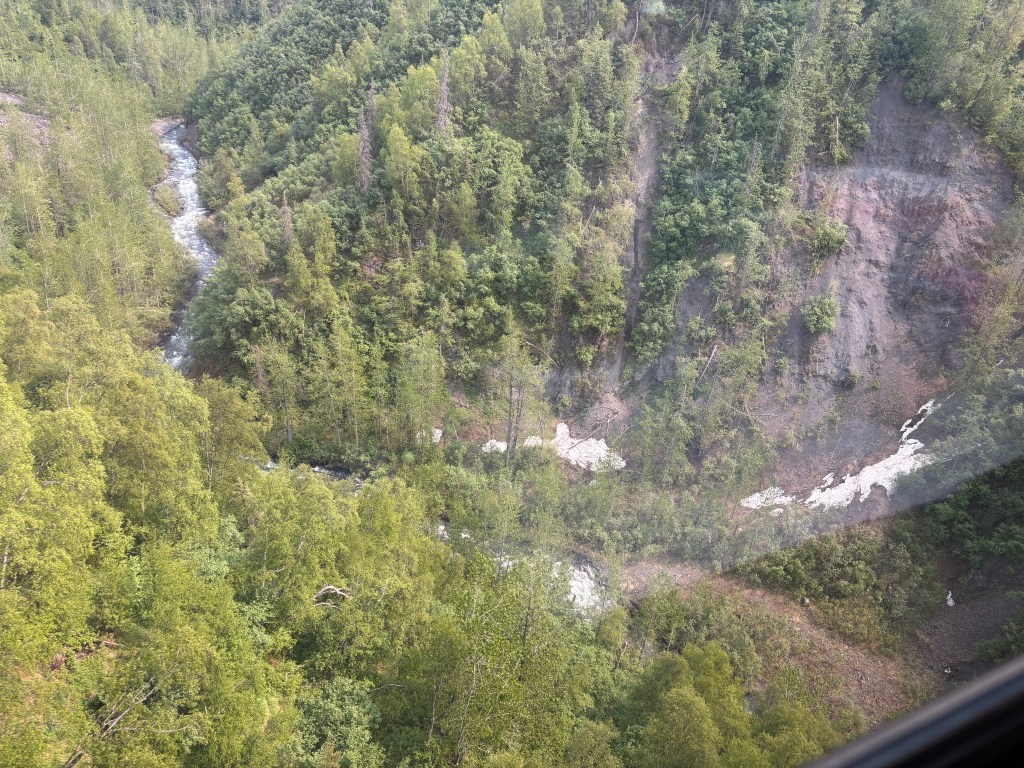
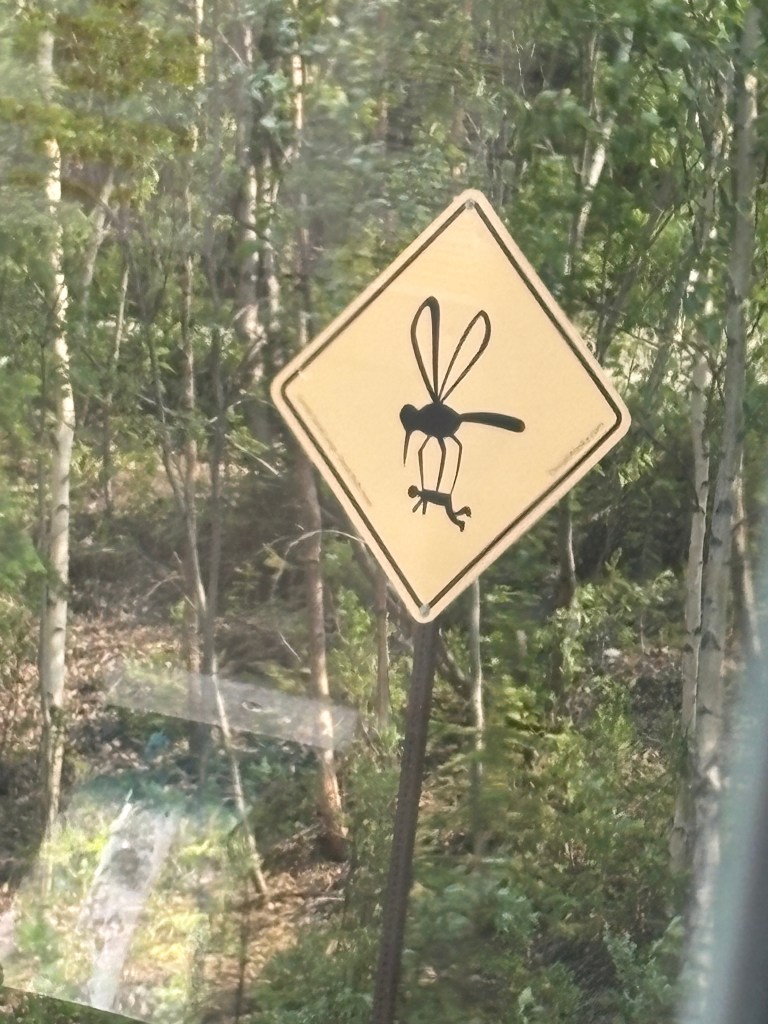
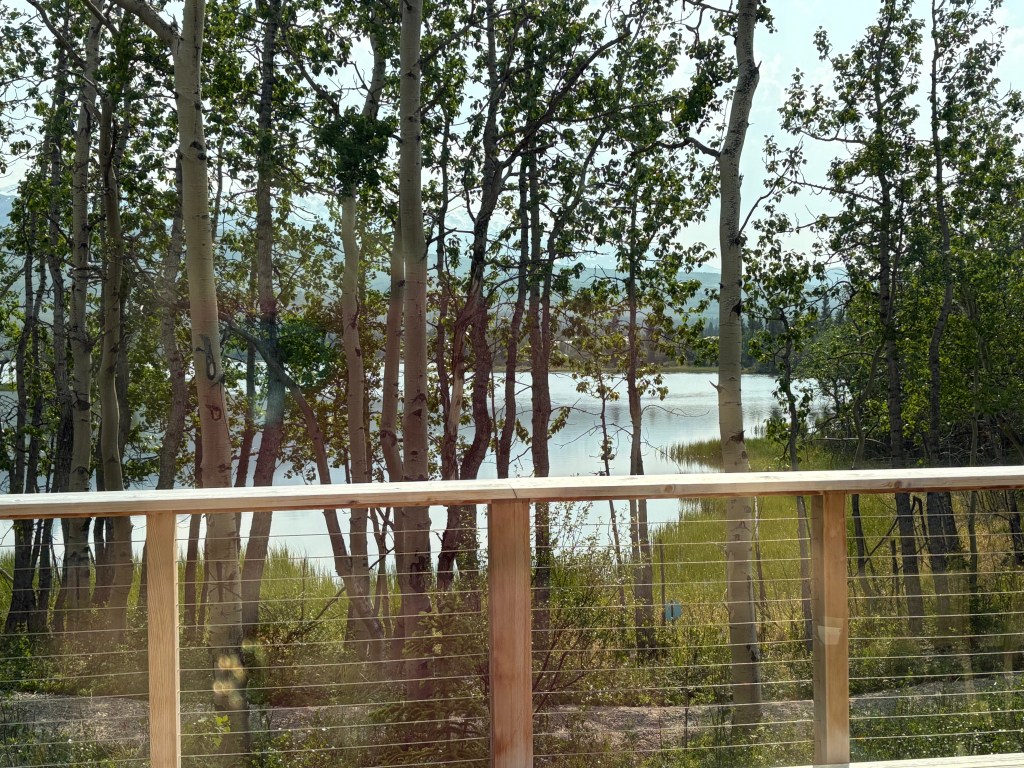
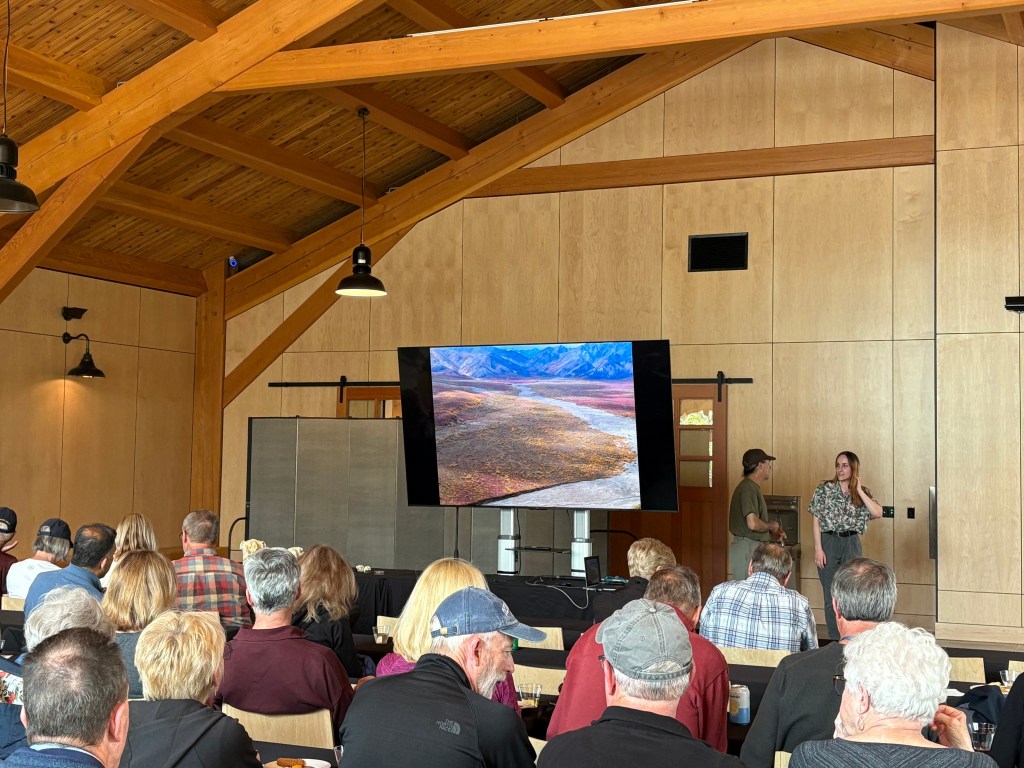
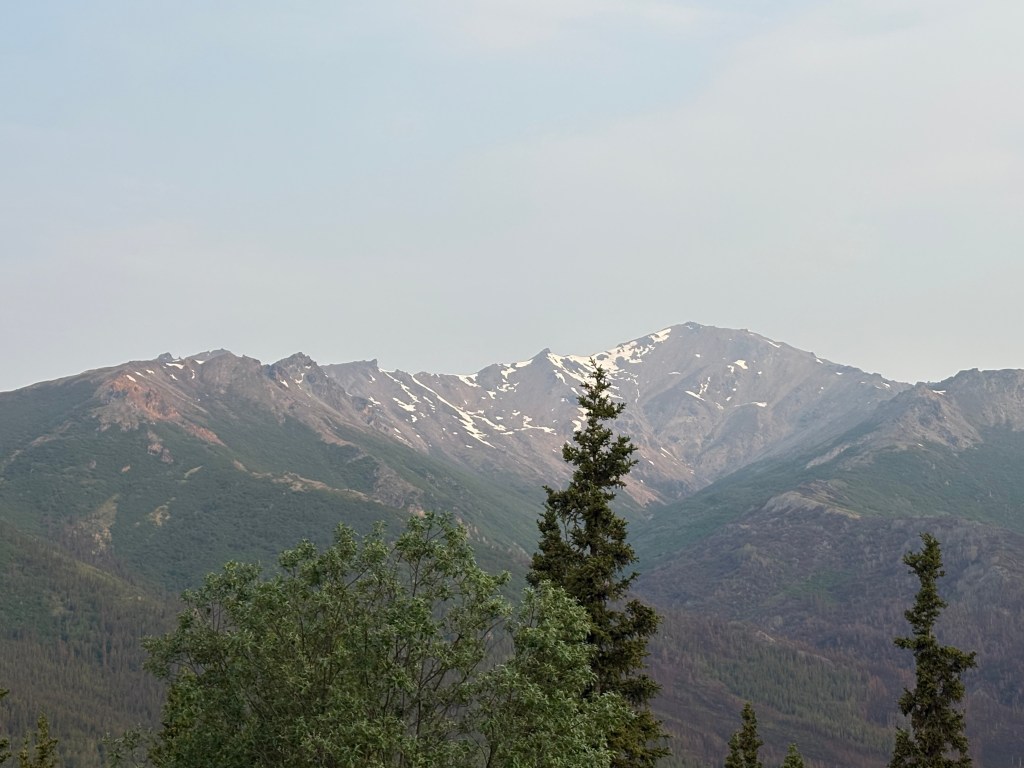
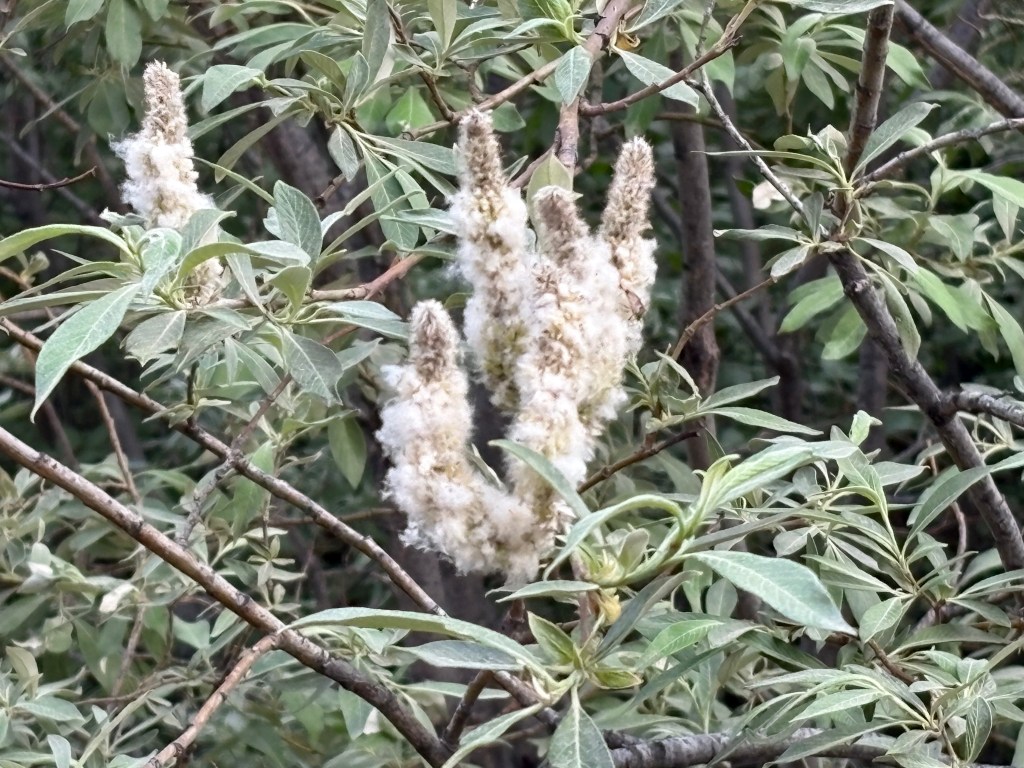
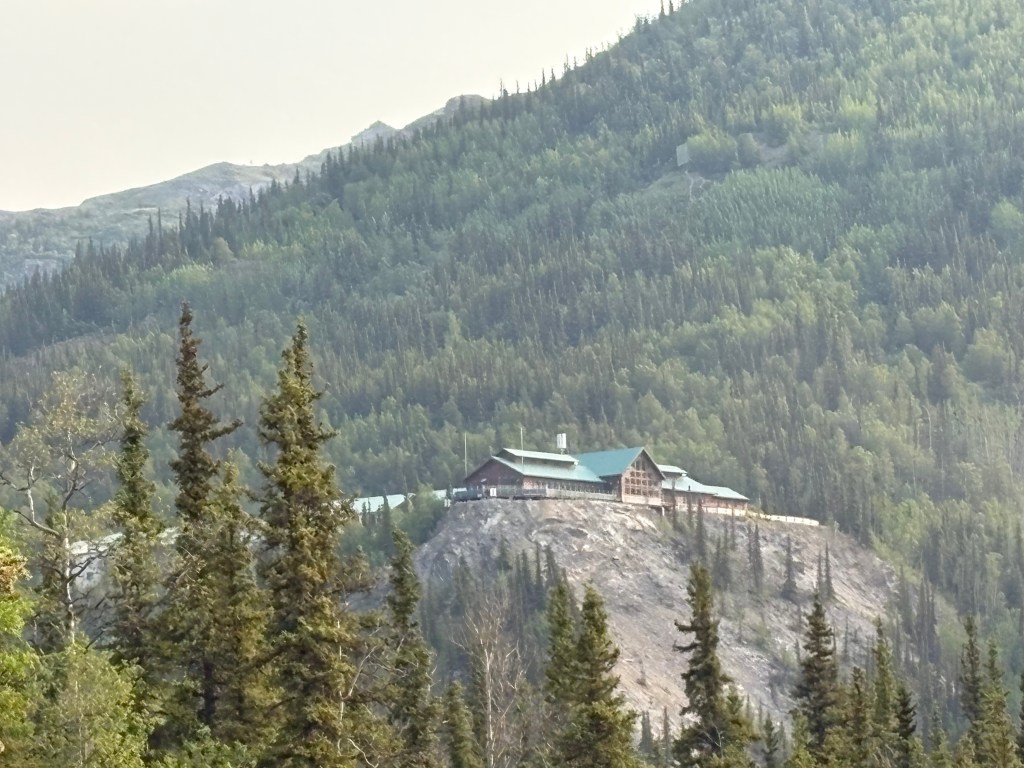

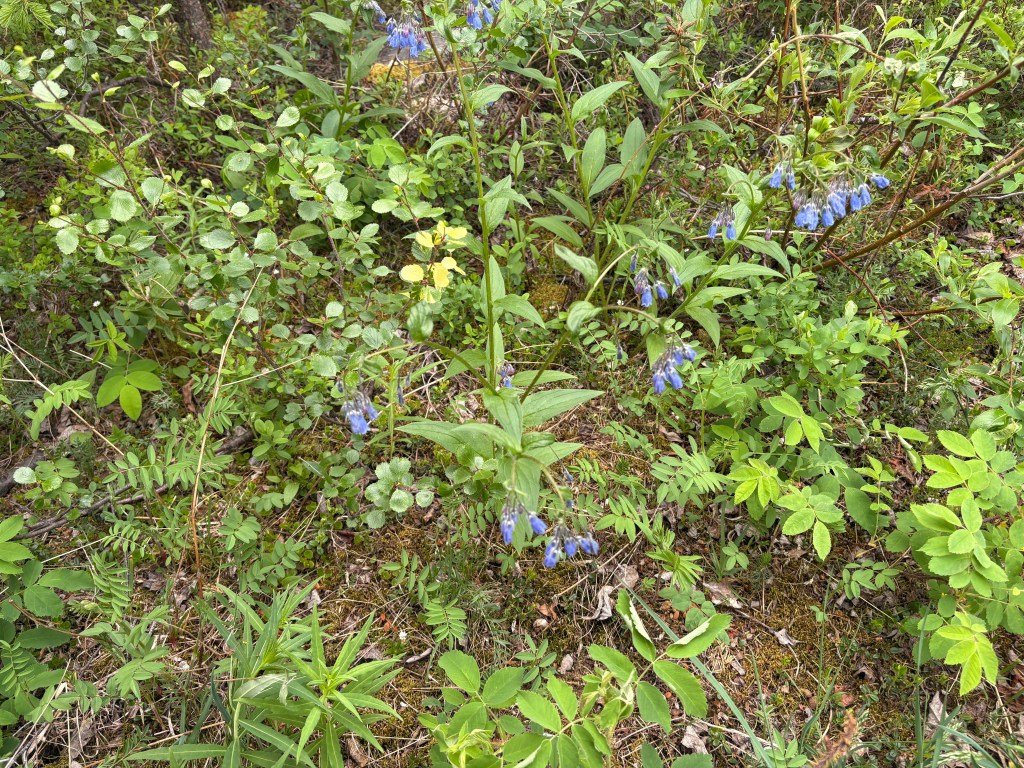


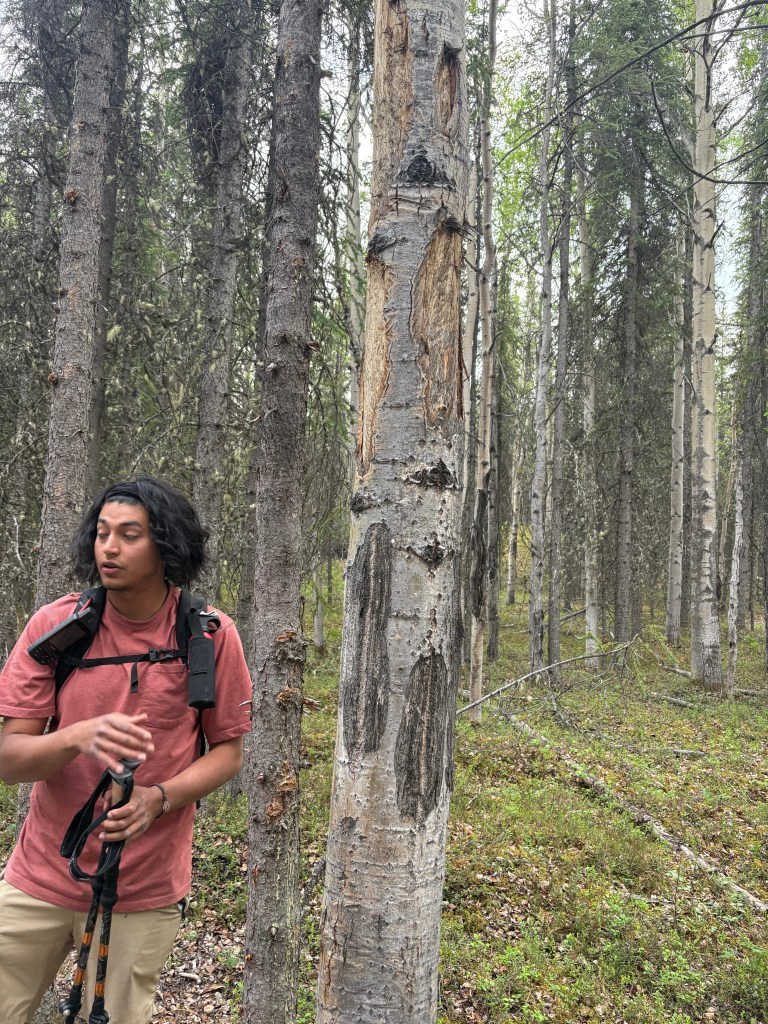
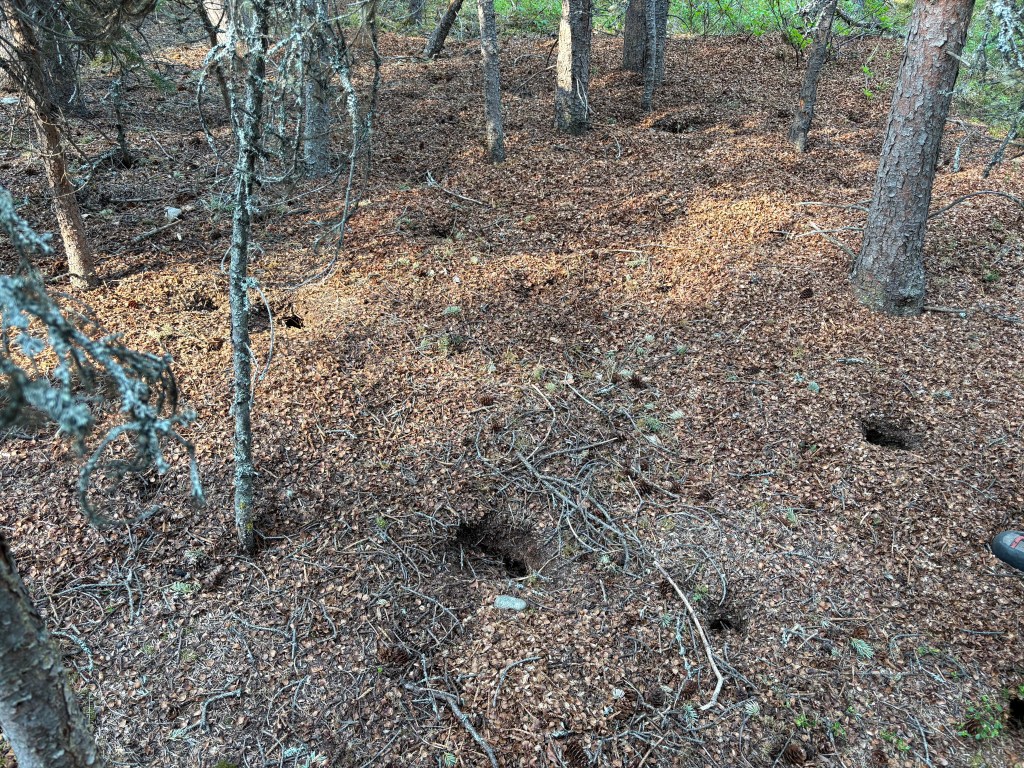
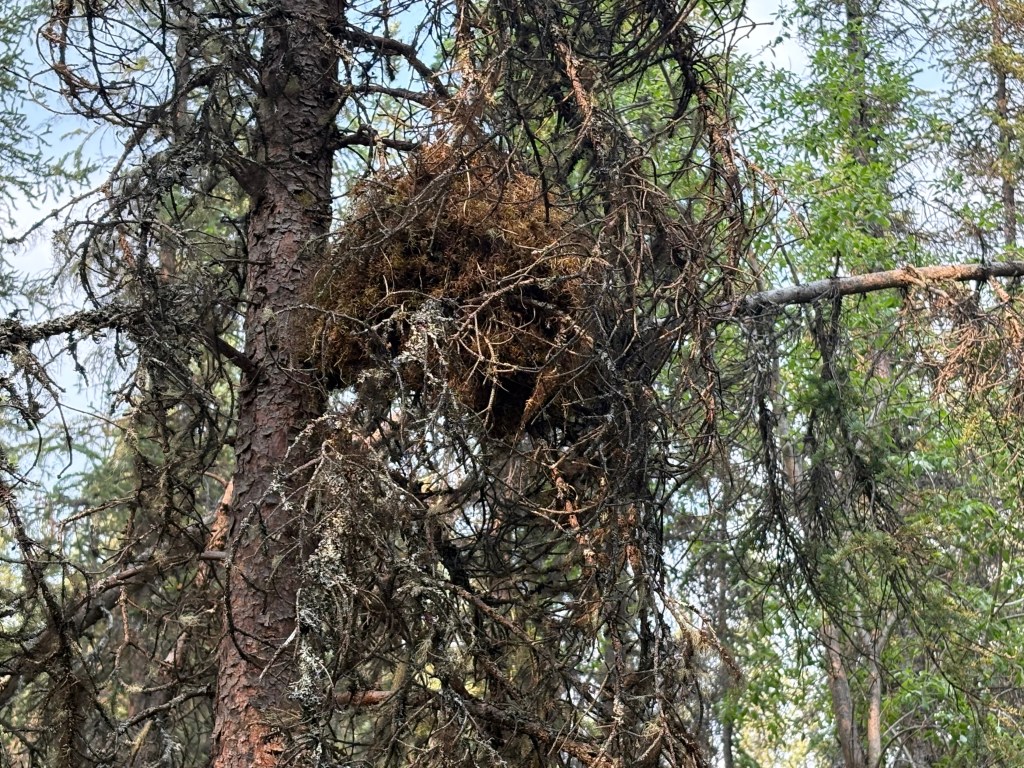
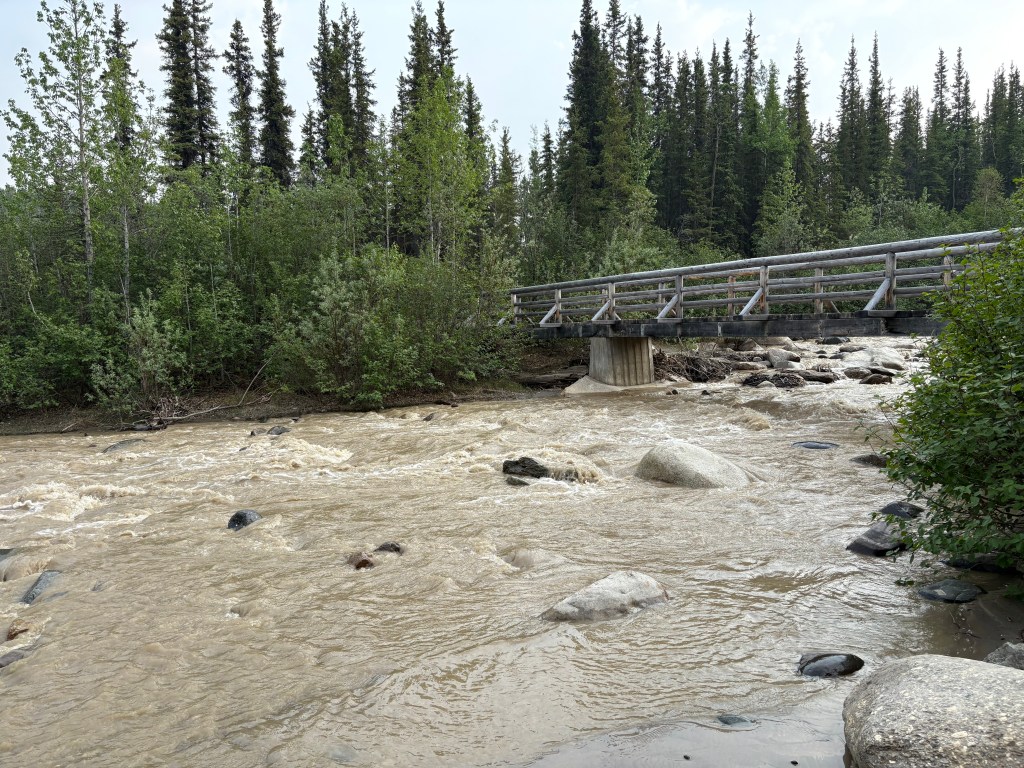
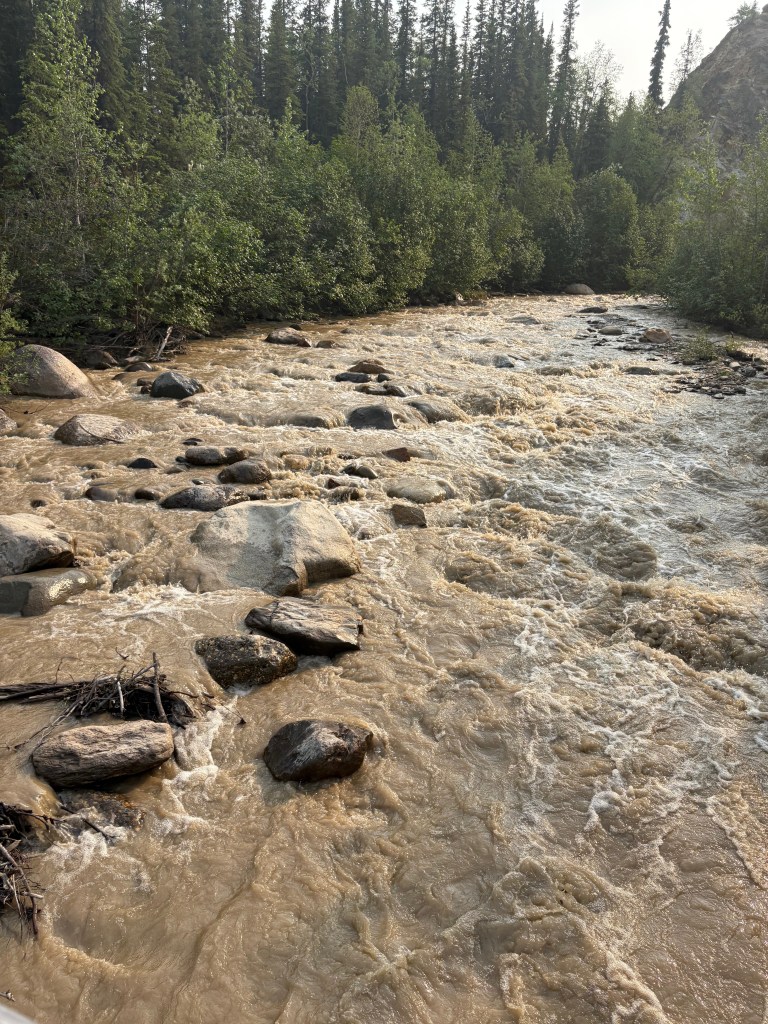
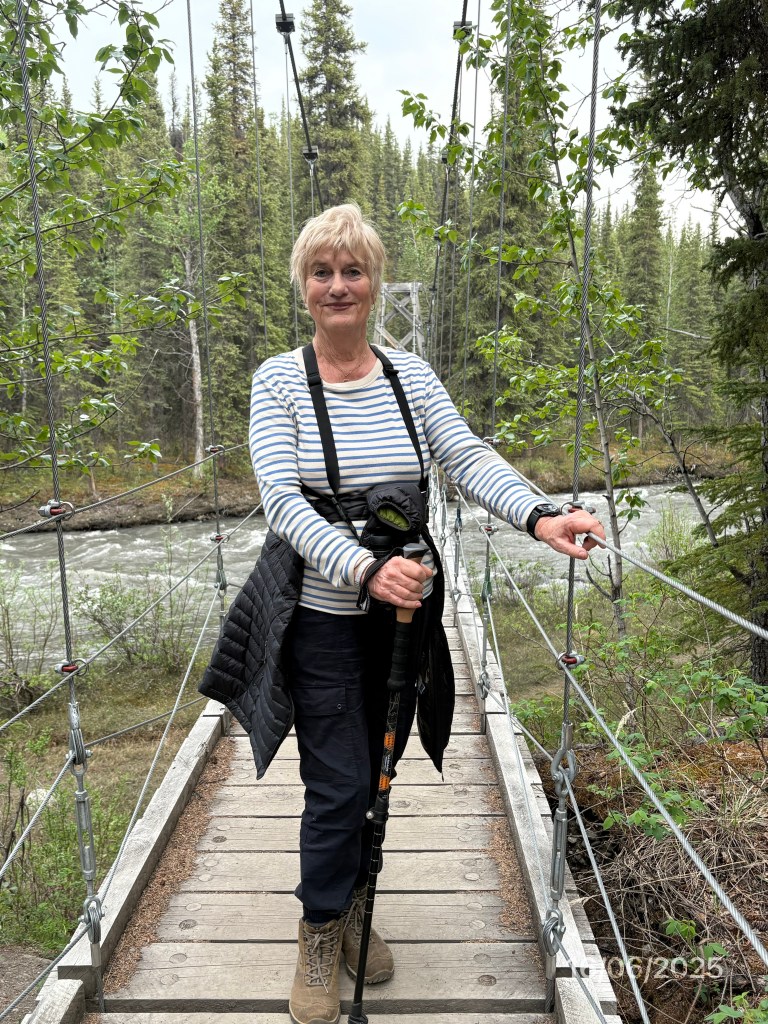
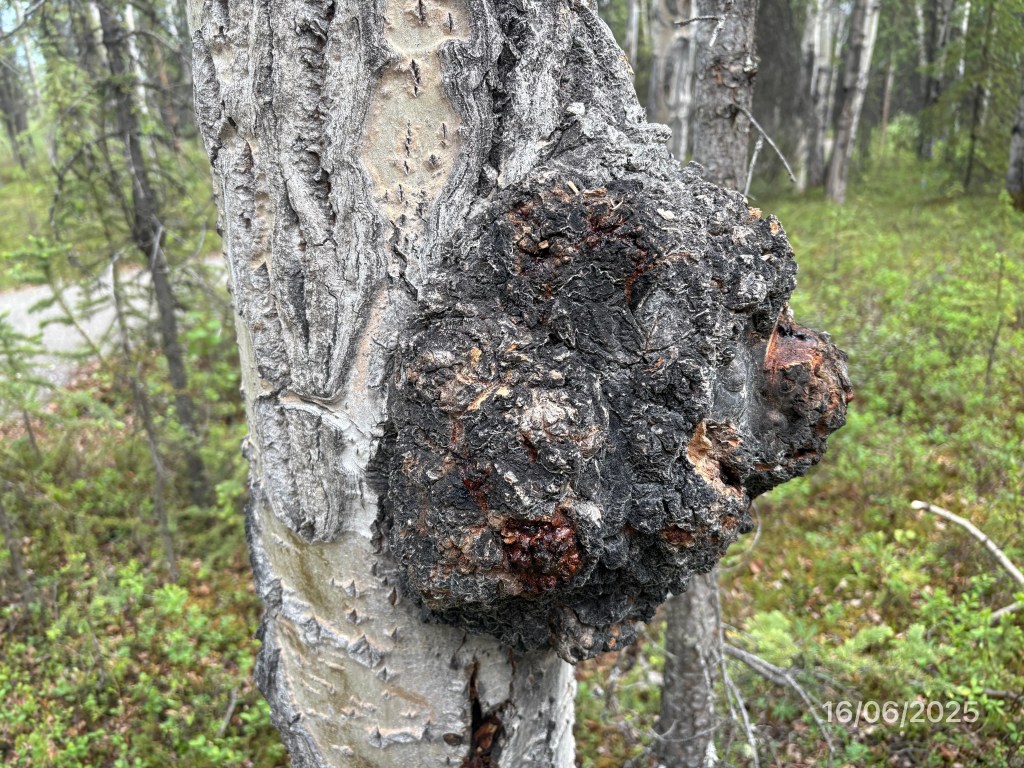
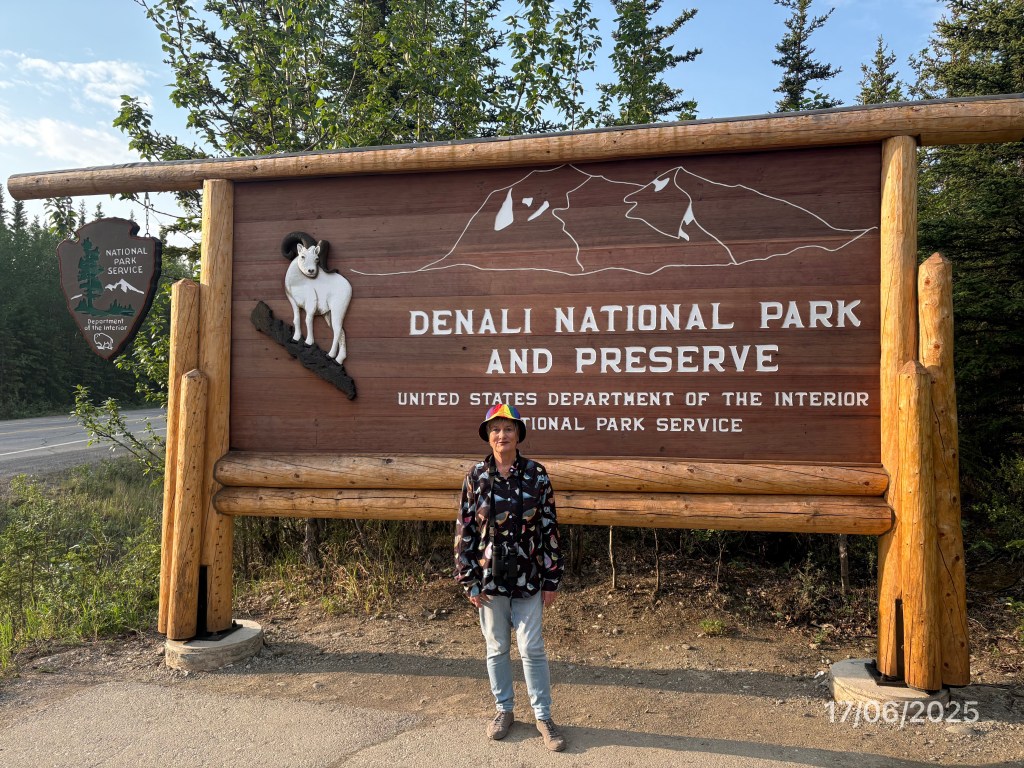
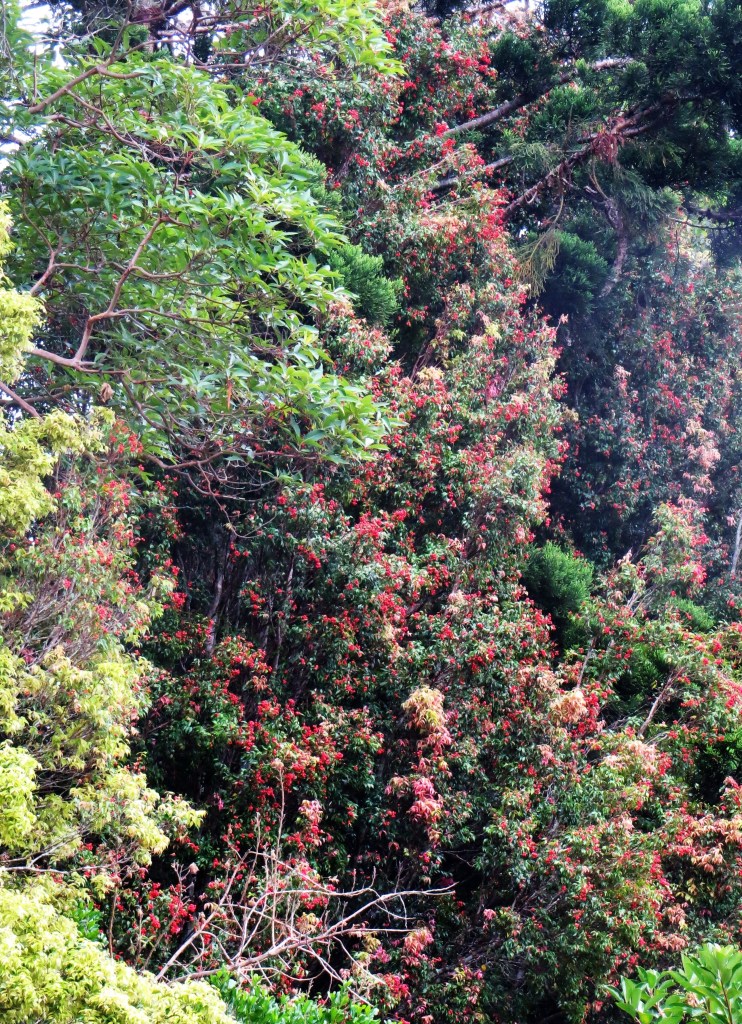

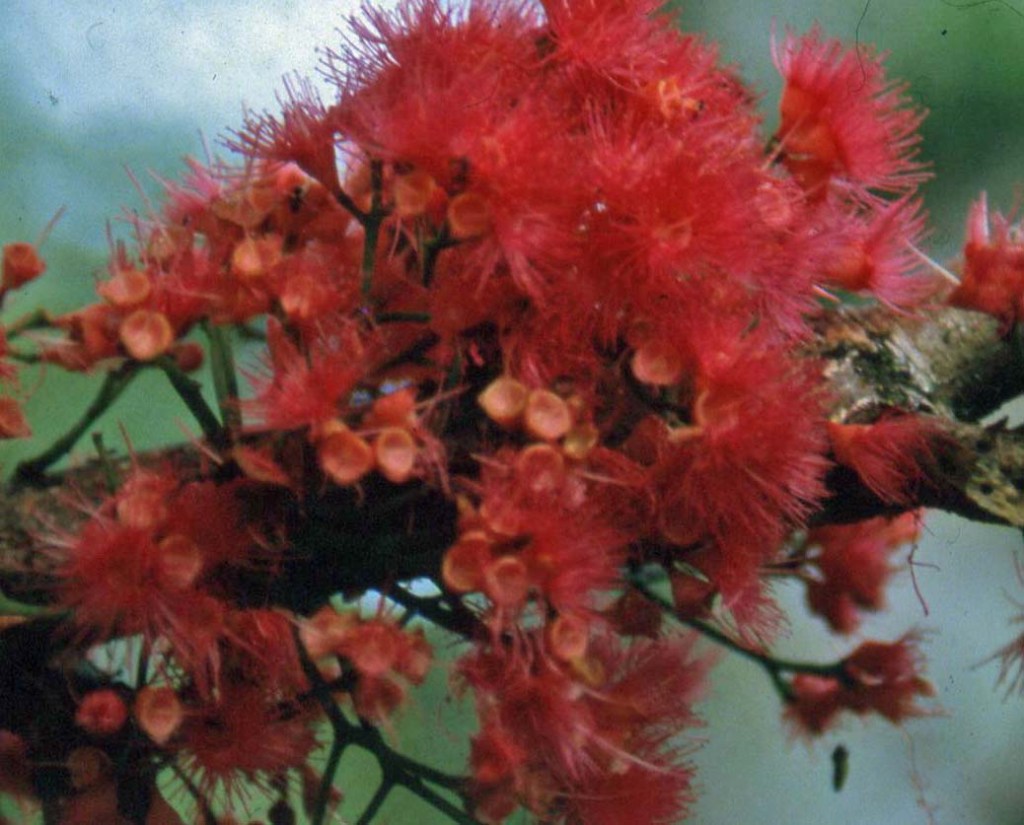




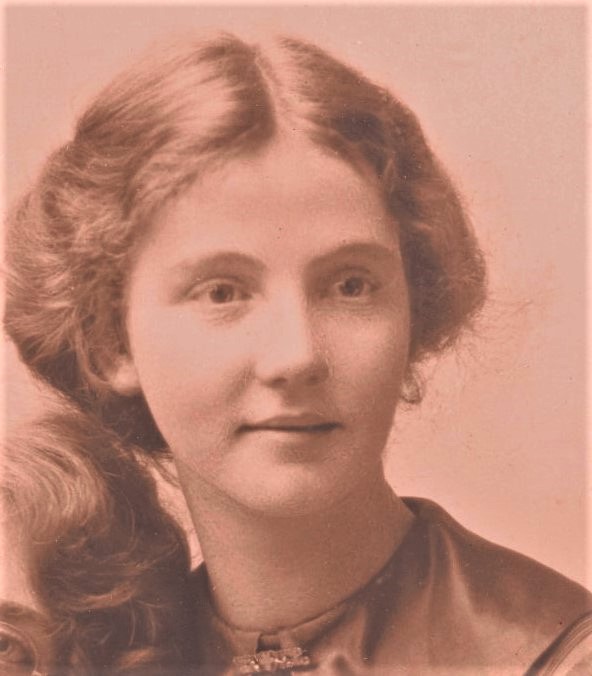
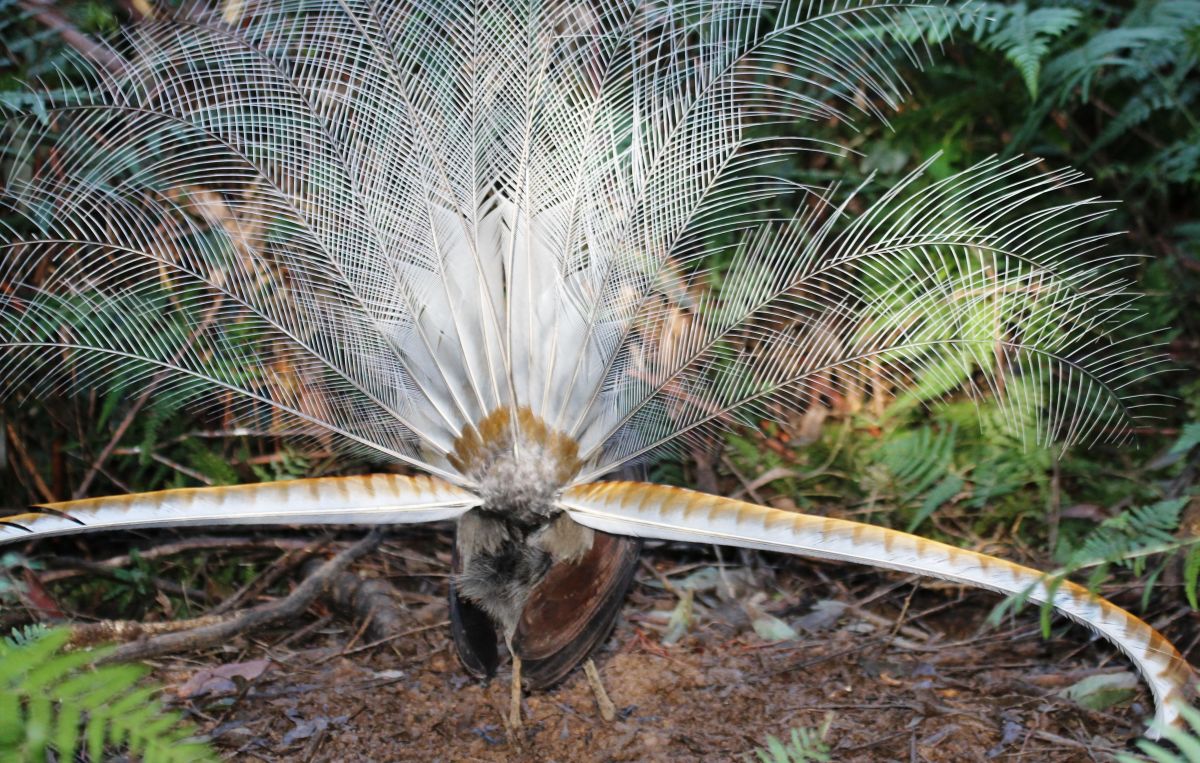
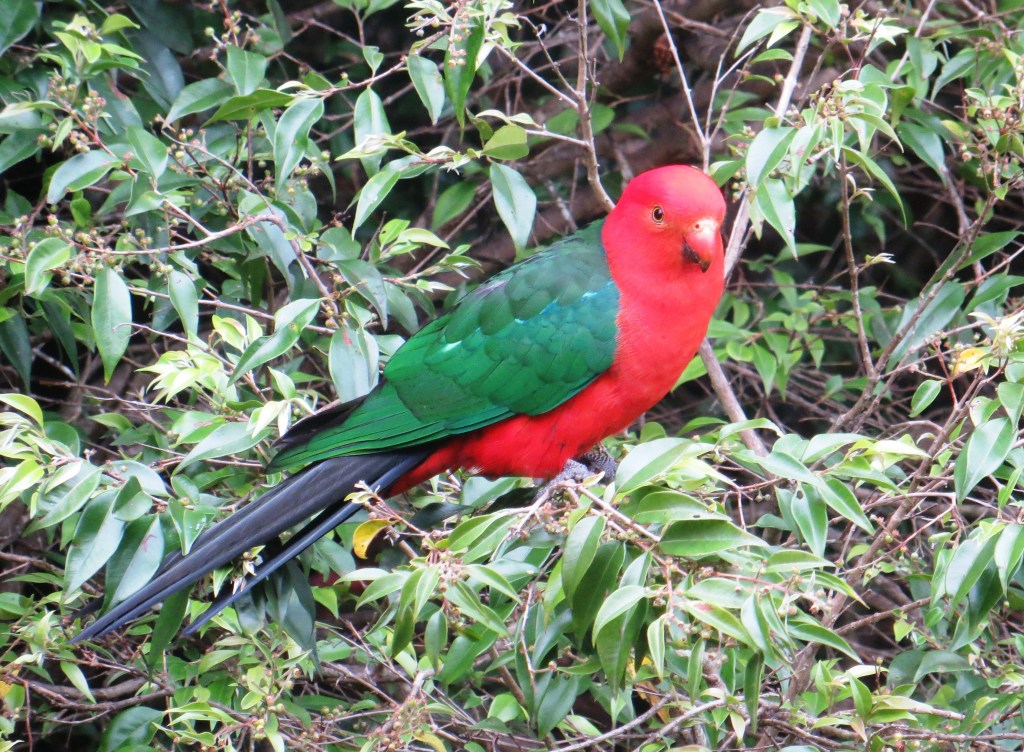
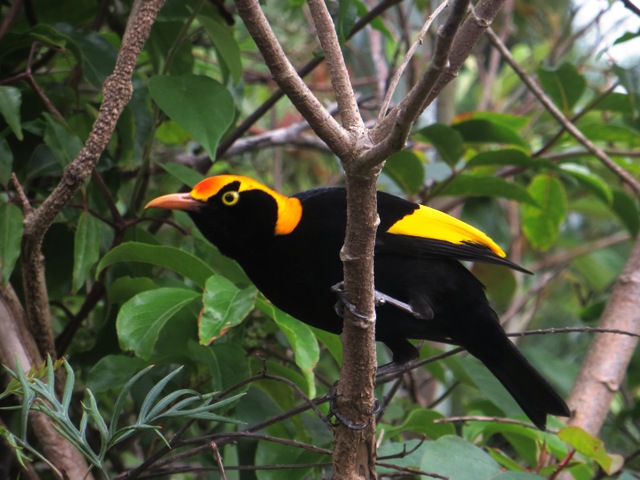
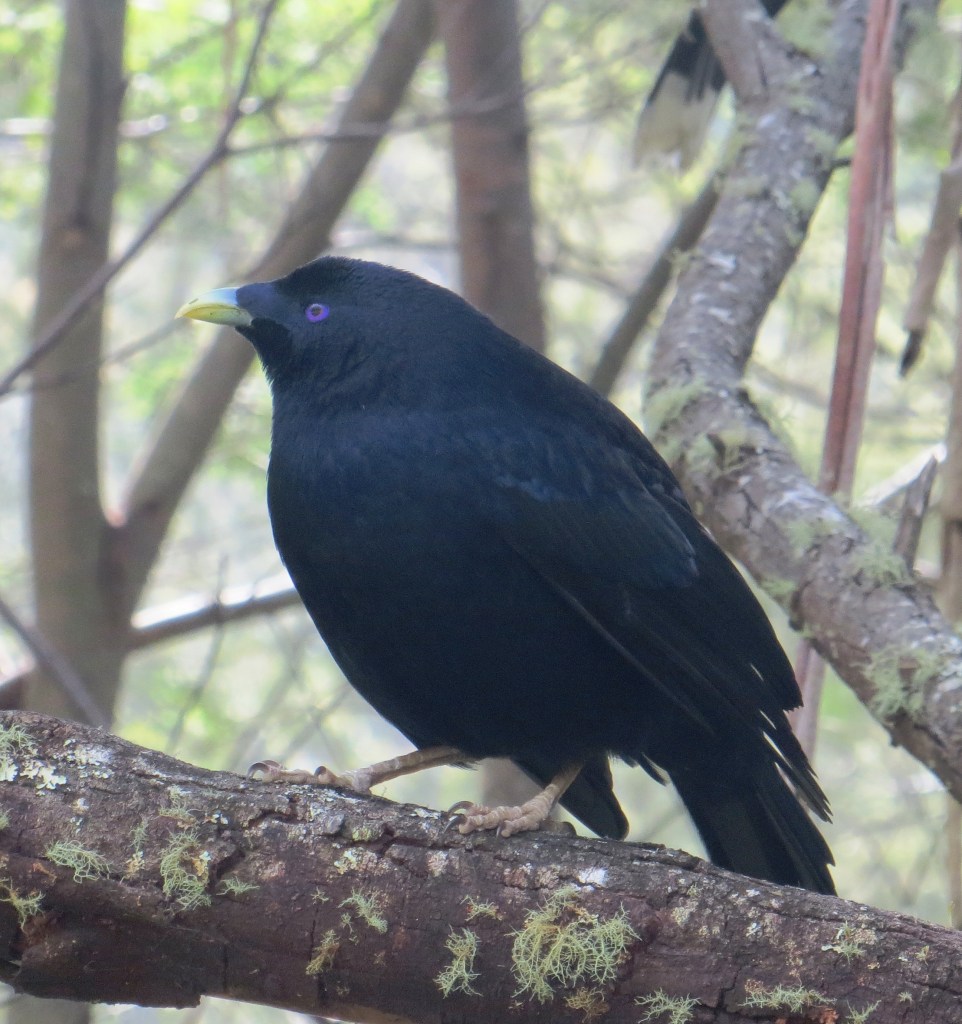


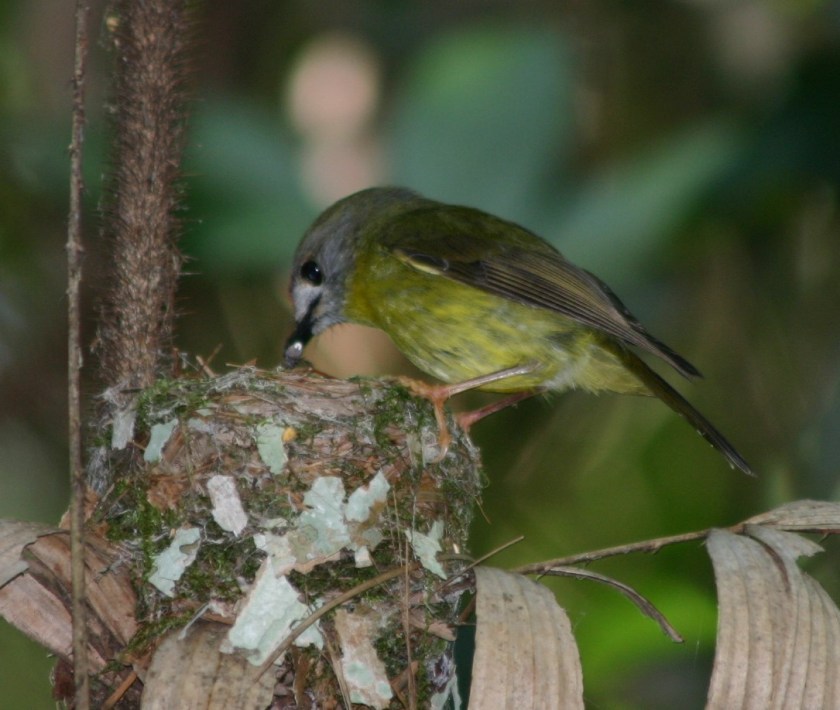
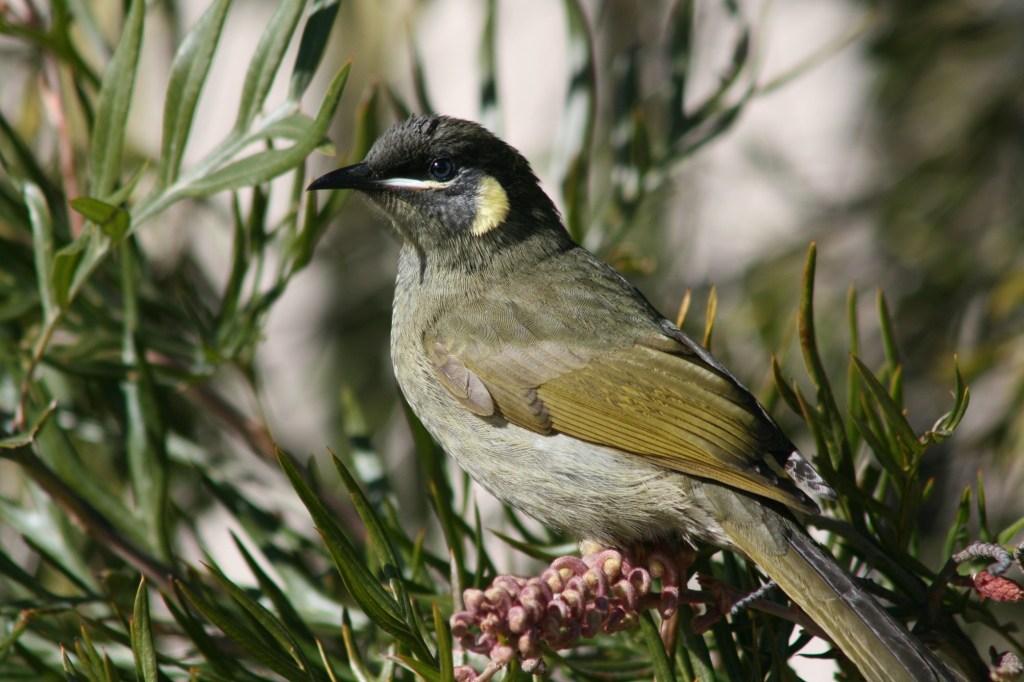


Leave a Reply