
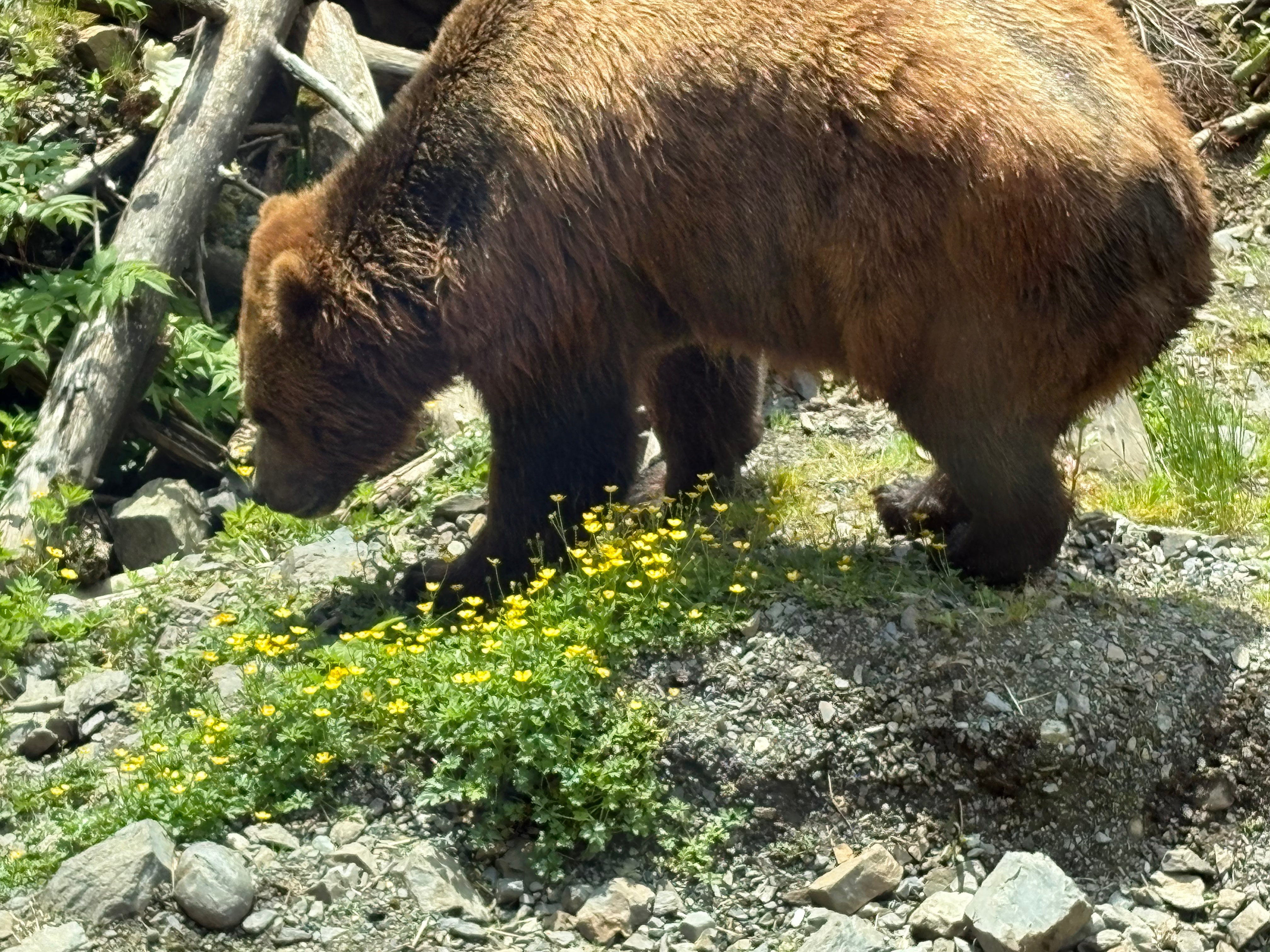
Bears! That’s what the Tongass National Forest has in abundance. Blacks and grizzlies. Along with wolves, deer, mountain goats, ermine and a plethora (I love that word!) of marine life in the fjords and seas that abut this 16.7 acre (6.7 million hectare – really, I love the Americans but they ARE backward in some things!) national forest. The largest in the United States.
Bears lured me there this June – I’m a bear tragic! – but also the chance to spend time in a temperate rainforest when much of my working life has been spent in the rainforests of the subtropics and tropics.
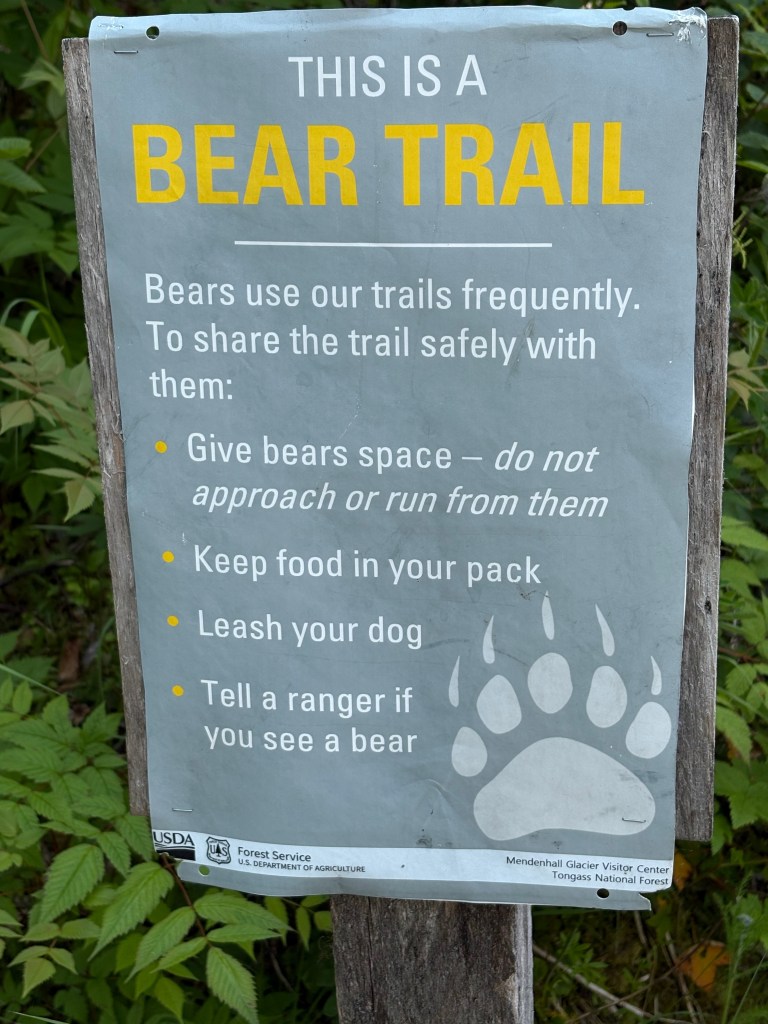
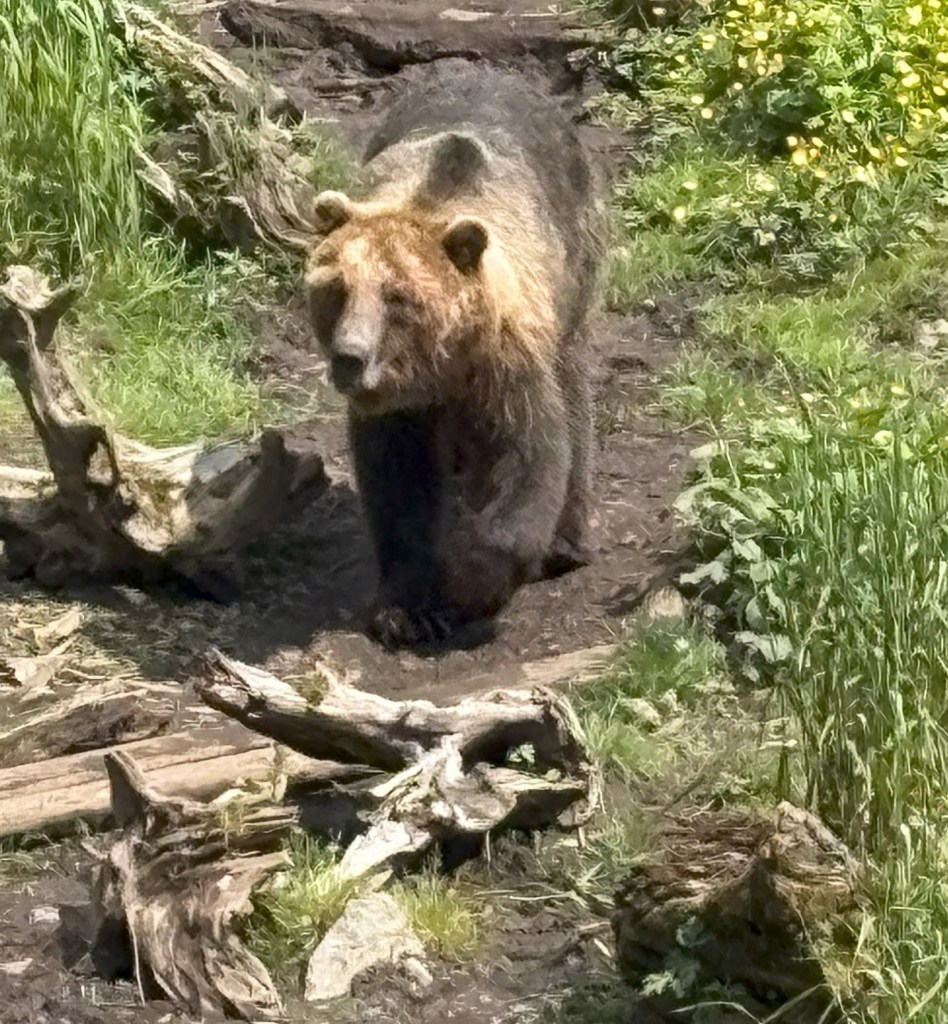
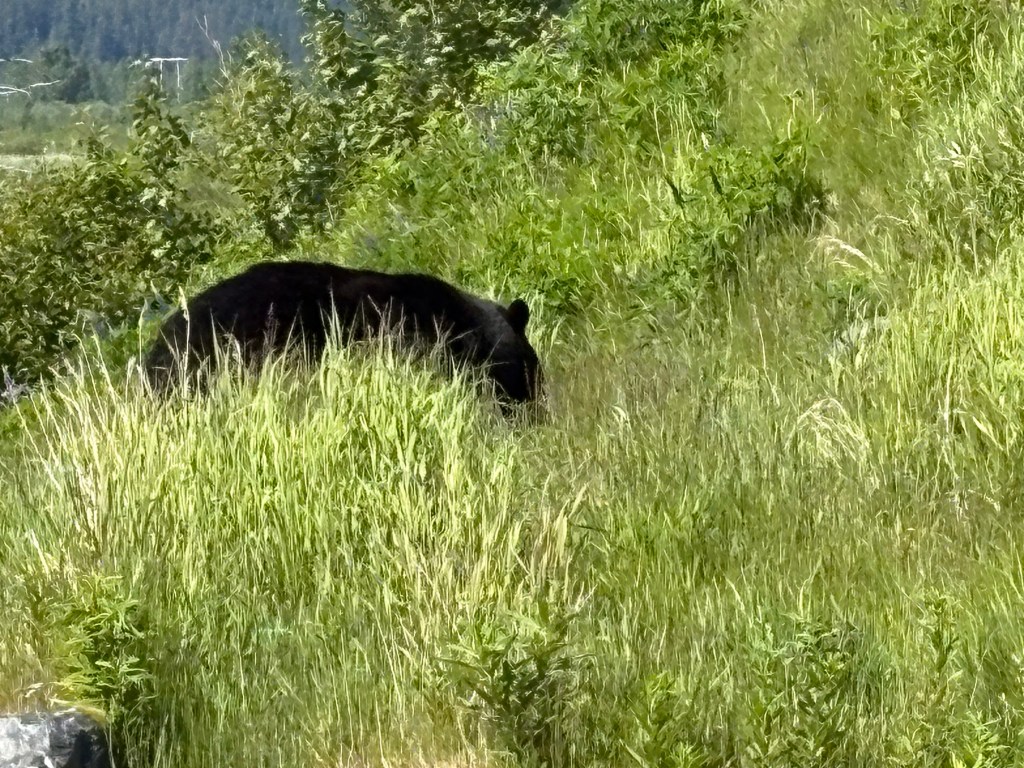
I love the Tongass. Others say they find it forbidding, even sinister, and I can see that. All those dark cedars and hemlocks and spruces lowering over the groundscape of root and moss and fern. Like the great forests of pre-industrial Europe there could be witches lurking here, and goblins and worse. Stories are told by the indigenous Tlingit of Goo-Teekhl the Salmon Thief who sometimes attacks humans. Or did, until humans defeated him. But then he got his revenge – by bringing upon them the mosquito.
I am not too worried by monsters and mosquitoes don’t seem too numerous in the deep forest, only by the water and in the open country. And they are only bad in the short summer. The rest of the time the forest is covered in snow. Mozzies are found in MY forests too, the magical rainforests of southern Queensland and northern New South Wales and we, too, have our legends.
What we don’t have is bears. Or otters. Or indeed predators of any mammal kind.
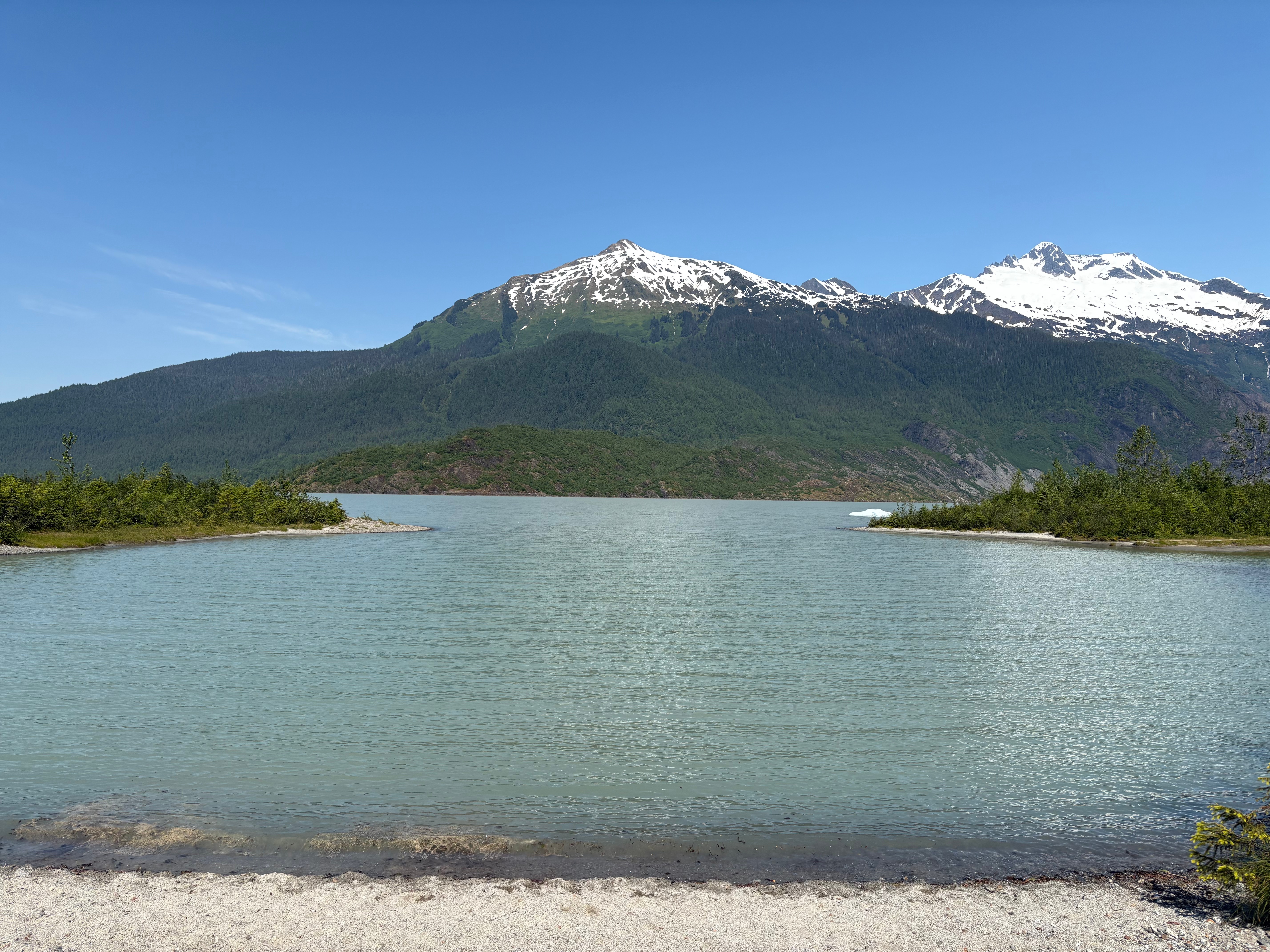
So I went to the Tongass and loved every bit of it. The slight danger of encountering a predator better armed than myself. The slightly unsettling spongy softness of deep moss underfoot. The furious little streams pouring off the glaciers and snowy mountain tops. The deep fjords and bays bejewelled by islands that are also part of the Tongass. The blue glaciers crumbling in dramatic bursts of spray where they abruptly meet the sea. The charming small creatures that scuttle across the paths softened and deadened by pine needles and roughened by cones. The birds – for I am a birdwatcher since girlhood.


There are many fine birds in the Tongass though they tend to be secretive. But handsomest of all is the Bald Eagle and this must be that bird’s spiritual home (though the Canadians might have a thing or two to say about that!). These white-headed heroes of the sky are everywhere – perched on pine branches or seemingly quite at home on buildings and light poles in town, flapping with unhurried majesty across the inlets, diving with deadly accuracy for salmon. They are not as perfectly formed for this activity as are osprey but they are pretty damned good at it all the same.
In the little coastal tourist towns of Sitka and Skagway and Ketchikan it rains a lot in spring and summer and autumn (fall) but temperatures are milder than the interior thanks to the ocean and the great forest. Winters can be snowy but mostly on the mountains all around, that stick up like cake frosting.
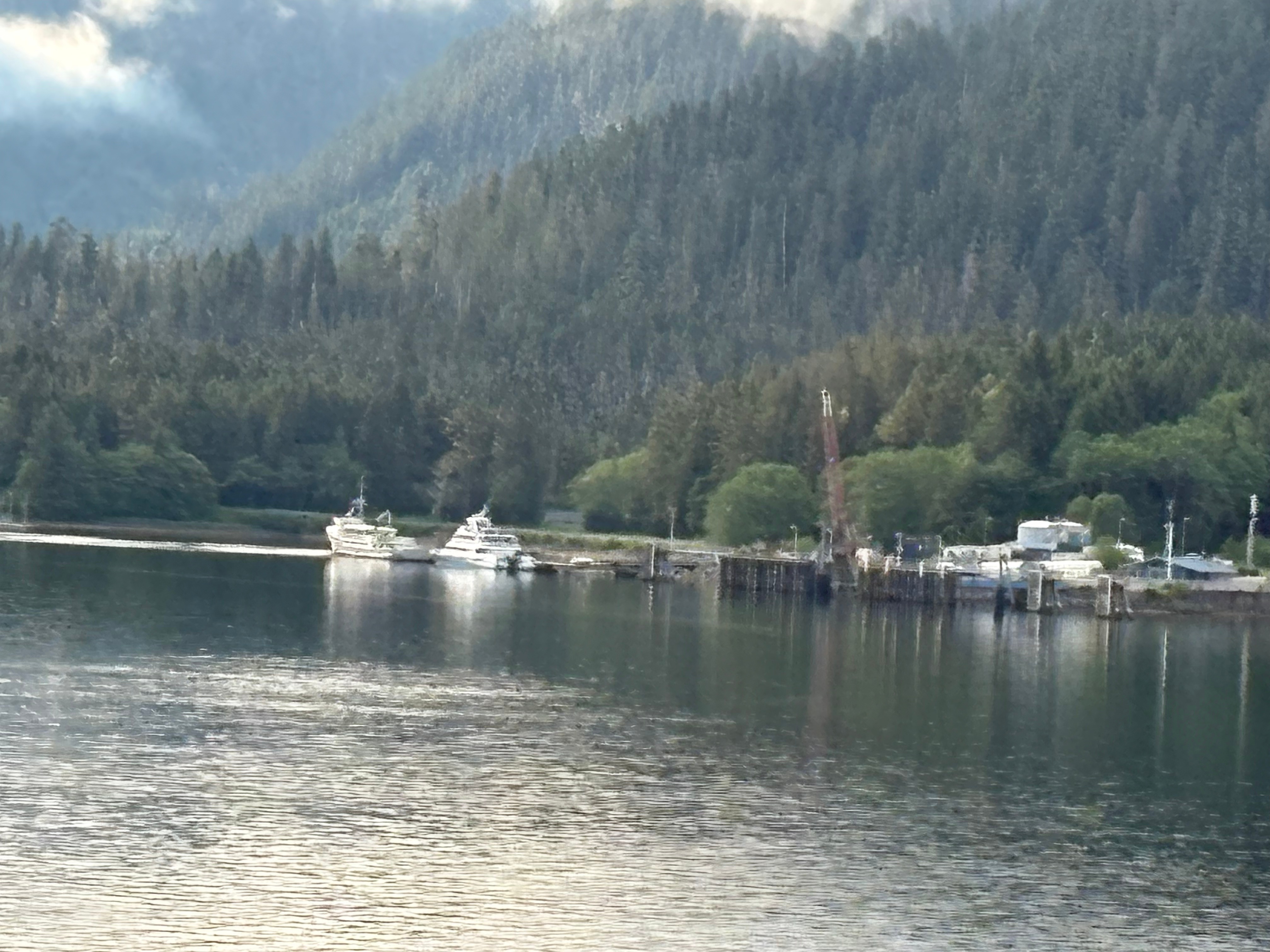
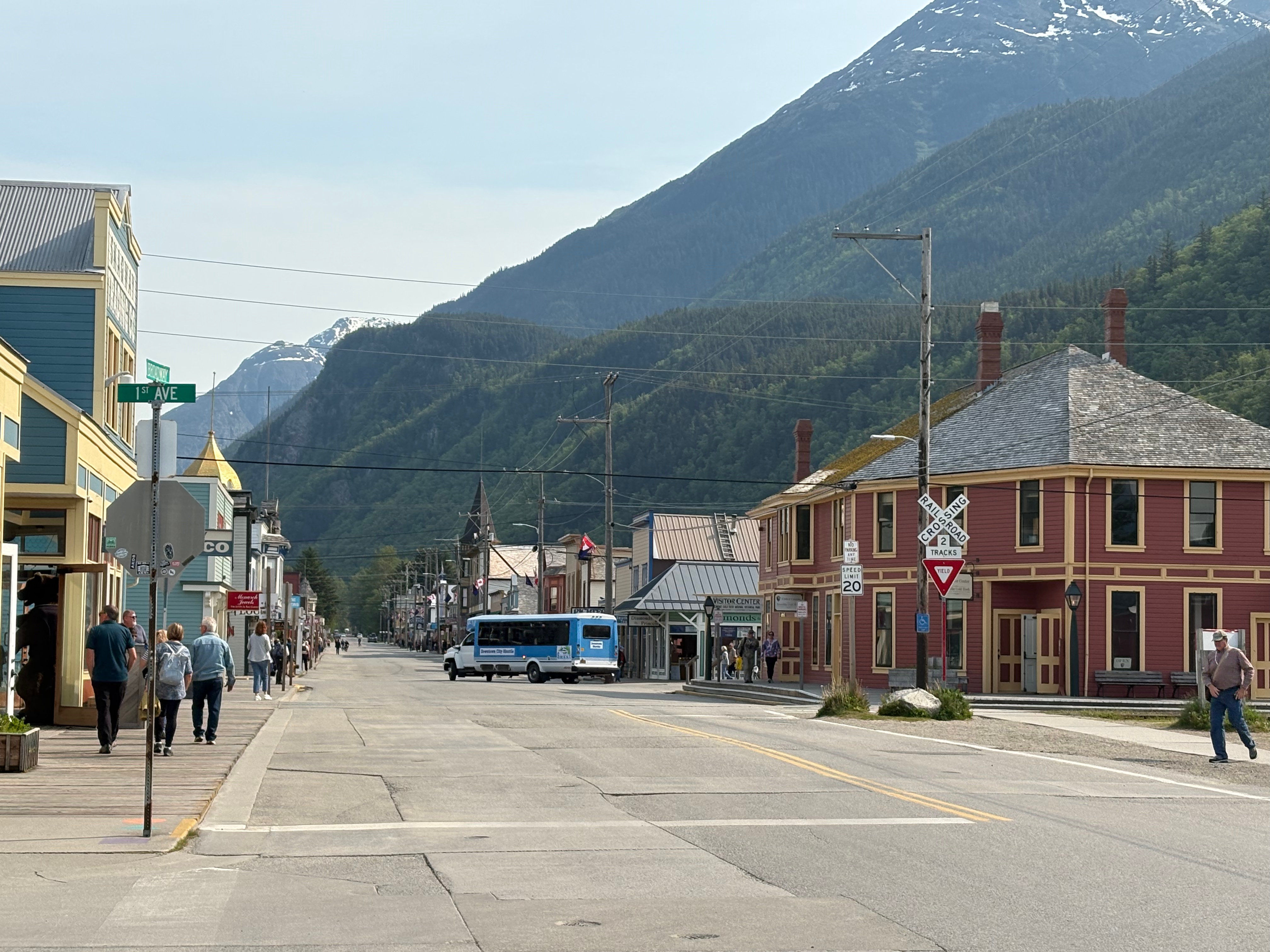
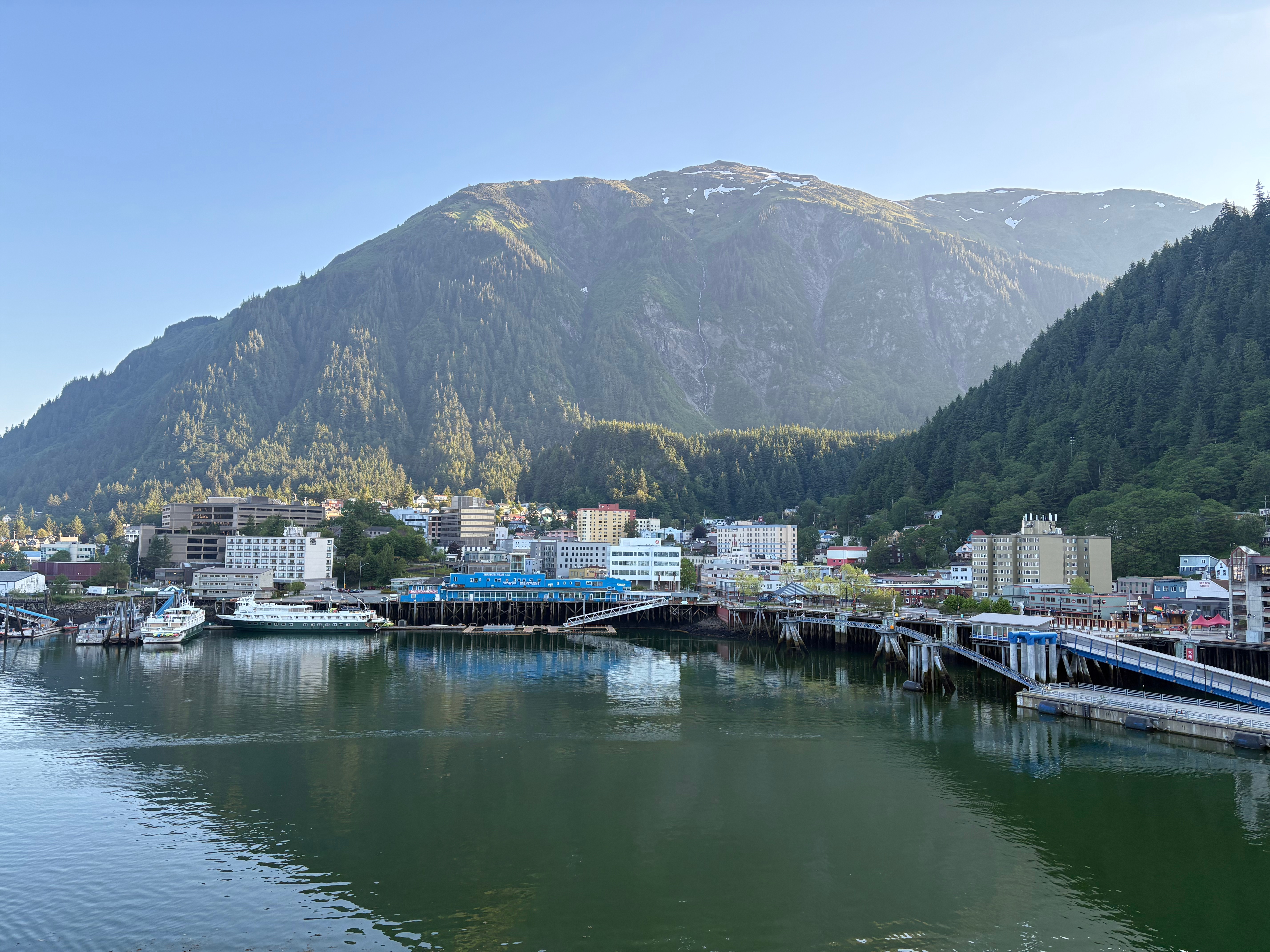
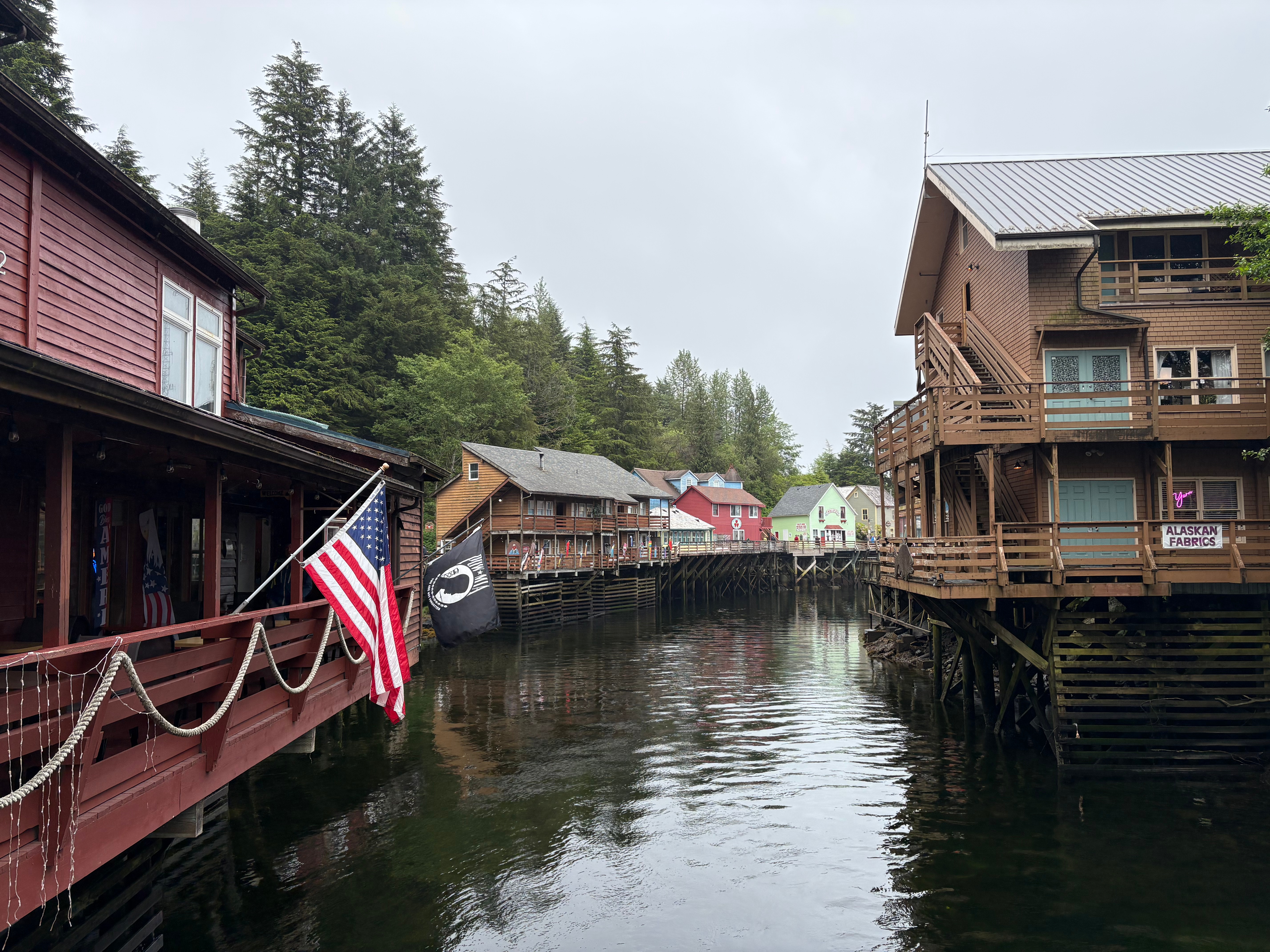
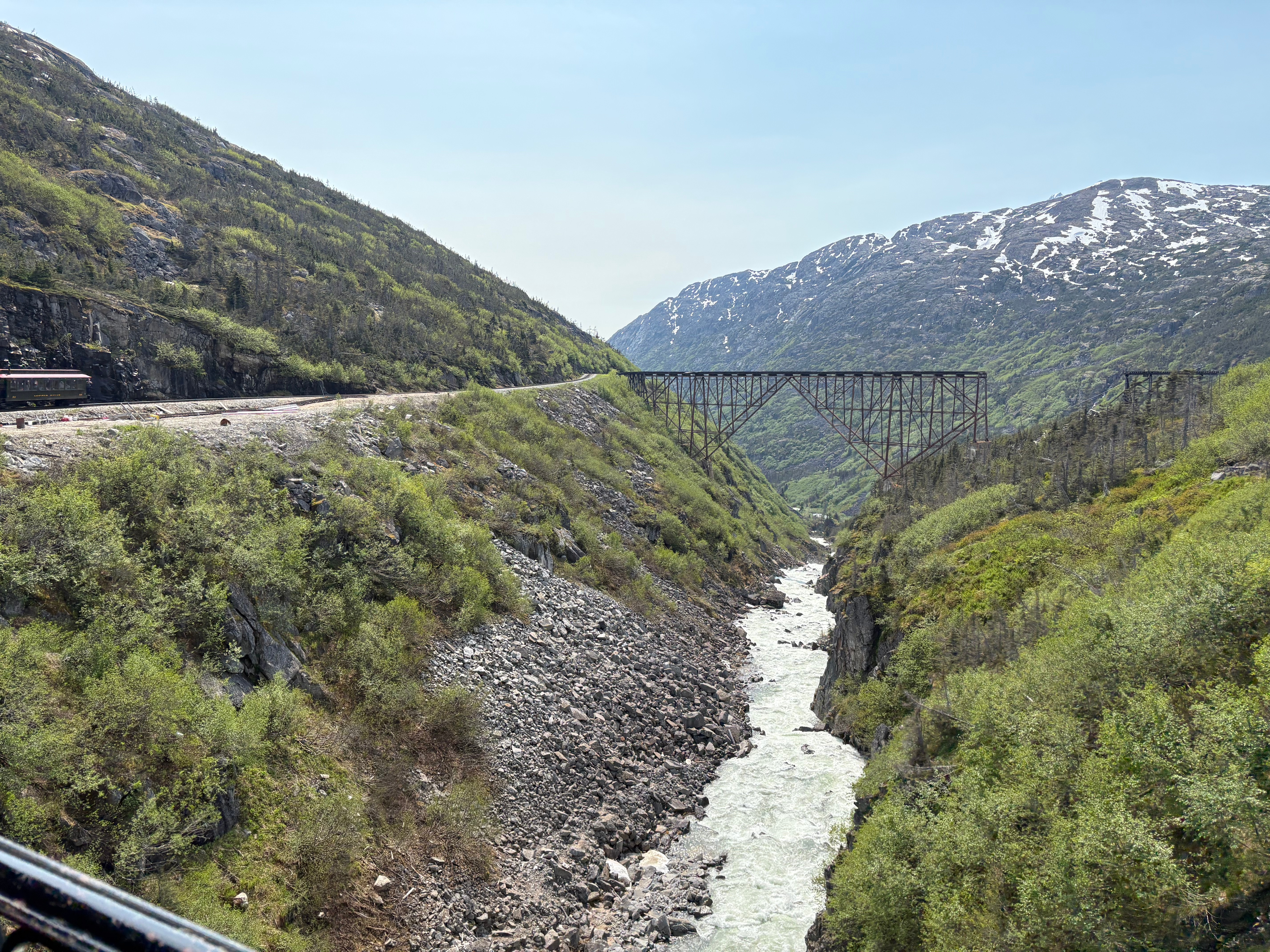
These towns, like the capital, Juneau, are surrounded by the Tongass and it hugs them tight in its green hold, buffering them against the savage mountains high above where winds scour the rock faces and glaciers freeze the flow of constant rain.
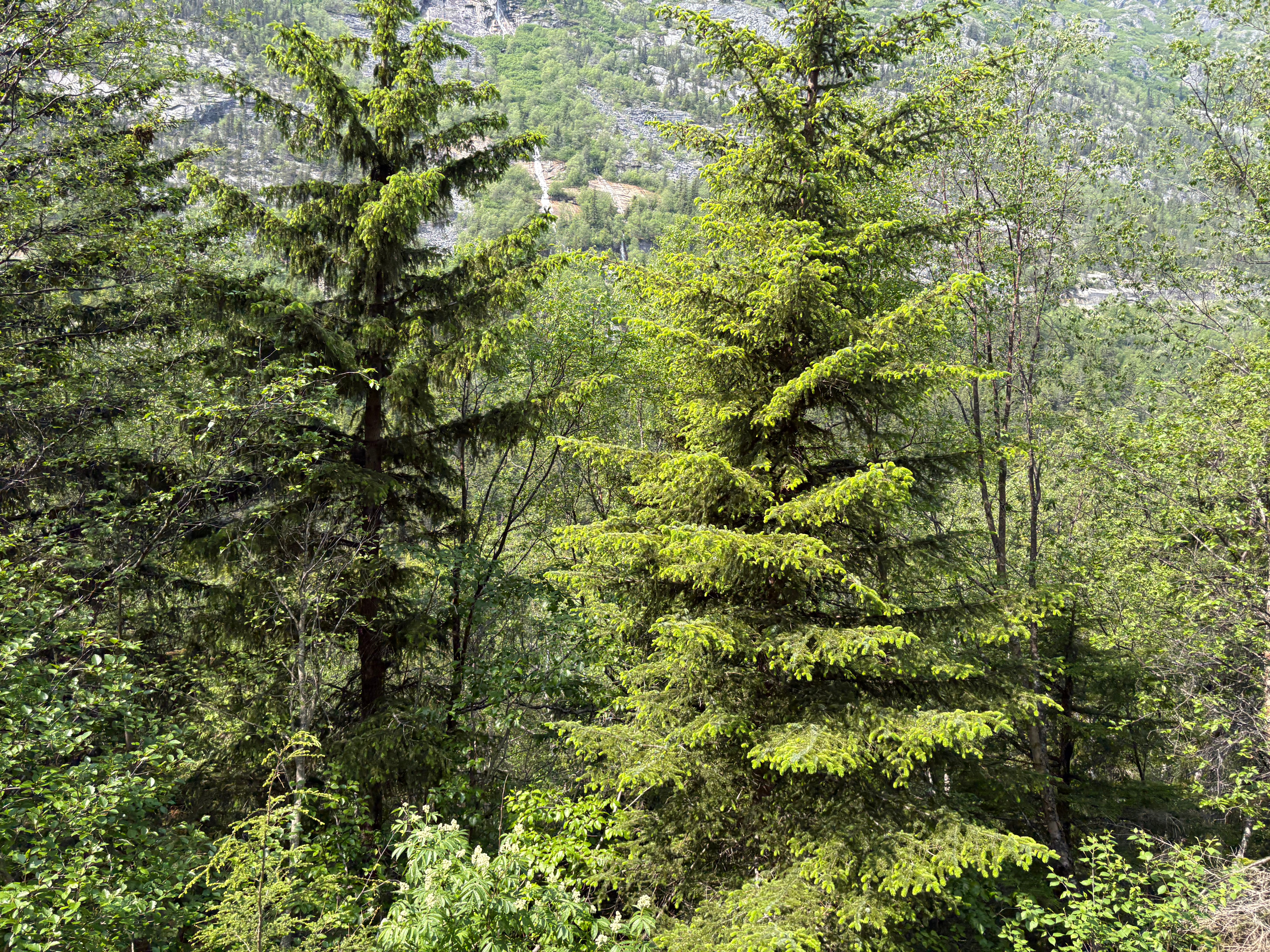
Skunk cabbage grows thick in the gullies and fruiting canes along the edges where there is more light; food for humans and bears. High on the slopes the Red and Yellow Cedar (Thuja plicata and Cupressus nootkaensis) give way to the Mountain Hemlock (Tsuga mertensiana) and the spruce (Picea sitchensis) rules them all. The meagre Lodgepole Pine (Pinus contorta) huddle together like poor relations, upright and defiant in their low state.

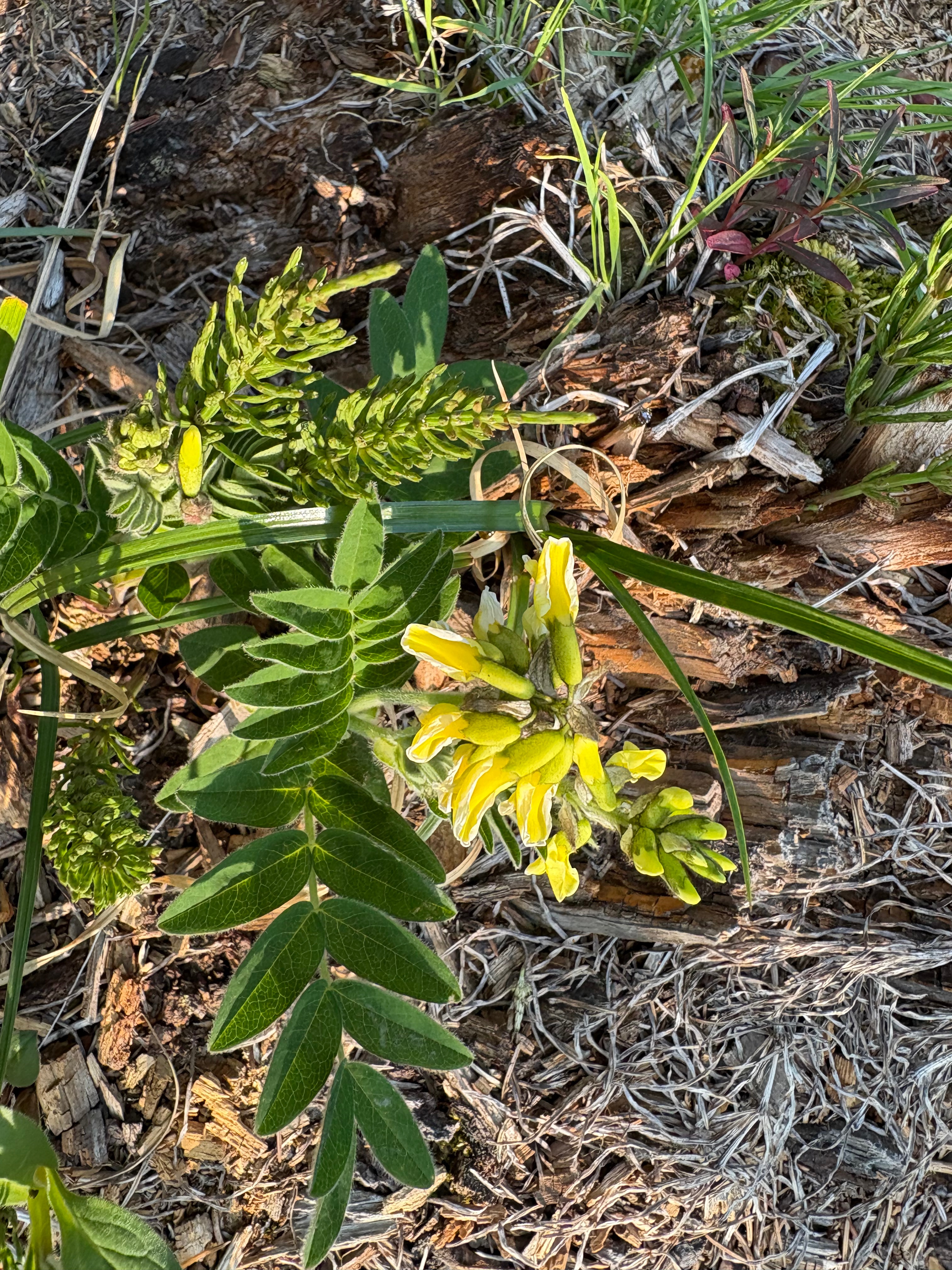
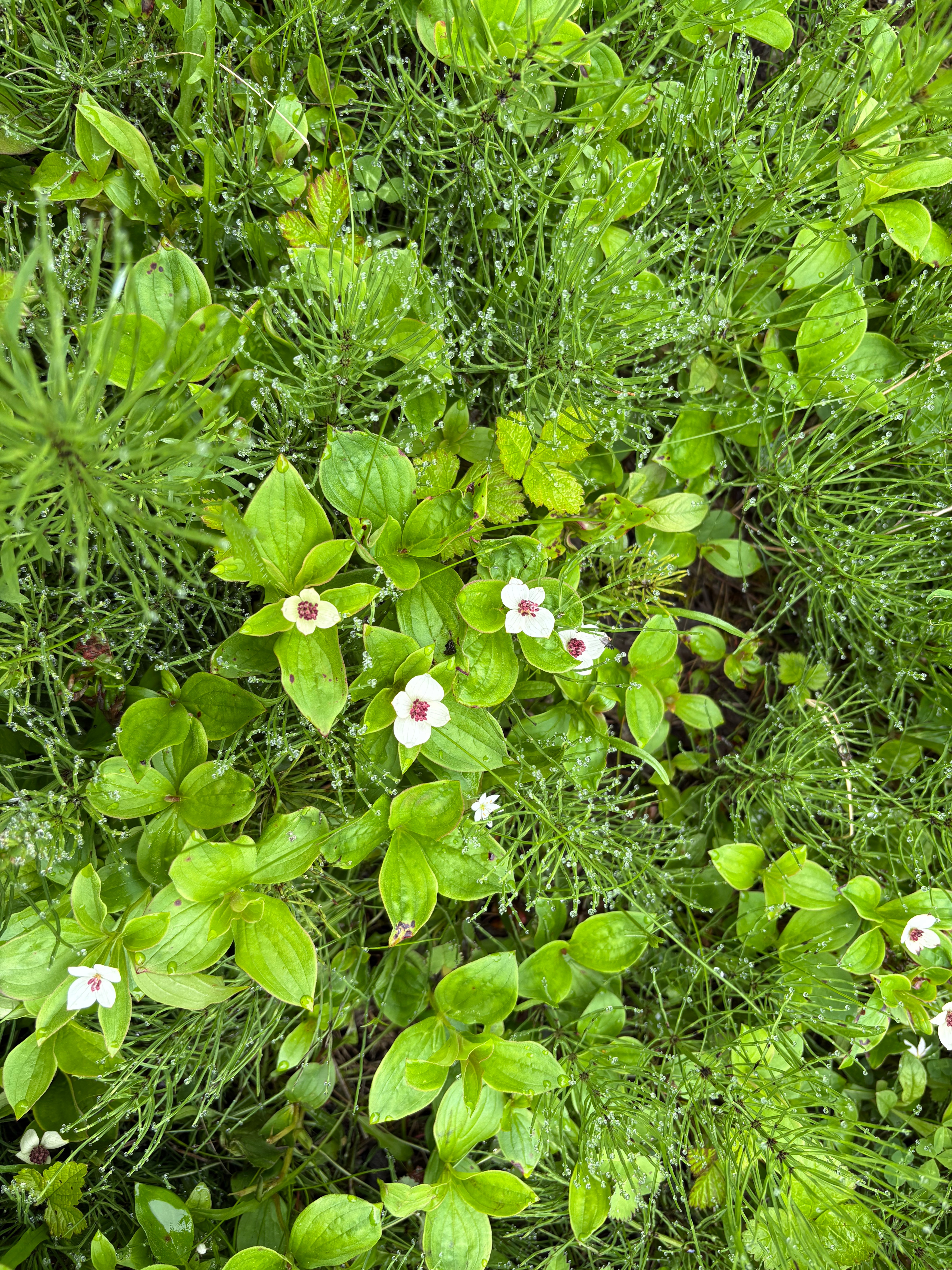
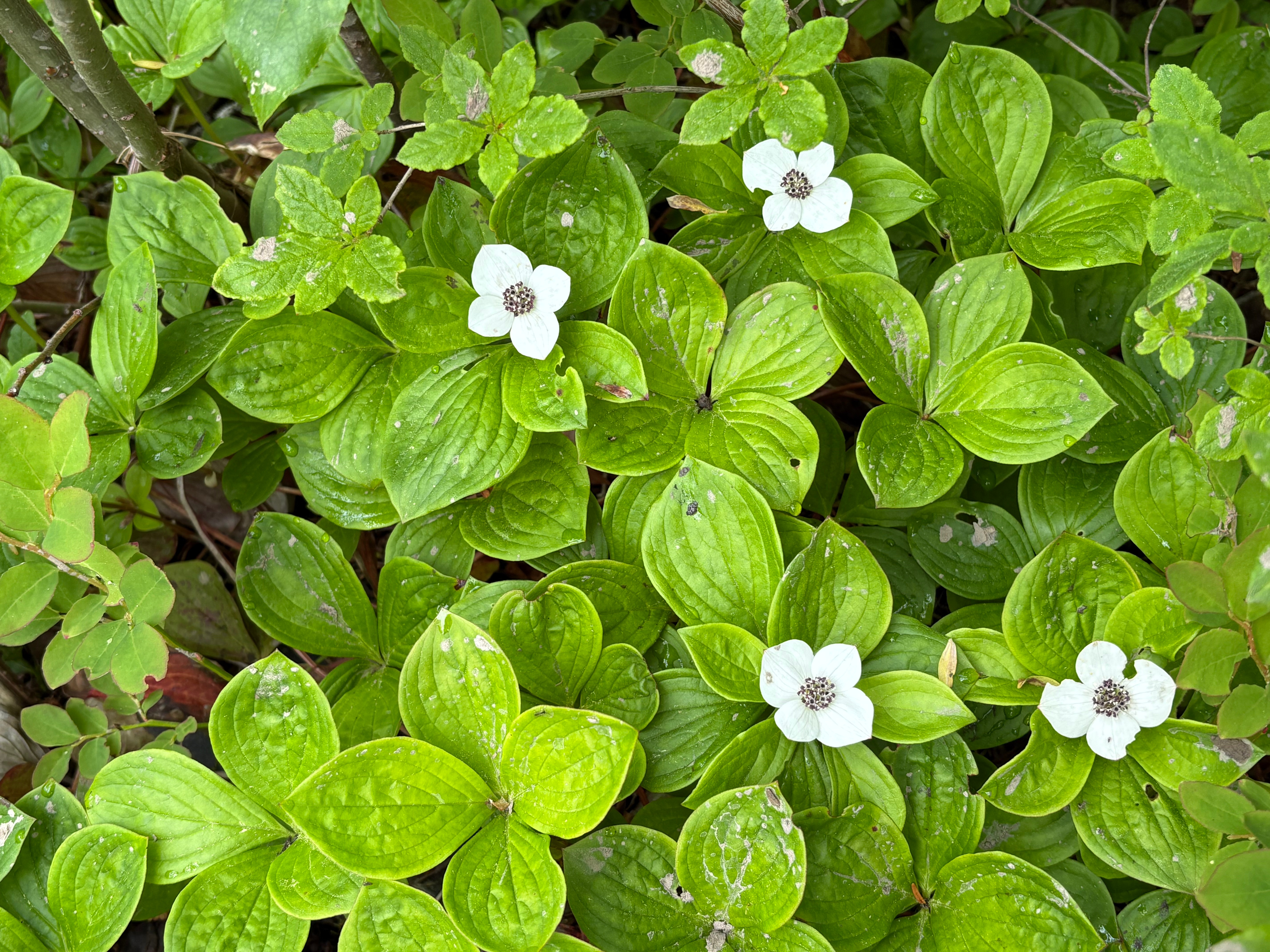
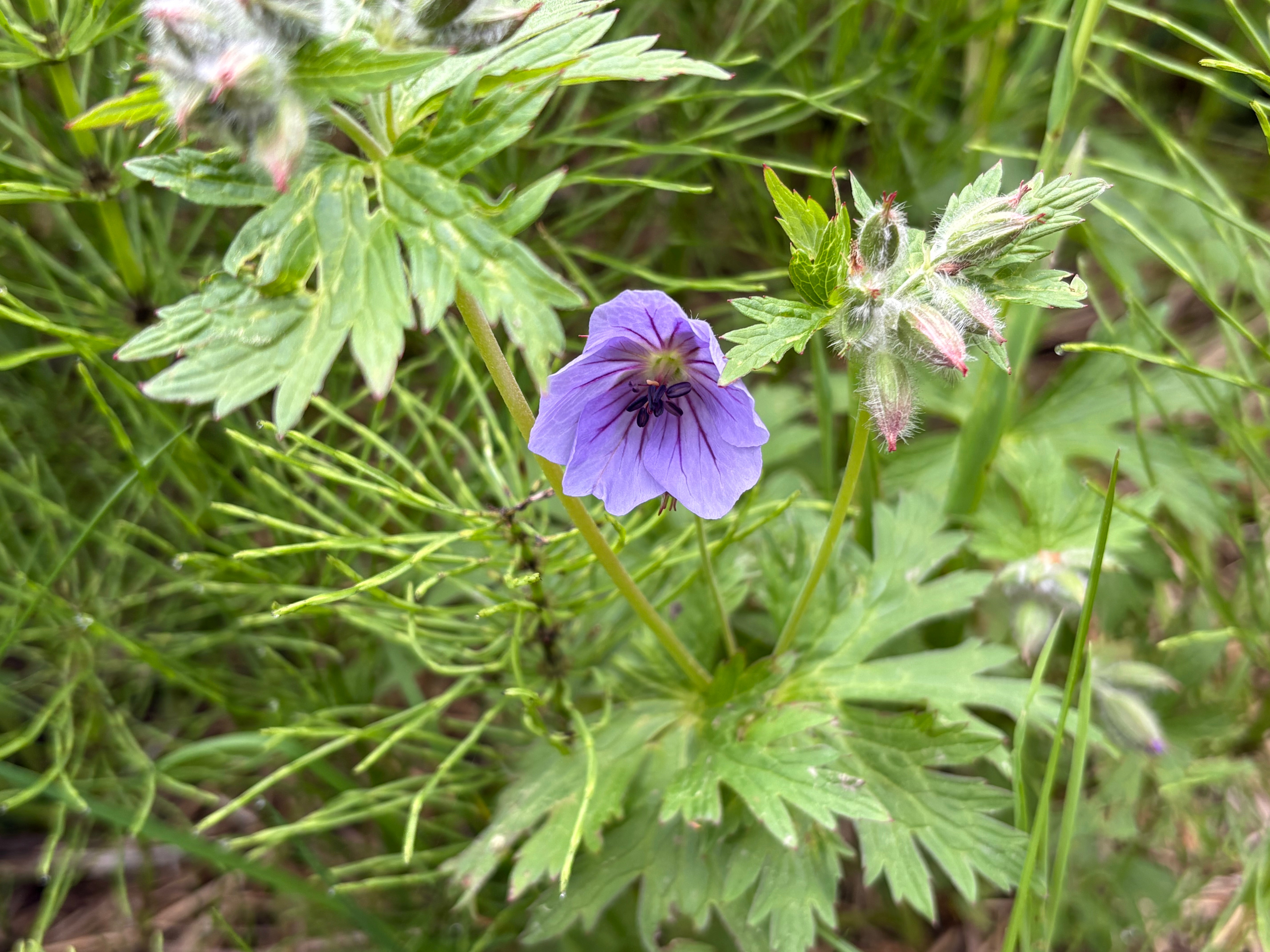
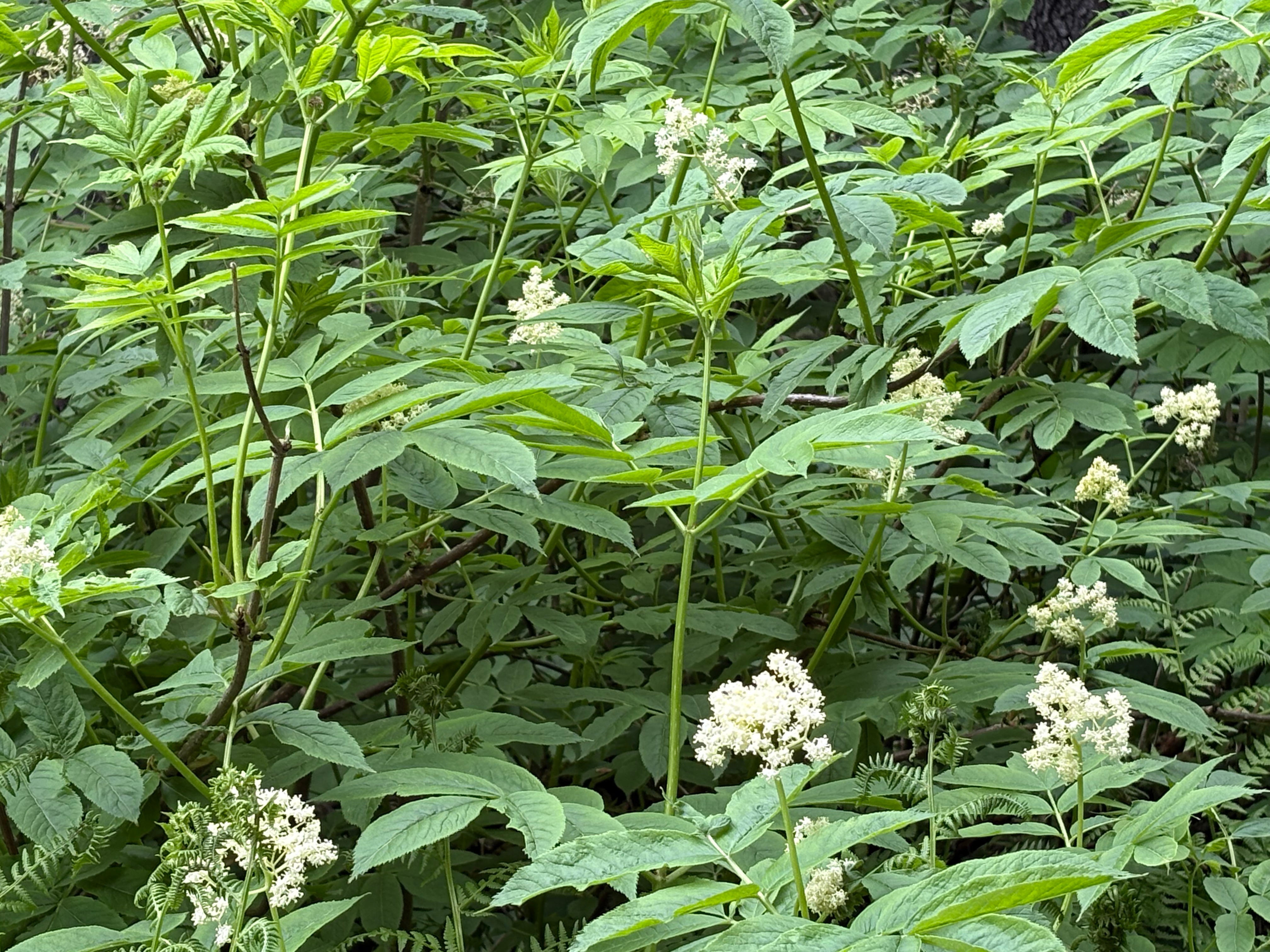
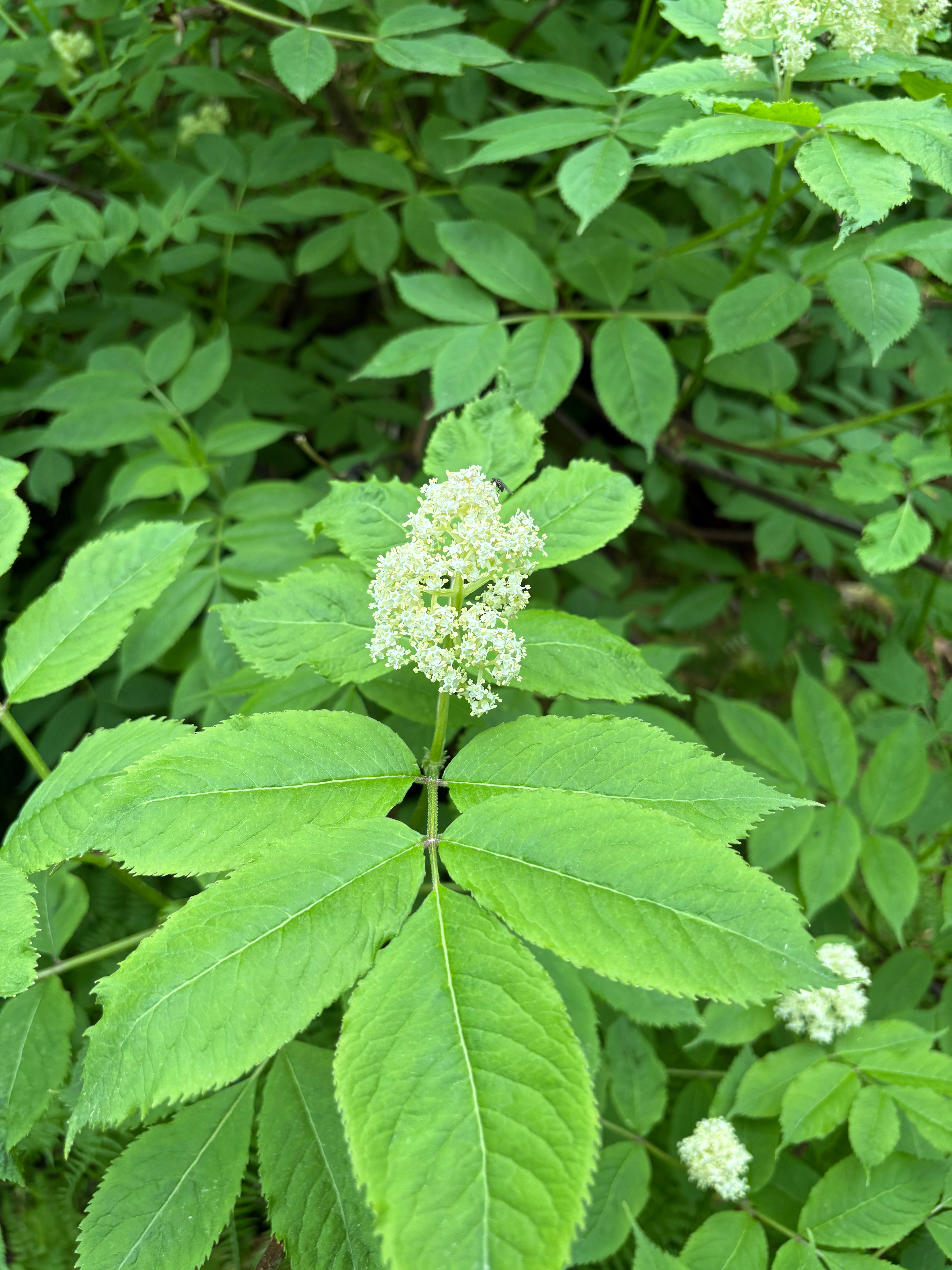
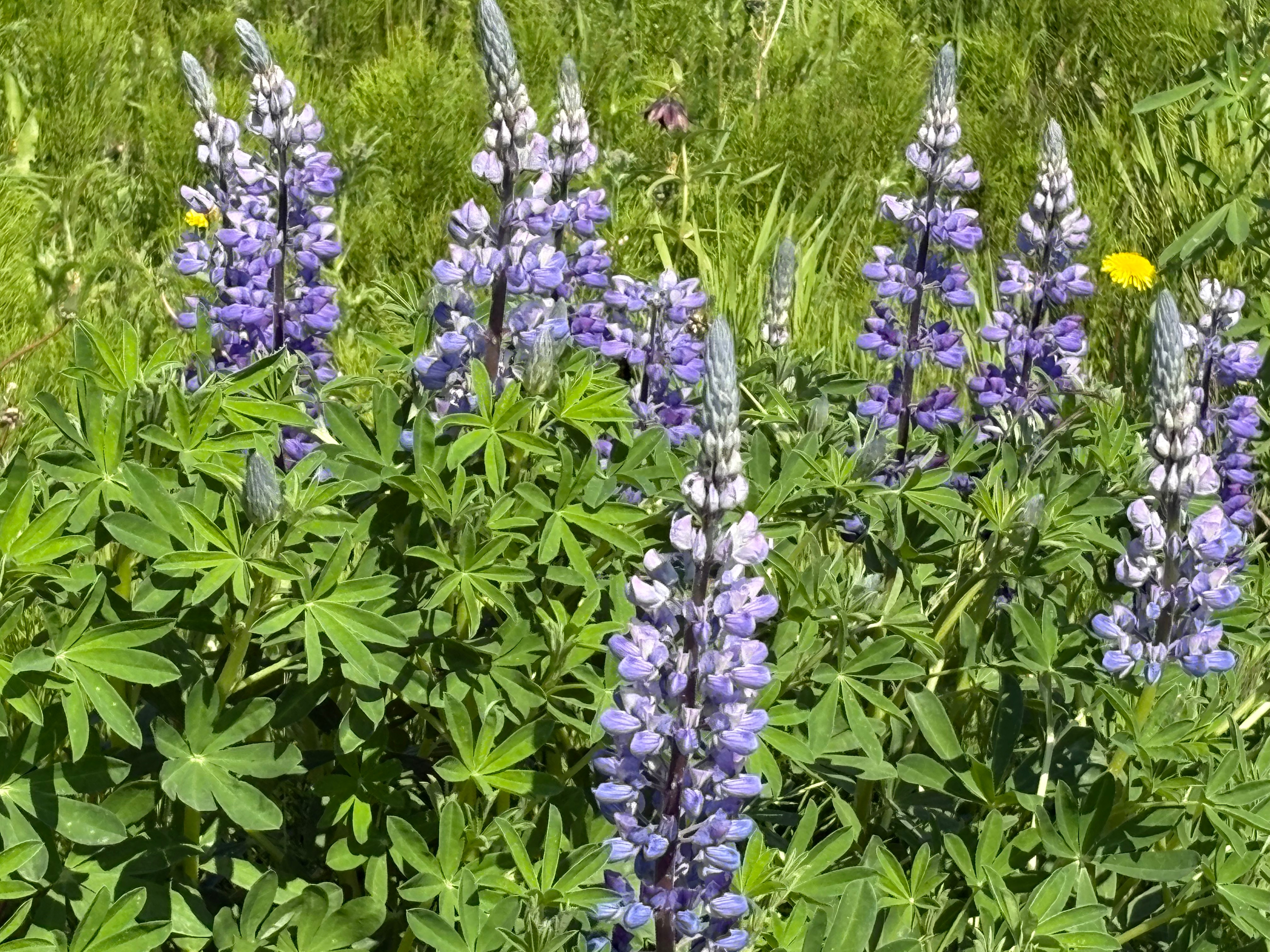
(Above: There are many well-marked hiking trails through the Tongass. And in summer, wild flowers and lush plants compete for sunlight along the forest verge, many of them with medicinal value known to the indigenous peoples.)
There are medicines here close to the ground, Arnica and Angelica as well as the many berries full of vitamin C. In summer the largest dandelions in the world grow here, matching the buttercups for brilliance, digestive gold for bears. Apart from these, most of the flowers of this cold, wet forest are delicate and pale.
The Tongass is not only the largest national forest in the United States but also the largest temperate rainforest in the world. It has much in common with all rainforests everywhere– constant moisture, emergent trees fighting for light, a dark understorey where fungi flourish among the moss and lichen. And yet it is distinctively different in many features, with its snow melt and dominance of trees bearing needled foliage, rather than broad-leaved species as found in warmer forests. Its humidity has a frigid bite and its waters are more lively. And it has secret places where many of its inhabitants must den for the long, dark winter.
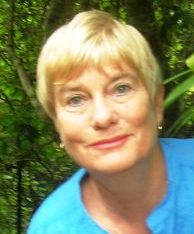
If you love rainforests, and you have never been to the mighty Tongass, go there before you are too old to be able to hike its steep trails and thus experience the inside mystery of it. I found myself conscious of my eighty years and knew that because of them I could only access the fringe and wished I had backpacked into there when young enough to go high and long.
But I was still fit enough to go in a little way and feel the dark weight of the forest around me and glimpse a few of its creatures and be happy in my brief time there. Other rainforest lovers will understand!
 Lyrebird Mountain