
A reader of Lyrebird Mountain wrote to me recently and asked about the strange, “waking dreams” experienced throughout her life by Anna, the book’s main protagonist.
Was she psychic? Was she epileptic? Did she suffer from some psychotic disorder such as dissociative states?
The truth is, I don’t really know!
The narrator of this book is Anna’s unnamed granddaughter who suffers from the same strange episodes and is never able to name them. Her evidence for her grandmother’s experience is mostly from family memories and diary entries and from these it seems that the wachtraum, as this German-descended family called it, was believed by her parents to be spiritual. Given, as they were, to a belief in Theosophy and the existence of a spirit world beyond this one. And so they took their daughter’s occasional fugue states in their stride. No big deal here. Let’s not make too much of it.
By her own admission, the child Anna, on coming out of her waking dream, sometimes embroidered the experience. What she could recall was muddled and vague and so she attempted to give it coherence. Thus distinguishing herself from the rest of her siblings. Not just one of the “middle” siblings but a child with special powers.
When she was older, Anna identified these experiences very strongly with her powerful connection to the rainforest. Here, she said, she found her true spiritual home. Her church, if you like. Among the great trees and in the misty gullies where the only sounds were the birds and the trickling – seasonally rushing – streams there was enduring mystery. More ancient things existed here just beyond perception, which was granted only to those humans who were spiritually and emotionally attuned.
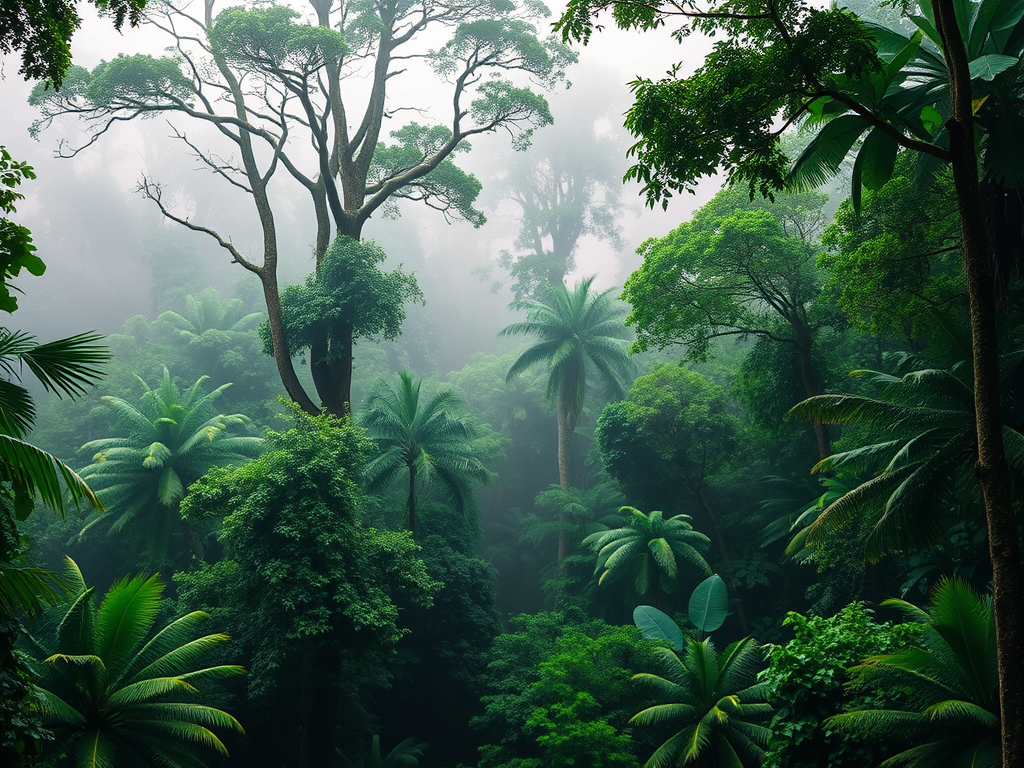
Here, too, Anna believed she encountered the spirits…or trace memories…of the indigenous people who had hunted on the mountain for millennia.
Airy -fairy stuff you might say, unless you, too, have an affinity for such beliefs. But I based Anna’s mystical experiences on those of a friend who sometimes found herself strangely “coming to” after unexplained periods of absent consciousness. She had no concrete memories of these episodes except vague ideas of voices and shadows and a general sense of otherworldliness. She was tentatively diagnosed with, and briefly treated for, epilepsy and when this did not stop the waking dreams she sought psychiatric help. Also with no useful result. And as the incidents caused her no harm, she learned to live with them, even to hope for them!
I do have to say, though, that she was the kind of person who did believe in some sort of alternative reality and afterlife and was very keen on angels, spirits and natural remedies!
Novels, to some extent, create themselves. The characters take over the author and develop lives of their own. Somehow this happened with Anna and it seemed to me right and natural that she should be infused with the mystery of the mountain rainforest, which we all feel to some extent, and that this in turn should inspire and inform her work as a writer and illustrator. The work that makes her famous because its characters and setting, unique to her particular genius, enthral generations of readers.
I wanted my book to have this small spiritual dimension because that is the way in which I myself feel about the place I live – a mountain whose rainforests still retain, in the face of increased urbanisation, a mysterious power that thrills me every time I enter those green portals to that other world of rock and water, trunk and buttress, moss and fern, frond and thorn.
I believe that everyone needs the forest – any forest – to keep us connected to our wildside. Why? Because civilisation is a marvel of cultural interconnectedness and its embodiment is the modern city – the buildings, the road and rail networks, the invisible map of air routes above, the sewers below, the art, the music, the cultivated gardens, the monuments to human endeavour. And in all of that amazing human creation it is all too easy to forget that underpinning it is an even more amazing interconnection of natural processes, beautifully evolved over aeons.
Vital to life on earth.
In her only significant journey away from the mountain Anna travels to one of the most famous and beautiful cities on earth – Vienna. Yet she does not record her reactions to this triumph of architectural and cultural achievement. No doubt the buildings impressed her, even in her terrible grief and urgent seeking. And she does note the loveliness of the countryside, even in the aftermath of war.
But Anna knows that we are, deep in our blood, not so far from our wild nature that long pre-existed recorded history – and she feels the tug of her mountain home. Her story, like all our stories if we live long enough, is one of increasing loss. Only the natural world endures.
 Lyrebird Mountain